

English | Svenska | Suomi | All Western Europe travel guides ↗
Austria Travel Guide: Best Things to Do, Vienna, Salzburg, the Alps & Practical Tips – by Lassi Pensikkala. Austria offers far more than Vienna. From the imperial capital and the Alpine landscapes of Tirol and Salzburg to the lakes of Salzkammergut and the vineyards of the Wachau Valley, the country combines culture, history, outdoor experiences and distinctive regional traditions throughout the year.
Drawing on more than three decades of international destination management experience, this guide brings together practical planning tools, carefully selected recommendations and insider perspective in one place. You can prepare with confidence, make informed decisions and get more from every day of your journey through Austria.
Explore Austria’s unforgettable experiences:
• Discover Austria’s cities, Alpine landscapes and cultural experiences ↗
• Explore Vienna through guided tours, imperial landmarks and cultural experiences ↗
• Experience Salzburg, its baroque old town, Mozart heritage and surrounding mountain scenery ↗
Map of Vienna Austria 🇦🇹 with Travel & Destination Photos
Current weather in Vienna Austria 🇦🇹
Best Time to Visit Austria
Austria works as a year-round destination, but the right season depends on what you’re after. Summer (June–August) brings warm days in Vienna and Salzburg, festival season, and full access to Alpine hiking trails — book hotels and popular tours well ahead, since this is peak demand across the country. Winter (December–March) turns the Alps into one of Europe’s best ski regions, especially December through February for reliable snow; Vienna also gets a festive lift from its Christmas markets. Shoulder seasons — May and September — offer a genuine sweet spot: fewer crowds, milder temperatures, and lower hotel rates, particularly in Vienna and Salzburg. If skiing isn’t the priority, I’d steer toward late spring or early autumn. Whichever season you choose, Austria’s most popular hotels and tours sell out during peak weeks, so reserving the key pieces of your trip in advance is worth doing regardless of when you travel.
How Many Days Do You Need?
This depends on whether you want one city or a fuller picture of the country. Three to four days covers Vienna properly — the Hofburg, Schönbrunn, the Ring, and enough time for coffeehouses and museums without rushing. Add Salzburg and you’re looking at six to seven days, since the two cities sit roughly three hours apart by train. For a first trip that combines culture and the Alps, ten days is a realistic minimum: Vienna, Salzburg, and a base in Tirol or Salzburgerland for hiking or skiing. Shorter trips work best focused on one region rather than trying to cover the whole country. One thing I’ve learned: travelers who try to fit Vienna, Salzburg, and the Alps into under a week usually end up seeing very little of any of them. Whatever length you settle on, it’s worth locking in your main hotels and the tours you don’t want to miss before you arrive, and leaving the rest open.
Local Food & Drinks
Austrian food is heartier and more regional than most visitors expect. Wiener Schnitzel, ideally veal, is the dish to try in Vienna, ordered with a simple potato salad rather than fries. Save room for Sachertorte, the dense chocolate cake with apricot jam that originated at Vienna’s Hotel Sacher, and for Apfelstrudel, best fresh and warm. Coffeehouse culture is worth building into your schedule rather than treating as an afterthought — a Melange or Einspänner in a traditional Kaffeehaus is as much a Viennese experience as any museum. Outside the capital, regional cooking shifts noticeably: Tirol and Salzburgerland lean into Alpine dishes like Kasspatzln and Tiroler Gröstl, while the wine regions along the Danube, particularly the Wachau Valley, produce some of Austria’s best Grüner Veltliner. If wine is part of your trip, a short vineyard visit near Krems or Melk is worth the detour. This is one of the practical details many visitors overlook when planning around cities alone.
Practical Travel Tips
Austria’s train network makes city-to-city travel straightforward, and the ÖBB rail pass options are worth checking if you’re covering more than one region. In the Alps, a car gives more flexibility for reaching smaller villages, though most major ski and hiking bases have good bus connections from the nearest train station. My approach to trips like this is to plan and secure about 60% in advance — the key hotels and the must-do tours or activities — so the trip has a solid backbone, and leave the remaining 40% open for whatever you find once you’re there, whether that’s a smaller village, an unplanned hike, or a coffeehouse you wander into. It keeps the trip secure without over-scheduling it. Cash still matters in smaller towns and mountain villages, so don’t rely entirely on cards outside Vienna and Salzburg.
These are the TOP 10 attractions in Austria 🇦🇹:
10. Book tours & tickets for
Mirabell Palace and Gardens (Schloss Mirabell und Mirabellgarten) →
As the 10th attraction, Mirabell Palace welcomes visitors with historic charm that captures the essence of its rich past. The meticulously landscaped gardens, adorned with splendid sculptures and graceful fountains, transport guests to a bygone era, inviting them to stroll along the winding paths that reveal breathtaking views at every turn. This enchanting setting not only serves as a backdrop for leisurely walks but also as a venue for weddings and concerts, allowing guests to immerse themselves in its beauty. With every corner showcasing vibrant flowers and intricate designs, the gardens evoke a sense of tranquility and wonder, making it a perfect escape for those seeking a moment of peace in a bustling world.
Mirabell Palace and Gardens (Schloss Mirabell und Mirabellgarten) →
9. St. Stephen’s Cathedral (Stephansdom)
→
Moving on to the 9th spot, the iconic St. Stephen’s Cathedral in Vienna stands tall with its stunning Gothic architecture, characterized by its intricate details and majestic spires that reach for the sky. As the mother church of the Archdiocese of Vienna, it symbolizes the rich history and grandeur of the Austrian capital, serving not only as a spiritual center but also as a cultural landmark that attracts millions of visitors each year. Its impressive stained glass windows and the distinctive tiled roof add to the cathedral’s breathtaking beauty, while the surrounding square bustles with life, showcasing Vienna’s vibrant atmosphere and history that captivates all who visit.
St. Stephen’s Cathedral (Stephansdom) →
8. Hofburg Imperial Palace (Hofburg Wien) →
The 8th attraction, the Hofburg Imperial Palace, beckons explorers to delve into Austria’s imperial past, offering a glimpse into a world where grandeur reigned supreme. Opulent halls and regal chambers narrate tales of power and prestige, each corner steeped in history and adorned with exquisite artworks that reflect the artistry of a bygone era. Visitors can marvel at the intricate architecture that seamlessly blends Gothic, Renaissance, and Baroque styles, creating a stunning visual experience. As you wander through the lavish rooms, from the Sisi Museum showcasing the life of Empress Elisabeth to the Silver Collection exhibiting royal dining sets, you’ll uncover the fascinating stories of the Habsburg dynasty, making your journey through the palace not just a visual delight but a voyage through time, rich in culture and heritage.
Hofburg Imperial Palace (Hofburg Wien) →
7. Styrian Armory (Landeszeughaus)→
Occupying the 7th place, the Styrian Armory offers a unique journey through military history that captivates visitors of all ages. As one of the world’s largest historical armories, it unveils the weaponry and armor of a bygone era, showcasing an impressive collection that dates back centuries. From intricately crafted swords and shields to majestic suits of armor, each exhibit tells the story of the valiant soldiers who once wielded these formidable tools of war. The Armory not only highlights the evolution of military technology but also provides insightful exhibits that delve into the cultural and social impacts of warfare throughout history. Interactive displays and guided tours further enhance the experience, allowing guests to connect with the past in a meaningful way.
Styrian Armory (Landeszeughaus)→
6. Forchtenstein Castle →
At the 6th position, Forchtenstein Castle crowns a hilltop with its medieval charm, standing as a testament to the rich history of the region. The fortress, with panoramic views of the surrounding landscapes stretching far into the horizon, invites visitors to traverse its storied halls, where echoes of the past mingle with the present. As you wander through its intricately decorated rooms and sturdy battlements, you can almost imagine the nobility who once resided here, engaged in lively banquets and strategic discussions. The castle not only serves as a beautiful architectural marvel but also as a gateway to understanding the cultural heritage that has shaped the area over centuries. The breathtaking scenery, combined with the intriguing history, makes a visit to Forchtenstein Castle an unforgettable experience for all who explore its grounds.
Travel insurance in minutes

We recommend this because we use it ourselves when traveling. 👉 Get your quote now — fast, secure, and trusted for every trip.
5. Eagle’s Nest (Kehlsteinhaus)→
The 5th spot brings us to the Eagle’s Nest, perched majestically on a mountain peak, surrounded by the rugged beauty of towering cliffs and lush forests. This historical site not only offers breathtaking vistas that extend as far as the eye can see, with valleys sprawling below and distant mountains framing the horizon, but also provides a poignant glimpse into the past, inviting visitors to reflect on its complex history. As you stand at this vantage point, the crisp mountain air fills your lungs, and the serene ambiance reminds us of nature’s grandeur, while the stone structure itself echoes stories of the significant events that unfolded within its walls.
4. Golden Roof (Goldenes Dachl)→
Moving to the 4th attraction, the Golden Roof in Innsbruck mesmerizes with its shimmering gold tiles that glisten beautifully in the sunlight. A symbol of the city’s rich history, it stands as a testament to Innsbruck’s cultural heritage while attracting visitors from around the world. This iconic structure was built in the early 16th century for Emperor Maximilian I, where he could watch festivals and events from his royal balcony. Surrounded by the stunning backdrop of the Alps, the Golden Roof not only represents the artistic achievements of its time but also serves as a popular gathering point, inspiring countless stories and photographs that capture the essence of this enchanting city.
3. Bergisel Ski Jump→
The 3rd place introduces the Bergisel Ski Jump, where adventure meets panoramic views. Standing atop this iconic structure, visitors feel the thrill and witness the stunning landscapes of Innsbruck and the Alps. The ski jump not only showcases incredible architectural design but also offers a unique vantage point for breathtaking vistas that extend far into the distance. As guests take in the fresh alpine air, they can observe skilled athletes practicing their jumps below, a testament to the rich sporting culture of the region. Year-round, the site attracts tourists eager to learn about its history, enjoy local cuisine in the nearby restaurants, and partake in various winter sports activities, making it a must-visit destination for outdoor enthusiasts and casual visitors alike.
2. Kunsthaus Graz Art Museum (Kunsthaus Graz)→
Claiming the 2nd spot, Kunsthaus Graz showcases the city’s modern cultural scene, offering a unique glimpse into the interplay between contemporary art and architecture. The striking architecture, with its organic shapes and innovative design, serves as an eye-catching backdrop for the diverse range of exhibitions and installations that rotate throughout the year. Inside, visitors can immerse themselves in thought-provoking contemporary art, featuring both local and international artists, which challenges perceptions and invites dialogue. With its dynamic programming and engaging events, Kunsthaus Graz has become a must-visit destination for art enthusiasts, drawing in curious minds eager to explore the cutting-edge of artistic expression in a vibrant urban setting.
Kunsthaus Graz Art Museum (Kunsthaus Graz)→
1. Schönbrunn Palace (Schloss Schönbrunn)→
Finally, the top spot is reserved for the imperial grandeur of Schönbrunn Palace, a stunning architectural masterpiece that has stood the test of time. A UNESCO World Heritage site, its opulent rooms, adorned with lavish decorations and intricate artworks, invite visitors to step back into a world of royal splendor. The expansive gardens, meticulously designed and bursting with vibrant flora, offer a serene escape from the hustle and bustle of the city, providing a picturesque backdrop for leisurely strolls. As you wander through the expansive grounds, the essence of Austrian history and culture becomes increasingly palpable, intertwining tales of the Habsburg dynasty with the beauty of nature, making Schönbrunn Palace an unforgettable experience for all who visit.
Schönbrunn Palace (Schloss Schönbrunn) →
Plan your trip
Tours & activities
Discover top-rated travel experiences worldwide.
Flights & hotels
Compare places to stay and plan your journey.
RecommendedTravel insurance
Prepare for unexpected situations during your trip.
Travel safety
Safety guidance, emergency numbers and useful contacts.

200+ Travel Destination Guides
Explore curated destination guides for the USA, Europe, Latin America and Scandinavia.
Recognized within Google’s AI-powered travel search results.
A growing travel-guide network covering the USA, Europe, Latin America and Scandinavia.
International insights for business travellers, entrepreneurs and decision-makers.
Download the ebooks →Disclosure: As an affiliate, I earn from qualifying purchases made through links on this page at no extra cost to you.
Austria Travel Guide – Check it out these and more tours in Austria 🇦🇹 Book tours & tickets
Discover More Things To Do In Vienna Austria 🇦🇹! Book tours & tickets
Austria 🇦🇹 Things To Do Travel – Tours, Tickets & Activities – Things To Do In Vienna, Salzburg, Innsbruck, Graz, Linz, Klagenfurt, Saint Pölten, Bregenz, Eisenstadt, Villach, Hallstatt, Wiener Neustadt, Mils, Steyr, Krems an der Donau, Feldkirch, Kitzbühel, Dornbirn, Kufstein, Leoben, Zell am See, Wels, Mariazell, Baden bei Wien, Lienz, Bad Ischl, Gmunden, Hall in Tirol, Mödling, Braunau am Inn, Bludenz, Badgastein, Schwechat, Kaprun, Amstetten, Waidhofen an der Ybbs, Hallein, Bad Aussee, Vöcklabruck, Stockerau, Traun, Freistadt, Kapfenberg, Spittal an der Drau, Dürnstein, Saalfelden, Fieberbrunn, and more beautiful destinations in Austria.
Hotels in Austria 🇦🇹 – Compare hotel prices
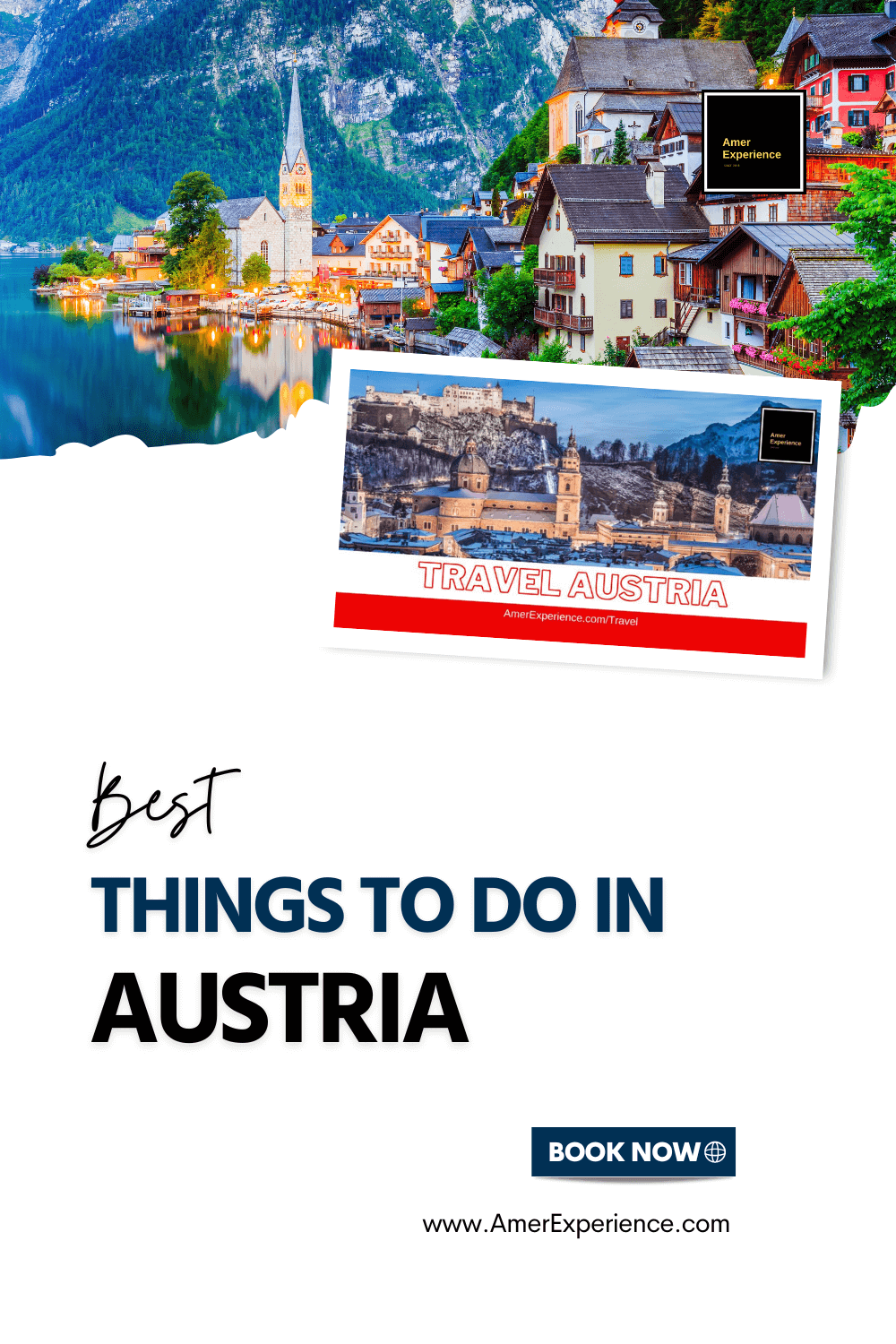
Austria, nestled in the heart of Europe, is a country that boasts a rich tapestry of history, culture, and natural beauty. From its imperial past to its modern achievements, Austria stands as a testament to the harmonious blend of tradition and innovation. Let’s embark on a journey to explore the myriad facets that make Austria a captivating and enchanting destination.
Geography and landscape
Austria, officially known as the Republic of Austria, is a landlocked country bordered by eight nations: Germany, Czech Republic, Slovakia, Hungary, Slovenia, Italy, Switzerland, and Liechtenstein. Its diverse topography features the Eastern Alps, making up about 60% of the country’s total area. The Danube River, one of Europe’s major waterways, flows through Austria, shaping its landscapes and providing scenic beauty.

Disclosure: As an affiliate, I may earn from qualifying purchases made through links on this page at no additional cost to you.
Capital and major cities
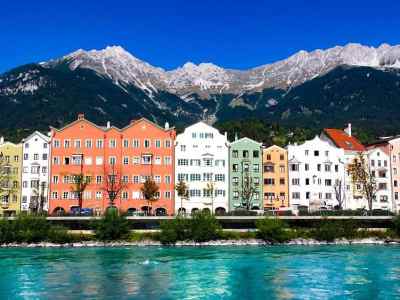
Vienna, the capital city, is a cultural and historical hub that reflects Austria’s imperial past and offers a unique blend of old-world charm and modern vibrancy. Known for its grand palaces, such as the opulent Schönbrunn and the impressive Hofburg, Vienna boasts a classical music heritage that has produced legendary composers like Mozart, Beethoven, and Strauss. The city’s vibrant arts scene, highlighted by world-class museums and galleries, captivates locals and visitors alike, enhancing its reputation as a creative center in Europe. Famous for its traditional coffee houses, elegant ballrooms, and annual cultural festivals, Vienna is a magnet for tourists seeking to experience its rich history and contemporary culture. Other major cities include Salzburg, the picturesque birthplace of Mozart, famous for its baroque architecture and breathtaking landscapes, and the enchanting setting for the beloved musical “The Sound of Music.” Additionally, Innsbruck, nestled in the heart of the Alps, is renowned for its winter sports, offering unparalleled skiing and snowboarding opportunities, as well as stunning mountain views that attract adventure enthusiasts year-round.
Language and culture
The official language is German, and the Austrian dialect is distinctive, contributing significantly to the country’s rich linguistic diversity. Austria’s culture is deeply rooted in its historical influences, blending elements from the Habsburg Empire, classical music, and the majestic Alps, which have long inspired artists and composers alike. This unique confluence of heritage is evident in various aspects of daily life, from traditional festivals to culinary delights that celebrate regional flavors. The Viennese waltz, with its graceful movements, classical concerts held in opulent venues, and the renowned Vienna Opera Ball are integral parts of Austria’s cultural identity, showcasing not only the country’s artistic prowess but also its deep appreciation for the performing arts. Such events highlight the commitment of Austrians to preserve their rich cultural traditions while also embracing contemporary innovations, making Austria a vibrant hub for both history enthusiasts and modern culture seekers.
History and heritage
Austria’s history is marked by its pivotal role in the Habsburg Monarchy, one of Europe’s most influential dynasties, which lasted for over six centuries and shaped much of Central Europe’s political landscape. Over the centuries, Austria played a central role in shaping European politics, with Vienna serving as the imperial capital and a cultural hub of the arts and sciences. The country witnessed significant historical events, including battles against the Ottoman Empire that tested its military prowess and the Congress of Vienna in 1814-15, which redefined the political map of Europe after the Napoleonic Wars, leading to a balance of power that maintained relative peace for decades. Furthermore, the Habsburg legacy left an indelible mark on architecture, law, and education, influencing not only Austria but also neighboring nations as they navigated the profound changes of the 19th and 20th centuries.
Imperial palaces and architectural marvels
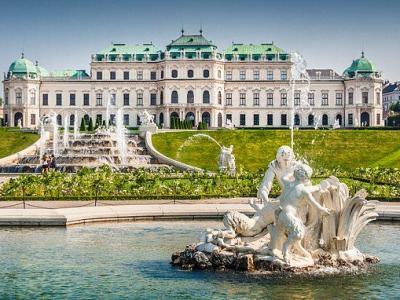
Austria’s architectural landscape is adorned with imperial palaces, grandeur that reflects its historical prominence and the cultural richness of the region. Schönbrunn Palace, a UNESCO World Heritage site, stands as a symbol of Habsburg opulence, showcasing stunning baroque architecture and beautifully landscaped gardens that draw visitors from around the globe. The Hofburg Imperial Palace in Vienna, which served as the residence of the Habsburgs for centuries, is now a vast complex of museums and official buildings, where history comes alive through its many exhibitions and the impressive collection of imperial artifacts. Belvedere Palace, another architectural gem, not only captivates with its artistic design but also houses an extensive collection of Austrian art, including masterpieces by Gustav Klimt and Egon Schiele, making it a pivotal cultural destination. Each of these landmarks tells a part of Austria’s rich history, intertwining the past with the present and inviting exploration of its majestic heritage.
Classical music heritage
Austria holds an unrivaled position in the world of classical music, serving as a beacon for enthusiasts and musicians alike. Vienna, often referred to as the “City of Music,” has a rich and vibrant history, being home to legendary musical maestros such as Mozart, Beethoven, Haydn, and Strauss, whose timeless compositions continue to resonate with audiences today. The Vienna Philharmonic Orchestra and the Vienna State Opera not only showcase exceptional talent but also play a pivotal role in preserving and promoting the city’s rich musical legacy through a diverse array of performances throughout the year. The annual Vienna New Year’s Concert, broadcast globally to millions, is a testament to Austria’s enduring influence on classical music, drawing attention not just to its rich cultural heritage but also fostering a deep appreciation for the art form worldwide. This illustrious tradition underscores Vienna’s status as a cultural capital, where every note and rhythm tells a story steeped in history and innovation.
Culinary delights
Austrian cuisine is a delightful fusion of flavors influenced by its neighboring countries, which adds to its rich culinary tapestry. Traditional dishes include Wiener Schnitzel, a beloved staple made from breaded and fried veal or pork, which is often served with a slice of lemon and potato salad, creating a savory and satisfying experience. Another iconic dish is Apfelstrudel, a sweet apple strudel that features thin layers of pastry filled with spiced apples and often accompanied by vanilla sauce or whipped cream. Sachertorte, a decadent chocolate cake with a layer of apricot jam, is cherished not only for its taste but also for its historical significance, originating from Vienna’s Hotel Sacher. Furthermore, coffee culture is deeply ingrained in Austrian society, with Viennese coffeehouses serving as intellectual and social hubs; these establishments are adorned with elegant interiors, providing the perfect ambiance for leisurely conversations, reading, or simply enjoying a finely brewed cup of coffee, alongside tasty pastries and desserts that reflect the nation’s culinary artistry.
The Wachau Valley is one of Austria’s most rewarding wine destinations, with terraced vineyards, historic villages and Danube landscapes between Melk and Krems. Explore tours and experiences in the Wachau Valley ↗, and discover why Wachau also features in our guide to nine lesser-known wine regions you should visit around the world ↗.
Winter sports and alpine adventures
Austria’s Alpine regions offer a breathtaking playground for winter sports enthusiasts, making them one of the premier destinations in Europe for adventure seekers. Renowned ski resorts such as Kitzbühel and St. Anton attract skiers and snowboarders from around the world, providing diverse slopes suitable for all skill levels, from beginners to seasoned professionals. The Austrian Alps, with their majestic peaks and crystal-clear skies, also provide a stunning backdrop for not only winter sports but also year-round activities, including hiking, mountaineering, and exploring picturesque alpine villages that brim with charm and hospitality. Visitors are often enchanted by the warm, inviting atmosphere of these villages, where traditional Austrian cuisine and local culture come together to create an unforgettable experience amidst the natural beauty of the mountains. Whether you are carving through powdery snow or sipping hot chocolate by the fireplace, the allure of the Austrian Alps is simply irresistible.
Environmental stewardship
Austria places a strong emphasis on environmental sustainability, striving to be a leader in green practices across Europe. The country is known for its commitment to renewable energy sources, such as hydroelectric power, wind, and solar energy, which contribute significantly to reducing carbon emissions. Its efficient public transportation system, including trains, trams, and buses, not only facilitates seamless travel for residents but also minimizes reliance on individual car use, thus lowering traffic congestion and air pollution. Additionally, Austria actively engages in extensive efforts to preserve its natural habitats, ensuring that diverse ecosystems are protected for future generations. The Austrian Alps, with their pristine landscapes and breathtaking views, are a source of national pride, attracting tourists and nature enthusiasts alike, while also serving as a focal point for various conservation initiatives aimed at protecting wildlife and maintaining biodiversity in these vital mountain regions.
Education and innovation
Austria has a robust education system, with a strong emphasis on research and innovation, which plays a crucial role in shaping the future workforce and driving economic growth. The country is home to several prestigious universities and research institutions, such as the University of Vienna and the Austrian Academy of Sciences, contributing to advancements in various fields, including technology, medicine, and the arts. These institutions foster a culture of collaboration and interdisciplinary study, allowing students and researchers to engage in groundbreaking projects that address both national and global challenges. Vienna, in particular, has been recognized as a global city for innovation, attracting international talent and fostering a vibrant startup ecosystem that supports creative solutions and entrepreneurial endeavors. As a result, Austria stands out not only for its quality of education but also for its commitment to creating an environment where ideas can flourish and tomorrow’s leaders are nurtured.
Political landscape
Austria is a federal republic with a parliamentary democracy, characterized by a robust political system that encourages citizen participation. The President serves as the head of state, representing the unity of the nation, while the Chancellor is the head of government, responsible for executing policies and overseeing the administration. The country is a member of the European Union and actively participates in international affairs, contributing to various global initiatives and fostering diplomatic relations. Moreover, Austria’s rich cultural heritage and scenic landscapes attract millions of tourists each year, further enhancing its global presence and economic stability.
Festivals and traditions
Austria celebrates a variety of festivals and traditions throughout the year, each offering a unique glimpse into the country’s rich cultural heritage. The Vienna Opera Ball, held annually in February, is a glamorous event attracting visitors from around the globe, featuring stunning performances and elegant attire, making it one of the highlights of the Viennese social calendar. The Salzburg Festival, dedicated to classical music and drama, draws thousands of art enthusiasts every summer and showcases world-renowned artists in breathtaking settings, transforming the city into a cultural mecca. Traditional events like the Vienna Film Ball and the Krampuslauf (Krampus Run) add a unique flavor to Austria’s festive calendar; the Film Ball combines elegance and cinematic celebration, while the Krampuslauf, with its vibrant costumes and folklore, offers a thrilling perspective on holiday festivities, blending the eerie and the joyous in a visual spectacle that captivates both locals and tourists alike. Overall, these festivals reflect Austria’s commitment to preserving its traditions while embracing the arts, making each event a celebration of its dynamic cultural landscape.
In conclusion, Austria’s allure lies in its ability to seamlessly blend the charm of its imperial past with the vibrancy of contemporary life. From the regal palaces of Vienna to the snow-capped peaks of the Alps, Austria offers a diverse and enchanting landscape. Its commitment to culture, music, and environmental sustainability positions it as a jewel in the heart of Europe, inviting visitors to explore its captivating history and bask in the beauty of its natural wonders. Whether savoring a slice of Sachertorte in a Viennese coffeehouse or carving through the Austrian Alps on skis, each moment in Austria is an immersion into a world where history, culture, and nature dance in harmony.
Austria: Travel articles


Lassi Pensikkala
Destination expert & travel writer
Updated continuously · © Lassi Pensikkala
This guide is part of my 37 Europe and 125+ World Travel Guides, curated from decades of travel experience. Read and download the guides for free here: Best things to do in Europe – 37 travel guides
Related guides:
• Best things to do in Germany
• Best things to do in Switzerland
• Best things to do in Italy
The Best Travel Destination Tool
345,000+ Things to Do • Millions of Reviews • Lowest Price Guarantee • 24/7 Global Support
“With more than 30 years of experience in the International Travel Business, I am convinced it is easier to get there to your travel destination than to find Amazing Experiences and Activities Wherever You Go.
The Viator booking tool that we use on our website AmerExperience.com/Travel is part of Tripadvisor, the world’s largest travel platform. Explore hundreds of millions of traveler reviews and opinions. It has the widest offer, the lowest prices, and 24/7 global support. That’s why we chose Viator. We recommend to use it for safe and easy-to-use reservations.
Amer Experience Travel Insider Magazine – Things To Do Activities Worldwide
Amer Experience Travel Things To Do Activities Worldwide
Travel Things To Do In Travel Destinations
Scandinavia TOP 10 Things To Do
New York City TOP 10 Things To Do
Frequently Asked Questions About Visiting Austria
How many days do I need in Austria?
Three to four days is enough for Vienna alone. If you want to add Salzburg and time in the Alps, plan for seven to ten days.
When is the best time to visit Austria?
Summer (June–August) is best for hiking and festivals, winter (December–March) for skiing and Christmas markets, and May or September for fewer crowds and lower prices.
Is Austria expensive to visit?
Austria is mid-to-high priced by European standards, similar to Germany or Switzerland’s lower end. Vienna and Salzburg cost more than smaller towns and mountain villages.
Should I split my time between Vienna and the Alps, or focus on one?
For a first trip of a week or less, focus on one region. Combining Vienna with the Alps works better on trips of ten days or more.
Do I need a car, or is public transport enough?
Public transport works well for cities and most Alpine towns via train and bus. A car adds flexibility for reaching smaller villages but isn’t essential.
Advertisement
This web site contains links and affiliate links to other web sites (as affiliate partner we get commissions paid for the sales made by these web sites). Some of those web sites may be operated by third parties. As an Amazon Associate we earn from qualifying purchases.
Privacy statement / Affiliatelinks