

English | Deutsch | Español | Svenska | Suomi | All Western Europe travel guides ↗
This France and Paris travel guide is built for travelers who want more than a checklist of landmarks. France offers far more than Paris alone — Mediterranean beaches, world-class wine regions, Alpine peaks, historic villages and vibrant cities, each with its own character and its own rhythm.
Below you’ll find practical planning advice, a curated Top 10, and themed sections on food, wine, the Alps, the coast, and Paris itself — plus booking tools for tours, hotels, and flights, all in one place.
This guide draws on more than 30 years in international destination management, tourism consulting, and cross-cultural travel planning — built to be practical and trustworthy. In my experience, the details that matter most for France are timing, regional pacing, and knowing which season closes which doors.
- Start your journey in the French capital. Browse Paris tours and experiences ↗
- Discover the elegance of the French Riviera. Explore Nice tours and experiences ↗
- Discover one of France’s most celebrated wine regions. Browse Bordeaux tours and wine experiences ↗
France Travel Guide
Tours, activities & hotels across France
Best Time to Visit France
France doesn’t really have a bad season, but it does have a wrong season for certain plans. Spring (April–June) and early autumn (September–October) bring mild weather, thinner crowds, and lower prices — the best window for Paris, the Loire Valley, and city-hopping generally. Summer (July–August) is peak season on the coasts and in the Alps, but also when much of the country, including many small-business owners, takes its own holiday — some restaurants and shops close for weeks, especially outside Paris. Winter suits the French Alps for skiing and Alsace for Christmas markets, but coastal towns and rural regions quiet down considerably. If your trip centers on Paris and museums, avoid August, when the city empties of locals and queues shift to tourists only. If I were planning this trip today, I’d build around late spring for a first visit — good weather without the August crowd or price surge.
How Many Days Do You Need in France?
Four to five days covers Paris properly — the Louvre, Eiffel Tower, Notre-Dame area, and a day trip to Versailles, without rushing. That’s enough for a first-timer who wants the essentials done well rather than skimmed. A week to ten days lets you add one region: the French Riviera for coastal time, the Loire Valley for châteaux, or Provence for lavender season and hill towns. Two weeks or more is where France stops being a single destination and starts being several — Paris, a wine region, the Alps or the Riviera, each earning a few unhurried days rather than a rushed stopover. One thing I’ve learned: trying to combine Paris, the south, and the mountains in under ten days usually means more time on trains than in any one place. Pick a focus per trip rather than a checklist of regions.
Local Food and Drinks in France
France’s food culture is not incidental — UNESCO recognized the French meal as intangible cultural heritage, and it’s worth planning around, not just squeezing in between sights. Regional cuisine varies more than people expect: cassoulet in the southwest, crêpes in Brittany, choucroute in Alsace, bouillabaisse on the Mediterranean coast. Wine follows the same regional logic — Bordeaux for structured reds, the Loire for crisp whites, Champagne for the obvious reason, Provence for rosé. If you want to go deeper than a meal, small-group cooking classes in Paris teach the same techniques — flambéing, braising, sautéing — that define French kitchens, and a short wine tasting is an easy way to understand a region rather than just pass through it. In my experience, booking one food or wine activity per trip does more for understanding a region than an extra museum stop.
Practical Travel Tips for France
France runs on the TGV high-speed rail network, which connects Paris to Lyon, Bordeaux, Nice, and most major cities faster than flying once you count airport time — book in advance for the best fares. Within cities, metros and trams cover the essentials; a car is more useful for the Loire Valley, Provence’s villages, or Alpine routes than for Paris itself, where parking is expensive and traffic is real. Most museums and attractions are cash- and card-friendly, but small-town shops and markets sometimes prefer cash. A basic grasp of French phrases goes further than expected — starting with “bonjour” before any request is a small courtesy that changes how service goes. This is one of the practical details many visitors overlook: August is when many smaller restaurants and shops close for the owner’s own holiday, particularly outside Paris — worth checking ahead if traveling then.
Plan your trip
Tours & activities
Discover top-rated travel experiences worldwide.
Flights & hotels
Compare places to stay and plan your journey.
RecommendedTravel insurance
Prepare for unexpected situations during your trip.
Travel safety
Safety guidance, emergency numbers and useful contacts.

200+ Travel Destination Guides
Explore curated destination guides for the USA, Europe, Latin America and Scandinavia.
Recognized within Google’s AI-powered travel search results.
A growing travel-guide network covering the USA, Europe, Latin America and Scandinavia.
International insights for business travellers, entrepreneurs and decision-makers.
Download the ebooks →Disclosure: As an affiliate, I earn from qualifying purchases made through links on this page at no extra cost to you.

Top 10 Things to Do in France 🇫🇷 France and Paris Travel Guide
Discover the enchanting beauty and rich history of France through its top attractions. From iconic landmarks to hidden gems, each destination captures the essence of this captivating country.
10. Lille Town Hall and Belfry (Beffroi de l’Hôtel de Ville de Lille) →
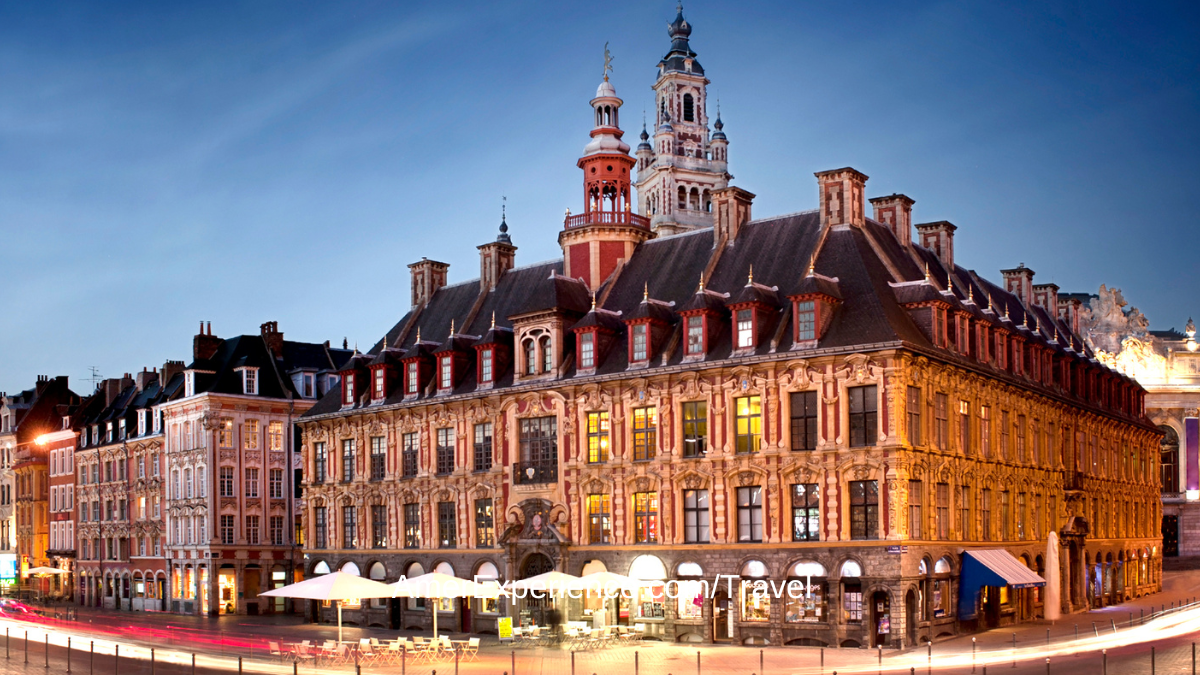
Admire the architectural splendor of Lille Town Hall and Belfry, a UNESCO-listed site that reflects the city’s rich history and civic pride. This magnificent structure, designed in the Flemish Renaissance style, boasts a striking façade adorned with intricate sculptures and decorative elements that showcase the artistry of its builders. The belfry, rising majestically to 104 meters, not only offers breathtaking panoramic views of the city but also serves as a symbol of the resilience and unity of the Lille community.
9. Trench of the Bayonets (Tranchée des Baionnettes) →
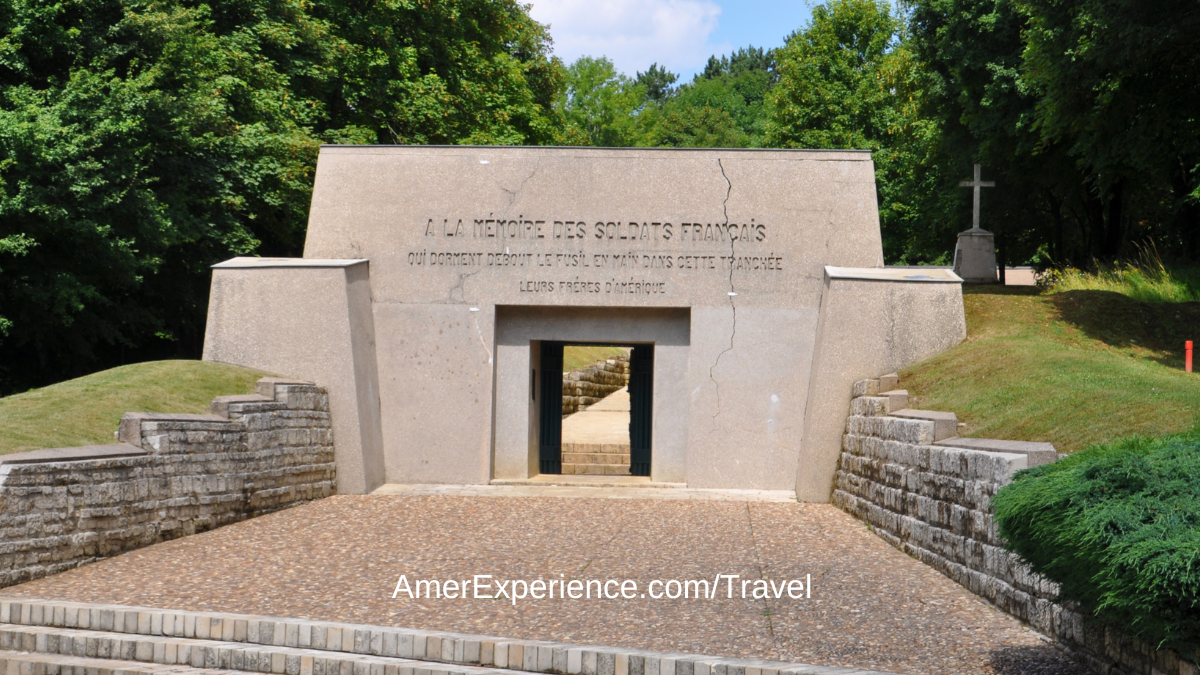
Pay homage to the fallen soldiers of World War I at the Trench of the Bayonets, a poignant memorial in Verdun that stands as a solemn reminder of the profound sacrifices made during one of history’s deadliest conflicts. This site, marked by the haunting presence of hundreds of rusted bayonets fixed upright into the earth, symbolizes the bravery and tragic fate of those who fought for their countries.
8. Reims Cathedral of Notre-Dame (Cathédrale Notre-Dame de Reims) →
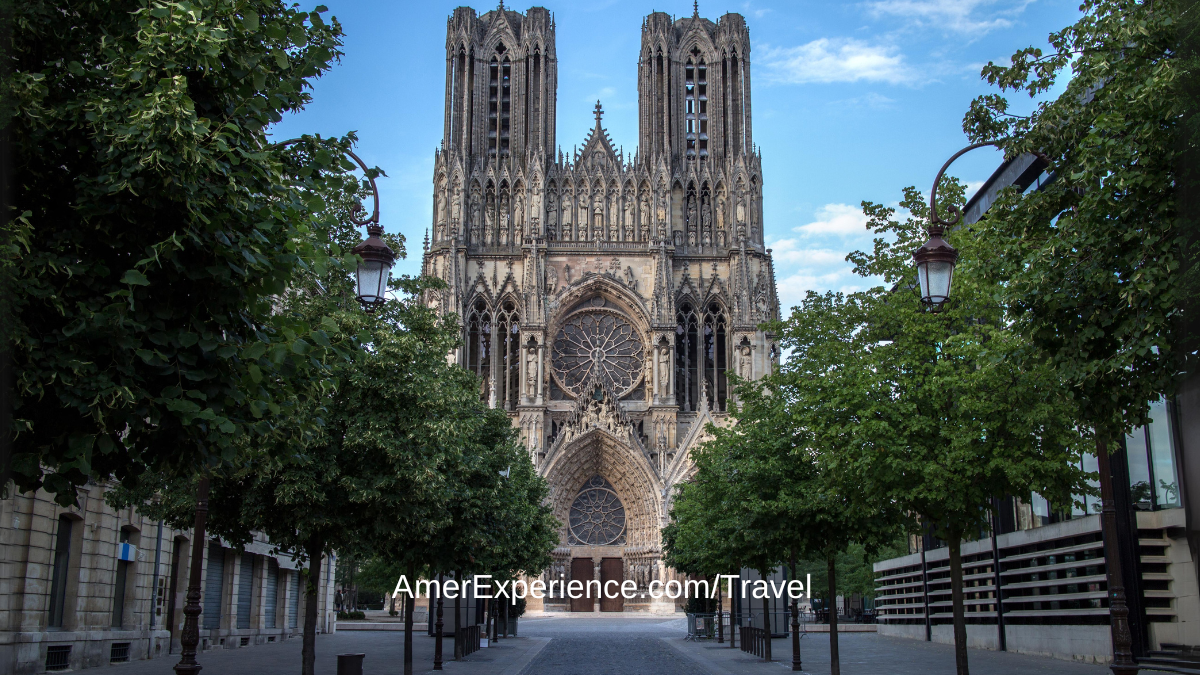
Experience the awe-inspiring beauty of the Reims Cathedral, a Gothic masterpiece and the coronation site of French kings. This magnificent structure, with its intricate sculptures and stunning stained glass windows, stands as a testament to the artistry of the medieval era, its façade telling stories of biblical scenes and historical events.
7. Aiguille du Midi Cable Car →
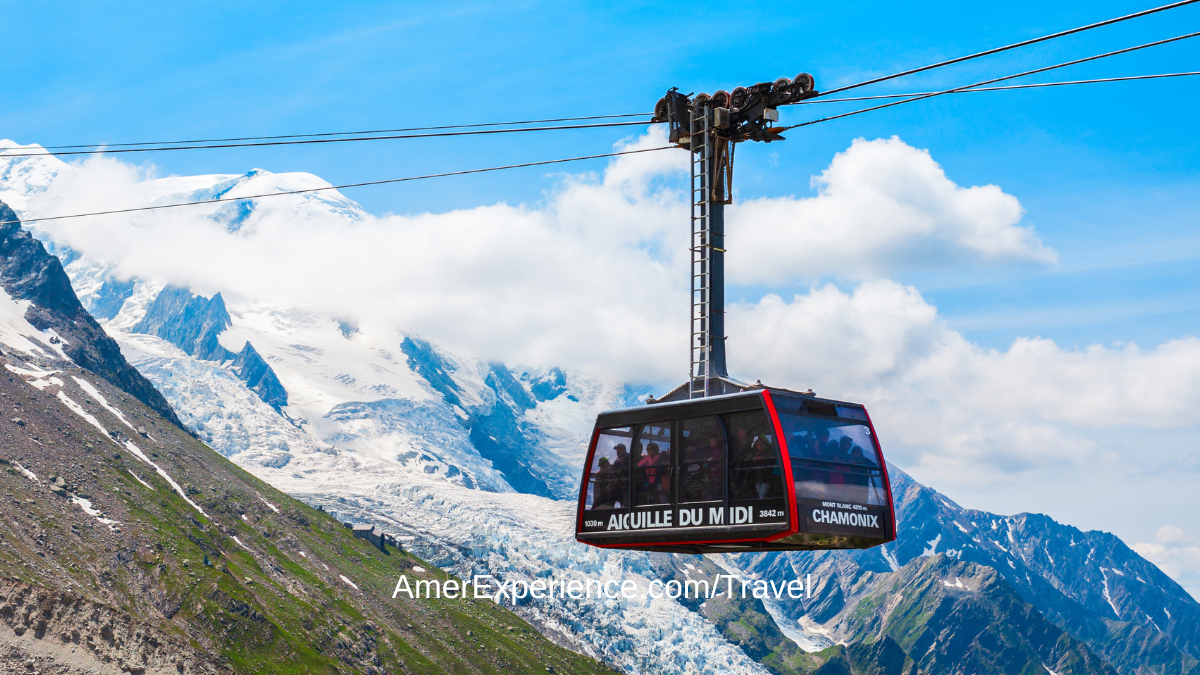
Embark on a thrilling journey with the Aiguille du Midi Cable Car, soaring high above the French Alps for unparalleled panoramic views. As you ascend to an altitude of 3,842 meters, each moment reveals more of the snow-capped peaks and sprawling valleys below — one of the most direct ways to experience the Alps without a full day of hiking.
6. Lake Annecy (Lac d’Annecy) →
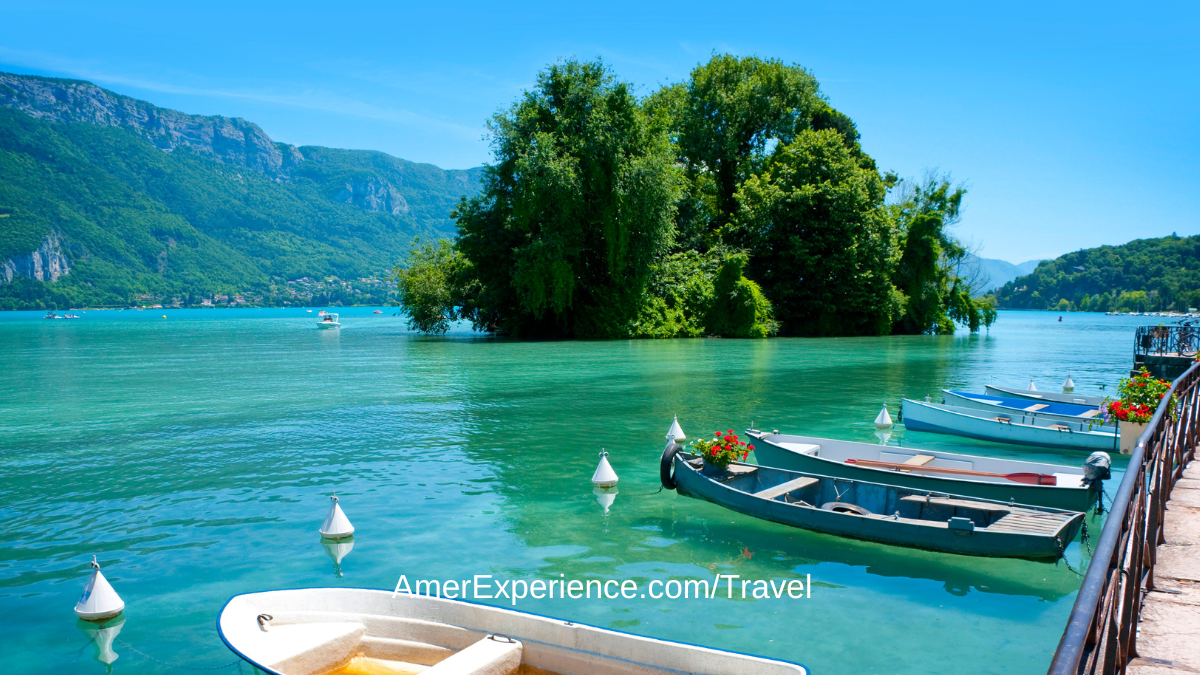
Escape to the picturesque Lake Annecy, nestled between snow-capped mountains. Often called the “Venice of the Alps,” it has crystal-clear waters for boating, swimming, and hiking along scenic trails, surrounded by charming villages and a lively local market culture.
5. Louvre →
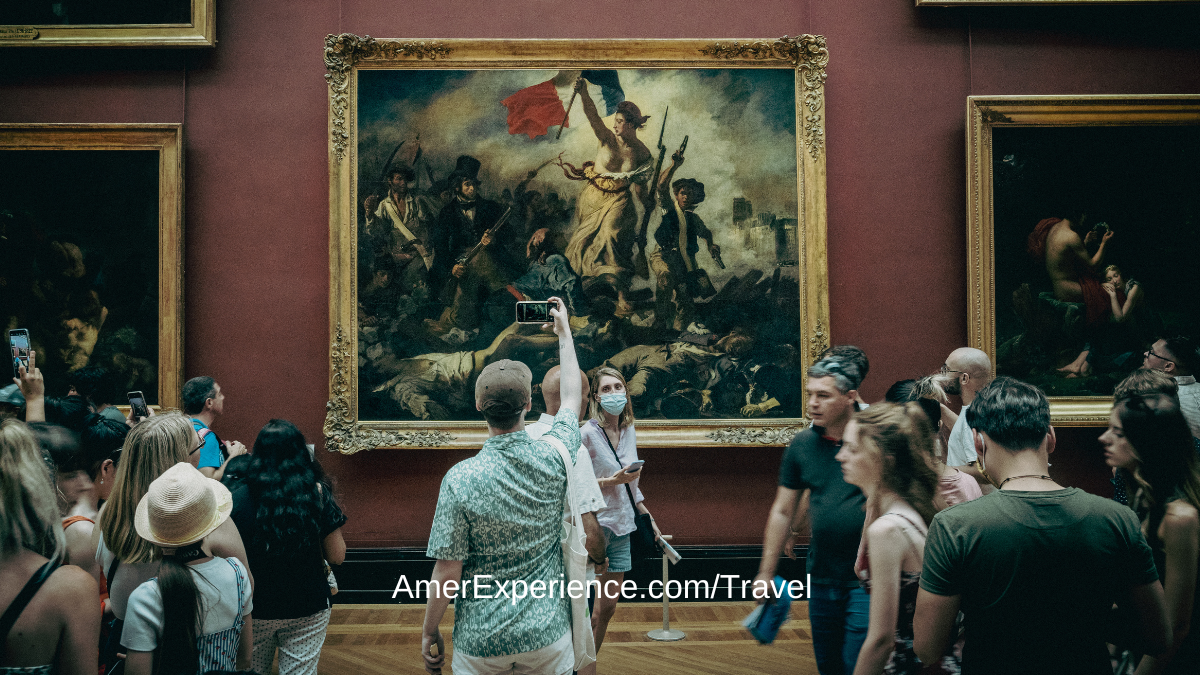
Discover art and culture at the Louvre, featuring the iconic Mona Lisa alongside an extensive collection spanning ancient civilizations to modern art. Its grand halls, sculptures, and paintings make it a must for art lovers, but even a focused two-hour visit covers the highlights well.
4. Old Lyon (Vieux Lyon) →
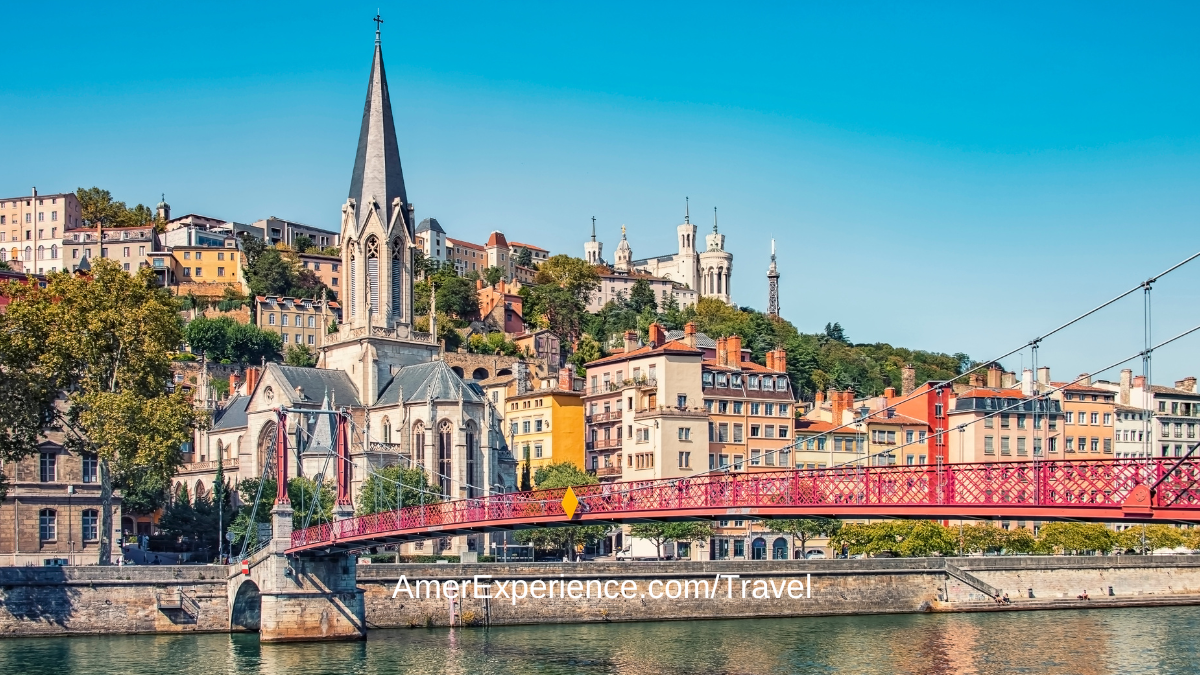
Wander the cobbled streets of Old Lyon, where medieval and Renaissance architecture creates a UNESCO-listed old town. Narrow alleyways lead past vibrant murals and quiet cafes, with a lively atmosphere shaped by centuries of layered cultural influence.
3. Eiffel Tower →
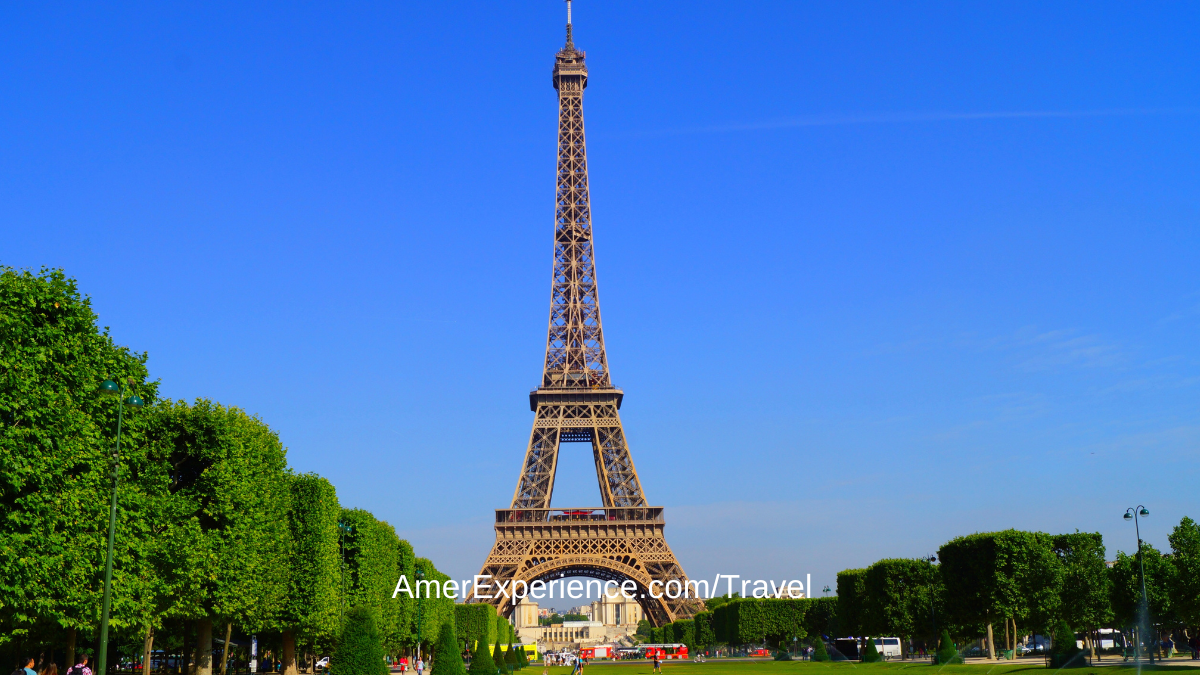
No France travel guide is complete without the Eiffel Tower. Standing 1,083 feet tall, this iron lattice masterpiece was designed by Gustave Eiffel for the 1889 Exposition Universelle. Its observation decks offer panoramic views of the Seine and the city, and it sparkles for five minutes every hour after dusk.
2. La Rochelle Towers (Tours de La Rochelle) →

Explore the maritime charm of La Rochelle’s ancient towers, including the Tour de la Chaine and Tour Saint-Nicolas — reminders of the city’s pivotal role in Renaissance-era maritime trade. The waterfront below is lined with cafes and seafood markets, making it an easy half-day stop on the Atlantic coast.
1. Versailles Gardens (Jardins de Versailles) →
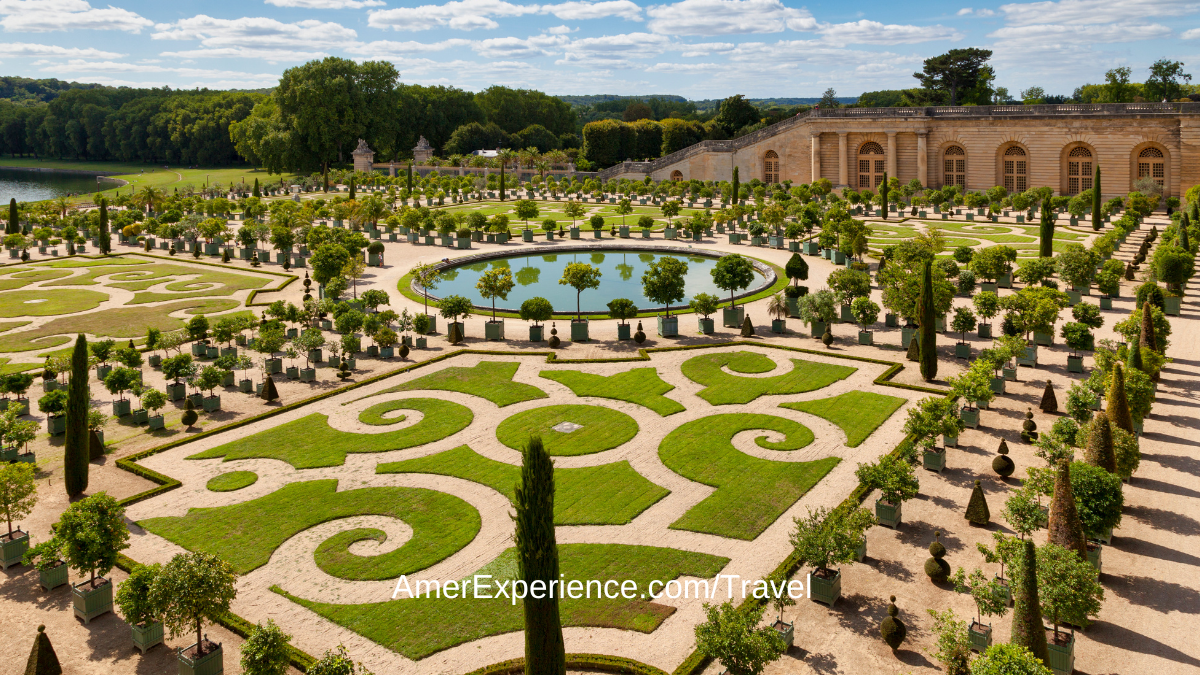
Step into the meticulously manicured landscapes surrounding the Palace of Versailles. Vibrant flower beds, elegant fountains, and perfectly aligned hedges are studded with carved statues, opening onto the Grand Canal — an easy half-day trip from central Paris by train.
France by Theme
Wine & Culinary France
Food is an integral part of French culture, and UNESCO has formally recognized the French way of eating as Intangible Cultural Heritage. A small-group cooking class in Paris covers the techniques — flambéing, braising, sautéing — that define French kitchens, alongside regional specialties like Languedoc’s cassoulet or Brittany’s crêpes.

Wine follows the country’s regions: Bordeaux’s full-bodied Cabernet Sauvignons, crisp Loire Valley Sancerre paired with local goat cheese, and Provence rosé for golden-hour drinking above lavender fields. A guided tasting is one of the easiest ways to understand a region beyond its landmarks.
French Alps & Winter Sports
The French Alps offer some of Europe’s best-connected ski terrain, from beginner-friendly resorts to the high-altitude runs above Chamonix. Outside ski season, the same cable cars and trails serve hikers and mountain-lake visitors through summer.
Coastal France & the Riviera
France has over 3,400 kilometers of coastline. The French Riviera’s golden sands and glamorous towns like Saint-Tropez and Cannes are the best known; the Atlantic side around Biarritz has a more laid-back, surf-town character, while Brittany’s dramatic cliffs and hidden coves reward slower travel.
Art & Culture Beyond the Louvre
Montmartre’s streets have drawn artists for centuries; the Centre Pompidou covers modern and contemporary work; Chartres Cathedral’s stained glass and Monet’s gardens at Giverny reward a day trip outside Paris for travelers with the time.
Family Fun: Disneyland Paris
Paris by Bike
Cycling is how locals get around Paris, and it’s an efficient way for visitors to cover more ground than on foot — from Le Marais to the Centre Pompidou, or further out to Versailles or Champagne on a full-day route.
Getting to France
Compare flights, car rental, and package deals before booking — prices to Paris and regional airports like Nice and Lyon shift significantly by season.
Warm regards,

Lassi Pensikkala
Destination expert & travel writer
Updated 2026 · © Lassi Pensikkala
Related guides
• Best things to do in Italy
• Best things to do in Spain
• Best things to do in Germany
France Travel Guide FAQ
How many days do I need in France?
Plan on four to five days for Paris alone, and a week to ten days if you want to add one region such as the Riviera, Provence, or the Loire Valley. Two weeks or more suits travelers who want to properly cover multiple regions.
When is the best time to visit France?
Late spring (April to June) and early autumn (September to October) offer the best balance of mild weather, smaller crowds, and lower prices. Summer is peak season on the coast, and August sees many small businesses close as locals take their own holiday.
Is France expensive to visit?
Paris and the French Riviera are on the pricier end of European travel, especially for hotels in high season. Regional France — the Loire Valley, rural Provence, smaller cities like Lyon or Bordeaux — costs noticeably less for comparable quality, and traveling outside July–August reduces costs across the board.
Should I focus on Paris or explore the regions too?
First-time visitors are usually better served focusing on Paris and one nearby region rather than spreading a short trip across the whole country. France’s regions differ enough — Alsace, Provence, Brittany, the Alps — that each deserves unhurried time rather than a rushed stopover.
Do I need a car in France, or is public transport enough?
Public transport, especially the TGV high-speed rail network, comfortably covers travel between major cities and within Paris itself. A car becomes useful once you’re exploring rural regions like the Loire Valley, Provence’s hill towns, or Alpine routes, where towns are spread out and trains run less frequently.
This web site contains links and affiliate links to other web sites (as affiliate partner we get commissions paid for the sales made by these web sites). Some of those web sites may be operated by third parties. As an Amazon Associate we earn from qualifying purchases.