

37 Europe Travel Guides ↗ | 125+ World Travel Guides ↗
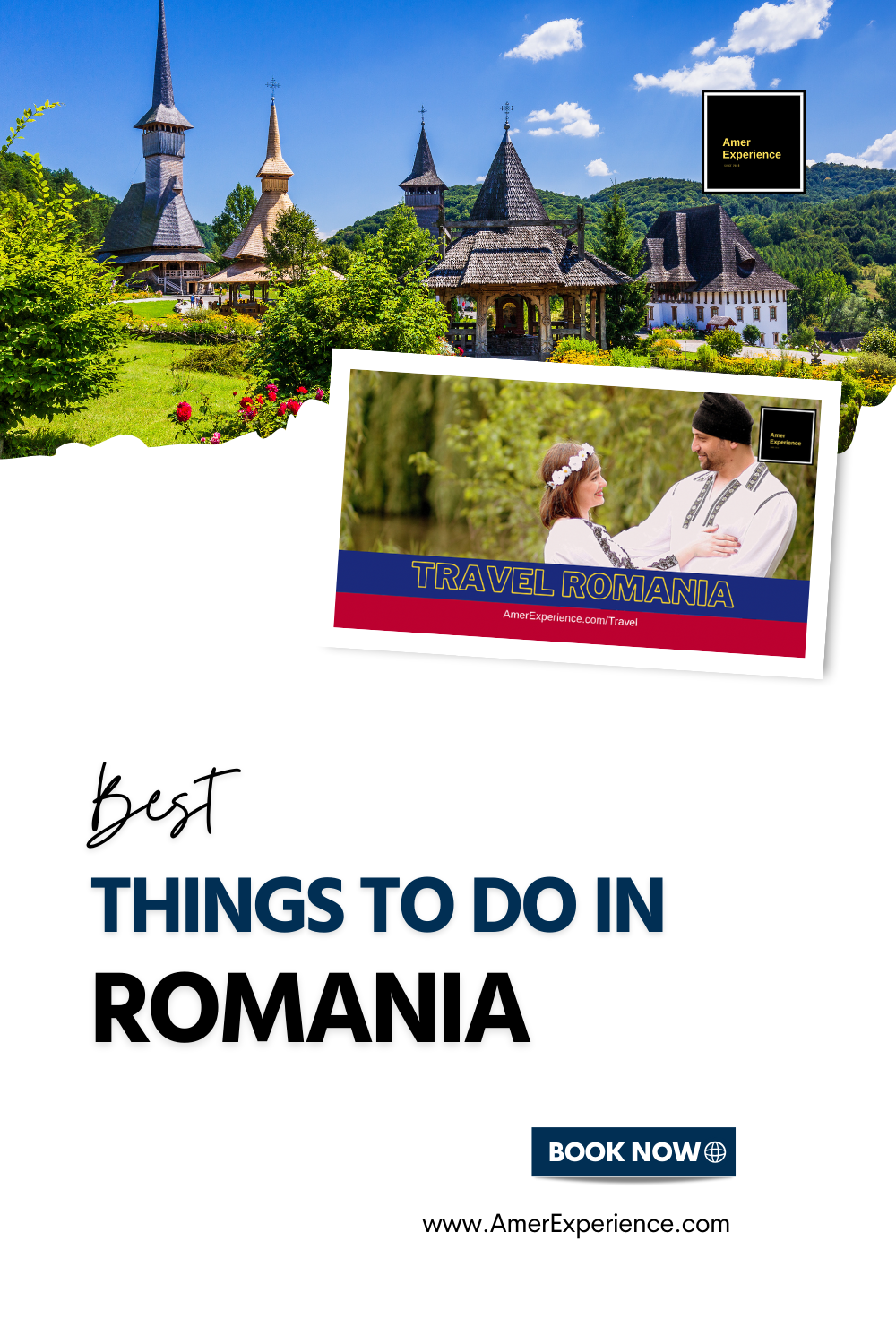
Romania brings together Transylvania’s medieval towns, Carpathian mountain landscapes, the waterways of the Danube Delta and a wine culture with its own distinctive grapes. From Bucharest’s grand avenues to village guesthouses and vineyard terraces, the country rewards a journey shaped around your interests and time.
Drawing on more than three decades of international destination management and travel experience, this AmerExperience™ Romania travel guide brings together practical planning tools, carefully selected recommendations and an international perspective in one place. Use it to choose your bases, connect worthwhile experiences and make informed decisions about sightseeing, accommodation, wine, golf and business travel.
Find Your Way Into Romania
- Explore Romania through cultural visits, countryside journeys and guided experiences.
- Discover Brașov, nearby castles and the landscapes of Transylvania.
- Taste Romanian wines in Bucharest or visit vineyards on a countryside excursion.
- Explore beyond Bucharest with day trips to castles, historic sites and mountain scenery.
This guide contains affiliate links. AmerExperience™ may earn a commission from qualifying bookings. Check each provider’s inclusions, access arrangements and cancellation conditions before booking.
How to Plan Your First Trip to Romania
For a first visit, allow seven to ten days for Bucharest and a selection of Transylvania’s towns. A three- or four-day stay works well for a Bucharest city break with one excursion. With two weeks, add one contrasting region: the Danube Delta for nature, Bucovina for painted monasteries or Maramureș for wooden churches and village traditions.
Build the route around overnight bases. Brașov, Sibiu and Bucharest each reward time on foot, while mountain roads and village visits need generous travel allowances. Compare your arrival and departure airports before committing to a loop; an itinerary finishing in Transylvania can save a return journey to the capital.
| Destination or Region | Best For | Suggested Stay | Planning Priority |
|---|---|---|---|
| Bucharest | Architecture, museums, restaurants and business | 2–3 nights | Choose your district around sightseeing or meeting locations. |
| Brașov and Sinaia | Castles, historic streets and mountain outings | 2–3 nights | Check castle opening days before choosing excursion dates. |
| Sibiu and Sighișoara | Medieval towns, fortified churches and regional food | 2–3 nights combined | Allow time for villages between overnight stops. |
| Cluj-Napoca and Turda | City life, the salt mine and gorge walks | 2–3 nights | Treat the mine and gorge as separate visits. |
| Danube Delta | Birdwatching, waterways and quiet nature stays | 2–3 nights | Coordinate accommodation with boat transfers. |
| Bucovina or Maramureș | Religious art, wooden architecture and rural heritage | 3–4 nights in one region | Allow extra travel time between scattered sites. |
Ten Places and Experiences Worth Building a Trip Around
1. Bucharest: Architecture, Culture and Everyday City Life
Start along Calea Victoriei, where the Romanian Athenaeum and former Royal Palace introduce the capital’s cultural life. Continue into the Old Town for Stavropoleos Monastery and a meal, then give the Palace of Parliament its own visit. Its monumental interiors are best understood alongside the demolition and displacement associated with Ceaușescu’s redevelopment of the city.
The Village Museum and nearby King Michael I Park, also known as Herăstrău Park, offer a different pace. Arcul de Triumf fits naturally into this northern part of the city; rooftop access depends on opening arrangements. For evenings, choose between a concert, a contemporary Romanian restaurant and a wine bar. Check Parliament reservation and identification requirements directly before visiting.
2. Brașov: A Base for Southern Transylvania
Brașov combines a compact historic centre with easy access to the surrounding mountains. Walk through Council Square, visit the Gothic Black Church and explore the streets below Tâmpa. The church’s collection of Anatolian carpets offers a fascinating reminder of the trading connections that shaped this part of Europe.
Stay for at least two nights if castles or countryside are part of your plans. A first afternoon in town followed by an excursion leaves room for an unhurried dinner and a second morning walk. Staying near the historic centre is convenient; travellers with a car should confirm parking access before booking.
3. Bran and Peleș: Two Very Different Castle Visits
Bran offers a dramatic medieval setting associated with the Dracula story, while Peleș at Sinaia presents the richly decorated world of Romania’s monarchy. The contrast makes them rewarding companions on a castle-focused itinerary. At Bran, distinguish the fictional Count Dracula from Vlad the Impaler and the castle’s own history; the familiar tourism association is not evidence that it was Vlad’s residence.
Excursions combining both castles and Brașov from Bucharest involve a long day. They can suit a short visit, but an overnight stay around Sinaia or Brașov gives you more flexibility. Confirm which interiors are included, whether admission is extra and how the itinerary changes when a castle is closed.
4. Sibiu: Squares, Rooflines and Regional Culture
Sibiu’s Upper and Lower Towns reward walking: broad squares, stairways, courtyards and the distinctive roof openings often described as the city’s “eyes.” Combine the historic centre with the ASTRA open-air museum for a wider view of Romania’s rural architecture and craft traditions.
Two nights give you a full day for the town and museum, with room for a regional meal and a relaxed evening. If you want to explore nearby villages, add time for the Mărginimea Sibiului area rather than squeezing it into the same sightseeing day.
5. Sighișoara and the Fortified Churches
Sighișoara’s UNESCO-listed historic centre preserves the character of a fortified Transylvanian town. Walk through the citadel, see the Clock Tower and take the covered stairway towards the Church on the Hill. An overnight stay lets you enjoy its streets after the busiest visiting hours.
For a broader understanding of Saxon heritage, include a fortified church such as Biertan or Viscri along your route. These visits help explain how worship, community life and defence were connected. Check local visiting arrangements and allow time to appreciate the village around the church.

6. The Transfăgărășan and Bâlea Lake
The Transfăgărășan climbs through the Făgăraș Mountains in a sequence of bends, viewpoints and changing landscapes. Bâlea Lake is one of its best-known stops, but the journey deserves time for weather, traffic and short walks. Plan it as a scenic day rather than a quick transfer between cities.
The high section is seasonal and weather-dependent. Check road conditions shortly before departure and keep an alternative route available. Cable-car operation also depends on conditions. Stay well away from bears, keep food secured and never stop to feed or approach wildlife.
7. Cluj-Napoca, Turda Salt Mine and Turda Gorge
Cluj-Napoca offers a lively urban base with university life, cafés and cultural venues. Nearby Turda provides two contrasting excursions: the underground spaces of Salina Turda and the limestone landscape of Cheile Turzii, or Turda Gorge.
Choose your gorge walk according to fitness, footwear and trail conditions. The salt mine and gorge are separate attractions, so account for transfers as well as visiting time. If outdoor walking is your priority, leave a flexible day for suitable weather rather than locking both visits into a tight schedule.
8. The Danube Delta: A Journey Shaped by Water
The UNESCO-listed Danube Delta offers reed beds, channels, lakes and birdlife on a completely different scale from Romania’s city and castle routes. Tulcea is an important gateway, while your chosen village or lodge determines how far you travel by boat and which waterways you can explore.
Allow two or three nights for a more rewarding nature stay. Ask your host about transfers, reserve access requirements, guiding and meals before booking. A small-group birdwatching outing and time on quieter channels can be more satisfying than a schedule designed simply to cover distance.
9. Bucovina or Maramureș: Art, Faith and Village Heritage
Bucovina is known for painted monastery churches, while Maramureș offers distinctive wooden churches and rural architecture. Both regions reward travellers interested in craftsmanship and cultural history. They also require a different rhythm from a city break, with time to move between villages and understand individual sites.
Choose one region as an extension to your main route. A local guide can help explain religious imagery and regional traditions. Churches are places of worship as well as visitor attractions, so follow dress guidance, service arrangements and photography rules.
10. Timișoara: Squares, Architecture and a Western Gateway
Timișoara’s central squares, architectural heritage and Bega riverfront make it an appealing city break in western Romania. Its role in the revolution that ended communist rule gives a visit further historical depth. Leave time for cafés and neighbourhood walks as well as the principal landmarks.
It works especially well as the starting or finishing point of a western itinerary. For a shorter Bucharest-based holiday, use the same days closer to the capital; Timișoara deserves its own place in the route rather than a long detour.
More Time Near Bucharest?
Mogoșoaia Palace offers Brâncovenesc architecture and landscaped grounds. Snagov Monastery adds an island setting and religious history; the claim that Vlad the Impaler is buried there remains disputed. Poenari Fortress has a stronger historical association with Vlad, but its steep approach and changing access arrangements make it a separate outing to plan carefully. Confirm access before travelling.
Wine Travel in Romania: Regions and Grapes to Discover
Wine adds a rewarding dimension to a Romanian journey. Seek out local varieties such as Fetească Neagră for reds and Fetească Albă, Fetească Regală and Tămâioasă Românească for whites. Ask the host to compare grape character, winemaking style and region rather than treating every bottle as representative of the whole country.
Dealu Mare is a practical choice for a dedicated wine excursion from Bucharest. Drăgășani suits a route through southern Romania, while Târnave and the Jidvei area can complement a Transylvania itinerary. Match the wine region to your journey before choosing a tasting.
Book winery appointments ahead and confirm the tasting language, duration, food pairing and transport. A Bucharest wine tasting is useful when time is limited; a vineyard visit gives you more context through the landscape and cellar. Plan transport so everyone taking part can enjoy the wines.
Build a Stay Around Wine
Explore accommodation listed for wine travel in Romania ↗
Check the map and property details carefully: a winery-hotel category does not necessarily mean accommodation on a vineyard. Confirm the winery’s location, tasting availability and return transport separately.
What to Eat in Romania
Begin with sarmale, stuffed cabbage rolls; mămăligă, a cornmeal preparation often served with cheese or richer dishes; and ciorbă, the family of sour soups found in many variations. Grilled mici and papanași, a cheese-based dessert commonly served with sour cream and preserves, are other familiar introductions.

Balance traditional meals with contemporary restaurants and regional cooking. Ask which ingredients and wines come from the surrounding area. A meal in a city restaurant and one arranged at a countryside guesthouse can reveal very different sides of the same destination.
Golf in Romania: Add a Round to Your Journey
For travellers combining golf with culture or business, start by checking a course near your planned base. National Golf & Country Club at Niculești, north of Bucharest, is one option to investigate. Contact the club about visitor eligibility and arrangements before building a day around it.
Ask about available tee times, handicap requirements, rental clubs, practice facilities and the total cost of play. Spring through autumn is the most practical period to consider, subject to weather and course conditions. Allow for the drive from your hotel, particularly when combining a round with meetings or a flight.
Plan Your Golf Day
Ask National Golf & Country Club about visitor arrangements ↗
Compare accommodation listed for golf travel in Romania ↗
Confirm the actual course, transfer distance and visitor access. A hotel listing does not establish that green fees, equipment or a tee time are included.
Business Travel: Bucharest and Regional Cities
Bucharest is a natural starting point for corporate visits, with business districts, conference hotels and the ROMEXPO exhibition complex. Romania’s business activity spans sectors including technology, automotive manufacturing, energy and agriculture. Regional appointments may take you to cities such as Cluj-Napoca or Timișoara, so organise the journey around actual office and factory locations.
For trade fairs, consult the ROMEXPO exhibition calendar before reserving accommodation. In Bucharest, a hotel convenient for meetings may serve you better than one beside nightlife. Check transfer times at the hours you expect to travel and leave space between appointments.
A free evening can accommodate a guided walk, a Romanian wine tasting or a carefully chosen dinner. With an extra day, consider a vineyard excursion or a pre-arranged golf round. A Transylvania extension deserves additional nights if you want time to experience the towns between transfers.
Romania Itineraries: Three Ways to Shape Your Trip
3–4 Days: Bucharest With One Excursion
Use two days for the capital’s architecture, museums and restaurants. Choose one further experience: a wine excursion, Mogoșoaia and Snagov, or a full-day castle tour. With a fourth day, leave time for a park, a museum or a pre-arranged golf outing.
7–10 Days: Bucharest and Transylvania
Start with two nights in Bucharest, continue via Sinaia to Brașov for two or three nights, then choose Sibiu or Sighișoara as your next base. At the longer end, include both and add a fortified village. Allow a final transfer day or compare a departure airport closer to your last stop.
12–14 Days: Add One Distinctive Region
Extend the Bucharest–Transylvania route with the Danube Delta, Bucovina or Maramureș. Choose according to your interests and transport connections. Reserve three or four days for the extension, including travel, and retain some flexibility for weather and local arrangements.
Where to Stay in Romania
Bucharest: consider Calea Victoriei and nearby central streets for cultural sightseeing; choose accommodation around your appointment locations for business. Check noise reviews when staying near Old Town nightlife.
Brașov, Sibiu and Sighișoara: central accommodation makes evening walks easy. For historic buildings, confirm stairs, lifts, air conditioning and parking according to your needs.
Rural regions and the Delta: ask about meals, transfers, payment arrangements and nearby activities. In remote settings, these details can matter more than the headline room rate.
Choose Your Base Before Your Room
Compare hotels and places to stay in Romania ↗
Use the map to match your accommodation with the places you intend to visit. Compare the total stay cost, cancellation terms, breakfast, parking and transfer requirements.
Best Time to Visit and Getting Around
Late spring and early autumn are appealing for city walks and cultural touring. Summer provides longer days for outdoor plans, with warmer city temperatures and more pressure at popular attractions. Winter suits a different itinerary centred on cities, seasonal mountain activities and cosy stays; high mountain road access requires particular attention.
Trains can support a journey between major towns. A car or private driver provides more flexibility for village churches, wineries and rural accommodation. Use current timetables and realistic door-to-door estimates: include station transfers, meal stops and check-in time when deciding how much to schedule.
Before departure, check entry requirements for your nationality, travel insurance, payment options and any driving requirements that apply to your route. Reconfirm opening hours, road access and boat arrangements close to your visit. These practical checks keep an individually planned journey running smoothly.
Romania Map: Put Your Route in Perspective
Use Bucharest, Brașov and Sibiu to orient a first journey, then locate your chosen extension. The Danube Delta lies to the east, Timișoara to the west, and Bucovina and Maramureș farther north. Check each transfer separately before reserving consecutive nights.
Frequently Asked Questions About Visiting Romania
How Many Days Do You Need in Romania?
Seven to ten days is a useful starting point for Bucharest and selected Transylvanian towns. Three or four days suits a city break, while two weeks allows a further region with time for transfers.
Can You Visit Romania Without Renting a Car?
Yes. Build your route around towns served by public transport and add guided excursions or private transfers for rural visits. Check connections before booking accommodation, especially when moving between smaller destinations.
Is Bran Castle Really Dracula’s Castle?
“Dracula’s Castle” is its familiar tourism name, associated with the fictional character. The literary story, Vlad the Impaler’s history and Bran’s own past should be understood separately.
Where Can You Taste Romanian Wine?
Start with a tasting in Bucharest or arrange a visit to a region such as Dealu Mare, Drăgășani or Târnave. Book ahead and confirm transport, tasting language and what the price includes.
Can You Combine Business Travel With Golf?
Potentially, yes. Contact a club convenient to your business itinerary, confirm visitor access and reserve sufficient time for transport and play. Secure the golf arrangements before choosing accommodation specifically for a round.
Continue Planning Your European Journey
For a wider regional trip, explore our guides to Hungary, Bulgaria and Serbia. Choose an onward destination that works with your route and available travel days.

Lassi Pensikkala is an international business consultant, destination management professional and founder of AmerExperience™. His travel industry experience includes serving more than 700 B2B clients from 55 countries. His editorial approach connects culture, practical travel planning and the perspective of international business.
This guide combines destination research with decades of professional travel experience. Recommendations are intended to help you design your own journey; specific services and access arrangements should be confirmed with the relevant provider.
© Lassi Pensikkala · AmerExperience™
Useful Destination References
Explore RomaniaTourism’s destination information, UNESCO’s Romanian World Heritage sites, Romanian grape varieties and wine regions and Transfăgărășan route information for further planning.