

Plan your trip
Tours & activities
Discover top-rated travel experiences worldwide.
Flights & hotels
Compare places to stay and plan your journey.
RecommendedTravel insurance
Prepare for unexpected situations during your trip.
Travel safety
Safety guidance, emergency numbers and useful contacts.

125 Travel Destination Guides
Explore curated destination guides for the USA, Europe, Latin America and Scandinavia.
Recognized within Google’s AI-powered travel search results.
A growing travel-guide network covering the USA, Europe, Latin America and Scandinavia.
International insights for business travellers, entrepreneurs and decision-makers.
Download the ebooks →Disclosure: As an affiliate, I earn from qualifying purchases made through links on this page at no extra cost to you.
The “Four Worlds” of Ecuador represent one of the most efficient concentrations of biodiversity and cultural heritage on the planet. While legacy travel guides often treat the country as a secondary stop on a South American circuit, the modern landscape shows a destination that has matured into a sophisticated hub for regenerative travel and high-value experiences.
The Strategic Shift: Beyond the Galápagos
The traditional narrative of Ecuador historically began and ended with the Galápagos Islands. However, current logistics and infrastructure have opened up the mainland in ways that were previously inaccessible to the premium traveler. We are seeing a significant move toward “Slow Travel” hubs in the Chocó Andino cloud forests and the deep Amazon. These areas have transitioned from basic eco-lodges toward world-class, architectural retreats that prioritize both luxury and environmental restoration.
From a destination management perspective, the mainland now offers a seamless bridge between the coast and the highlands. With the expansion of high-speed connectivity—including widespread satellite internet availability in remote lodges—the Andes have become a primary choice for global professionals who need to maintain their business momentum while immersed in nature.
Logistical Intelligence and Regional Realities
Managing travel today requires a realistic and segmented view of the environment. While international headlines occasionally focus on coastal logistics in commercial provinces, the operational reality for the traveler remains stable in the primary tourism corridors. The historical centers of Quito and Cuenca, along with the entire volcanic corridor, remain high-functioning zones.
The key to navigating Ecuador successfully is “logistical intelligence.” This means moving away from mass-market tours and toward private, vetted transport and curated stays. This approach not only ensures security but grants access to private haciendas and exclusive culinary circuits that define the contemporary Ecuadorian scene.
To understand the full scope of how the country has positioned itself as a global leader in high-impact tourism, you can explore the latest updates on Ecuador travel and tourism. Since I have over 40 years of international experience in the travel business and destination management, I have seen the country transform from a hidden gem into a resilient, top-tier destination that offers a higher return on experience than almost anywhere else in the Americas.
Additional Tips for the Modern Traveler
• The “Altitude First” Protocol: To maximize your time, start your Andean journey with a 48-hour stay in a boutique hotel in Quito’s historic center. Many top-tier establishments now offer specialized services to eliminate the downtime usually caused by altitude adjustment.
• Invest in Specialized Guides: The best insights come from specialists—ornithologists in the cloud forest or historians in the Old Town. These experts provide the “destination insight” that elevates a standard trip into a profound learning experience.
• Coastal Pivoting: While the main ports are focused on commerce, the northern coast is seeing a revitalization of boutique, community-led tourism. These are the spots to find pristine beaches and world-class seafood away from the traditional crowds.
Frequently Asked Questions (FAQ)
1. Is it safe to travel through mainland Ecuador?
Yes, though it requires staying informed. Tourism in the Andes (Quito, Cuenca, Otavalo) and the Galápagos is functioning normally. In coastal areas, it is best to stick to vetted private transfers and avoid major industrial port zones after dark.
2. What makes Ecuador a “Slow Travel” leader?
Its compact geography. Unlike larger neighboring countries, you can experience four distinct ecosystems without the fatigue of long-haul domestic flights. This allows travelers to spend more days in the destination rather than in transit.
3. Do I need a visa for long-term stays?
Ecuador remains very open to international visitors. Many nationalities receive a 90-day tourist visa on arrival, and there are specific visas available for those looking to work remotely from the highlands or the coast for extended periods.
Read the story in Lonely Planet
Breathtaking Things To Do – Tours, Tickets & Activities – The Best Things To Do In Ecuador Ecuador Travel

With more than 30 years of experience in the International Travel Business, I am convinced it is easier to get there to your travel destination than to find Amazing Things To Do Wherever You Go.
 DISCOVER TOURS HERE
Amazing Things To Do Wherever You Travel And Wherever You Are
Kind regards
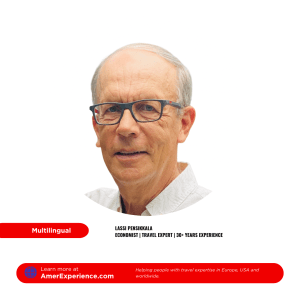
Eco. Lassi Pensikkala
Founder of Amer Experience
AmerExperience.com
Created at The Pacific Coast of Americas
Studied Economy, Psychology and Sociology at the University of Hamburg Germany. Speaks English, German, Spanish, Swedish and Finnish
[ Microblogs – Short but powerful ]
Travel Destination Magazine – Fantastic experiences read for free:

Oslo travel insights – Fjords, Vikings & the Nordic art of living well
Oslo travel insights – Oslo, the Norwegian capital, emphasizes relaxation over grand attractions, blending urban life with nature through its clean waterfront and…
Keep reading
Rio de Janeiro travel insights – Corcovado, Ipanema & the soul of the cariocas
Rio de Janeiro travel insights – Rio de Janeiro is a vibrant city that goes beyond its stunning landscapes. Here, nature, music, and…
Keep reading
Turku travel insights – Medieval streets, riverboats & the gateway to the archipelago
Turku travel insights – Turku, Finland’s oldest city, offers a unique blend of medieval history, a maritime atmosphere, and a connection to nature.…
Keep readingSomething went wrong. Please refresh the page and/or try again.
125 Free Travel Guides
Explore our collection of free travel guides for Europe, the USA and Latin America, created for travelers who want practical destination insight in one place.
Find more curated travel experiences and book safely with trusted partners on our Travel Hub → AmerExperience Travel Hub
