
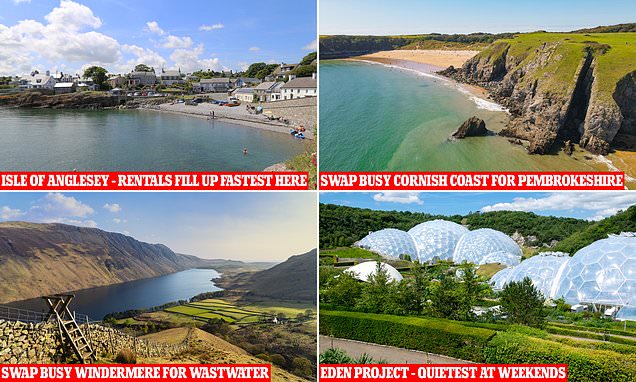
Travel expert review about overtourism, staycations, and changing travel behavior in England
Travel expert review about the article in Daily Mail Travel
The rental hotspots you need to book now – The article reflects one of the most important long-term changes currently shaping tourism across Europe. What was once mainly a challenge for internationally famous cities has increasingly spread to smaller countryside destinations, coastal villages, and domestic tourism hotspots.
England has experienced a remarkable rediscovery of regional travel during recent years. Many travelers who previously focused heavily on international holidays began appreciating destinations much closer to home. Coastal escapes, countryside cottages, national parks, small villages, and nature-oriented holidays suddenly became highly desirable again.
Readers interested in discovering more destinations across England can also explore the England travel guide ↗
What To Do in UK United Kingdom?
One of the most interesting aspects of this change is psychological. Travelers today increasingly search for experiences that feel emotionally relaxing and personally meaningful rather than simply busy or commercialized. People want open landscapes, cleaner environments, slower rhythms, and places where they can mentally disconnect from everyday stress.
England fits these travel trends surprisingly well
The countryside, historic villages, dramatic coastlines, walking routes, traditional pubs, gardens, and smaller local communities offer exactly the kind of atmosphere many travelers now seek. At the same time, social media and digital travel platforms have dramatically increased visibility for destinations that were previously considered relatively quiet or undiscovered.
This has changed tourism dynamics completely
Places that once depended mainly on seasonal domestic tourism can now become highly demanded almost overnight when photographs and travel recommendations spread online. A scenic beach, small village, hiking route, or countryside rental property can suddenly experience demand far beyond what local infrastructure was originally designed to handle.
That is where overtourism increasingly enters the discussion.
The article highlights this challenge very well because overtourism today is no longer limited only to destinations such as Venice, Barcelona, or Amsterdam. Smaller destinations across England now also face increasing pressure connected to accommodation shortages, traffic congestion, parking capacity, environmental stress, and balancing tourism growth with local quality of life.
This is becoming one of the central tourism management discussions throughout Europe
Another important development is that travelers now plan differently. During recent years many people became far more aware of the importance of flexibility, availability, and advance reservations. Highly attractive countryside rentals and coastal properties often become fully booked surprisingly early, especially during holiday periods.
At the same time, the concept of a “staycation” has evolved significantly.
Previously many people viewed domestic holidays simply as a practical substitute for international travel. Today the thinking has changed. Travelers increasingly appreciate the calmer pace, easier logistics, and more relaxed atmosphere that nearby destinations can offer.
This represents a major cultural shift in tourism behavior
As someone who has worked extensively in destination management and international tourism, I find this transformation especially interesting because it changes how destinations themselves must think strategically. Smaller tourism regions now face many of the same planning challenges previously associated only with large international tourism centers.
Infrastructure, sustainability, environmental protection, tourism flow management, and local acceptance have become important even in relatively small destinations.
England’s tourism industry has adapted relatively well to these changes. Boutique accommodations, countryside retreats, wellness-focused travel, local gastronomy, and nature-oriented experiences have all grown strongly. Travelers increasingly value authenticity and emotional atmosphere over standardized tourism products.
This trend is visible throughout Europe, but England benefits particularly because of its diversity. Within relatively short distances travelers can combine historic cities, rolling countryside, coastal scenery, national parks, and traditional villages without long travel times.
That flexibility makes regional travel especially attractive
Another important factor is the influence of remote work and flexible lifestyles. Many people now combine work and leisure travel more naturally than before. Countryside rentals and slower regional travel experiences often fit perfectly into this evolving lifestyle.
The article also indirectly reflects how tourism itself has become increasingly emotional. Travelers today often prioritize how a destination feels rather than simply how famous it is. Peacefulness, atmosphere, wellbeing, authenticity, and emotional comfort influence travel decisions much more strongly than before.
England’s countryside and coastal regions fit these emotional travel trends extremely well
The challenge moving forward will be balance. Tourism brings important economic benefits to local communities, but destinations must also protect environmental sustainability and maintain quality of life for residents. The future of tourism increasingly depends on finding that balance successfully.
At the same time, the growing interest in slower, regional, and more meaningful travel experiences will likely continue shaping tourism for many years ahead.
Travelers interested in discovering more destinations across Europe can also explore the 37 Europe travel guides – free download ↗
Additional tips to readers
I recommend using Viator ↗ and GetYourGuide ↗ to compare tours, countryside activities, coastal experiences, prices, detailed information, and customer reviews for additional safety and better travel planning.
FAQ
What is overtourism?
Overtourism happens when visitor numbers create excessive pressure on local infrastructure, communities, accommodation availability, and the travel experience itself.
Why have staycations become more popular in England?
Many travelers increasingly value local experiences, flexibility, nature, slower travel, and less complicated travel planning.
Are smaller destinations now affected by overtourism too?
Yes. Even smaller countryside areas and coastal villages increasingly experience strong tourism pressure during peak periods.
The original story in Daily Mail
London Best Tours and Tickets
Best UK Cycle Tours
Reserve now tours and activities wherever you travel
Español – Français – Portugués – Dansk – Deutsch – Italiano – Nederlands – Norsk – Svenska – 日本語 – Suomi
Warm regards,

Lassi Pensikkala
Destination expert & travel writer
Updated 2026 · © Lassi Pensikkala
This guide is part of my 125 USA, Europe, Latin America and Scandinavia Travel Guides, curated from decades of travel experience. Read and download the guides for free here
Claim Your Free Collection Now
AmerExperience is one of the most comprehensive independent multilingual travel publishing platforms covering destinations across Europe, the Americas, and beyond.
The world is waiting. Get your hands on the most ambitious free travel resource.
Disclosure: As an affiliate, I earn from qualifying purchases made through links in this post at no extra cost to you.
125 Free Travel Guides
Explore our collection of free travel guides for Europe, the USA and Latin America, created for travelers who want practical destination insight in one place.
Find more curated travel experiences and book safely with trusted partners on our Travel Hub → AmerExperience Travel Hub
