

English | Español | All Western Europe travel guides ↗
Belgium travel guide: Belgium combines medieval cities, magnificent architecture, world-famous chocolate and beer traditions with a vibrant contemporary culture at the heart of Europe. From the canals of Bruges and the historic squares of Brussels to the battlefields of Flanders and the Ardennes, Belgium offers remarkable experiences in every season.
Whether you are planning to explore Belgium’s historic cities, discover its renowned culinary traditions or learn about its rich cultural heritage, this guide brings together practical planning advice and carefully selected recommendations in one place.
This guide draws on more than three decades of international destination management experience across Europe and beyond — practical, tested recommendations rather than a repackaged list, built to help you plan a trip that actually works logistically, not just look good on a map.
Start planning your Belgian adventure with these carefully selected experiences:
• Explore tours and experiences throughout Belgium ↗ – discover historic cities, medieval architecture, cultural landmarks and experiences across the country.
• Discover Brussels through guided tours and local experiences ↗ – explore the Grand Place, the European Quarter, Art Nouveau architecture and the city’s outstanding culinary traditions.
• Experience the medieval beauty of Bruges ↗ – stroll along picturesque canals, wander through historic squares and discover one of Europe’s best-preserved medieval cities.
Belgium
Tours, activities & hotel search for your Belgium trip
Map of Brussels Belgium 🇧🇪 with Travel & Destination Photos
Current weather today in Brussels Belgium 🇧🇪
Best Time to Visit Belgium
Late spring (May–June) and early autumn (September) are the most comfortable months — mild temperatures, longer daylight, and noticeably fewer crowds in Bruges and Brussels than in peak summer. July and August bring the warmest weather and the busiest streets, especially around the Grand-Place and the Bruges canals, where tour groups stack up by mid-morning.
Winter has its own draw: Brussels and Bruges both run Christmas markets from late November, with ice rinks and light displays in the main squares. It’s atmospheric, but hotel rooms in the historic centers get booked early for this period, so reserving well ahead matters more here than at any other time of year. One thing I’ve learned covering Northern Europe is that shoulder-season travelers consistently report a better experience than those who arrive at the summer or Christmas peaks.
Rain is a year-round possibility regardless of season — pack for it rather than planning around it.
How Many Days Do You Need in Belgium?
Three to four days covers the essentials: a full day in Brussels for the Grand-Place, Manneken Pis and the European Quarter, then a day each in Bruges and Ghent. Belgium’s rail network makes this realistic without a car — Brussels to Bruges runs about an hour, Brussels to Ghent around 35 minutes.
With five to seven days, add Antwerp for its fashion and diamond district, and a day trip to Ypres and the Flanders battlefields — a different pace and tone from the city stops, worth planning as its own half-day rather than squeezing in. If you’re short on time, Bruges is the one city I’d prioritize over the others; it rewards even a single well-planned day more than any other Belgian city.
Basing yourself in Brussels and day-tripping out works well for shorter visits; splitting nights between Brussels, Bruges, and Ghent works better if you have the extra days, since both cities are quieter — and more atmospheric — once the day-trippers leave.
Local Food & Drinks in Belgium
Belgian fries (frites), twice-fried and served in a paper cone with a wide range of sauces beyond ketchup, are a street-food staple worth seeking out at a dedicated frituur rather than a tourist-strip restaurant. Waffles come in two distinct styles — the lighter, crispier Brussels waffle and the denser, sweeter Liège waffle — and both are best eaten fresh from a stall, not pre-packaged.
Belgian beer culture runs deep: Trappist ales brewed by monasteries, sour lambics native to the Brussels region, and countless small breweries each with their own glassware. A brewery visit in Leuven or a guided beer-tasting in Bruges is a better introduction than working through a bar menu alone.
Chocolate shops are everywhere in Brussels and Bruges; the difference between a mass-market chain and an independent chocolatier is usually obvious in both price and quality, so it’s worth asking locally rather than buying from the first shopfront you see. Mussels with fries (moules-frites) is the classic Belgian restaurant dish, widely available and a reliable order almost anywhere.
Practical Travel Tips for Belgium
My approach to planning a trip like this is what I call 60/40 slow travel: lock in the 60% that needs to be secured in advance — key hotels and any must-do tours — through the guide’s booking tools, and leave the remaining 40% open for spontaneous, locally led discovery once you’re there. It keeps the trip safe and organized without turning every hour into a fixed schedule.
Trains are the easiest way to move between cities — buy tickets on the day or a little ahead, no discount for early booking. In the cities themselves, walk; Bruges and Ghent centers are compact and largely car-unfriendly, with limited and expensive parking.
Belgium has three official languages (Dutch, French, German), and English is widely spoken in tourist areas. Museums and popular sights in Bruges and Brussels get busy by late morning — arriving at opening time or reserving entry ahead is worth it for anything time-sensitive, like a Christmas market weekend or a major museum during peak season.
Belgium, a country steeped in history and cultural richness, unfolds a tapestry of captivating attractions that weave tales of the past and moments of serenity.
These are the TOP 10 attractions in Belgium 🇧🇪:
10. Manneken Pis→
is a beloved symbol of Brussels, known for its charming and whimsical depiction of a little boy urinating into a fountain. This iconic statue, which stands just over two feet tall, has become a focal point for both tourists and locals alike. Erected in the early 17th century, the statue has a rich history filled with various legends that explain its creation. One popular story suggests that it was commissioned to commemorate a young boy who bravely saved the city from a fire by extinguishing it with his urine. Today, Manneken Pis is not only a sight to behold, but it also serves as a cultural ambassador, often dressed in various costumes to celebrate different occasions and festivals throughout the year. Visitors can enjoy taking photos with the statue and exploring the surrounding streets that are filled with quaint shops and eateries, making it a perfect spot to experience the lively atmosphere of Brussels.
9. Grand Market Place (Grote Markt van Antwerpen)→
is an iconic and vibrant square located in the heart of Antwerp, Belgium, known for its stunning medieval architecture and rich cultural heritage. This bustling marketplace is surrounded by a variety of historic buildings, including the impressive Town Hall and ornate guild houses, which showcase the city’s prosperous past during the Renaissance. Visitors to the Grand Market Place can immerse themselves in the lively atmosphere, often enhanced by local events, street performances, and a variety of shops and cafes that line the square. Whether you’re enjoying a leisurely stroll, tasting local delicacies, or simply soaking in the sights and sounds, the Grote Markt van Antwerpen serves as a perfect centerpiece for exploring the charm and history of this remarkable city.
Grand Market Place (Grote Markt van Antwerpen)→
8. Church of Our Lady (Onze-Lieve-Vrouwekerk)→
is a spectacular architectural masterpiece located in the heart of Bruges, Belgium. This stunning Gothic church, built between the 12th and 15th centuries, is renowned for its impressive tower, which reaches a height of 122.3 meters, making it one of the tallest brick towers in the world. Inside, visitors are greeted by breathtaking artworks, including the famous Madonna and Child sculpture by Michelangelo, which draws art lovers from around the globe. The church’s serene ambiance, enhanced by its beautifully designed stained glass windows, offers a reflective space for contemplation. Additionally, the Church of Our Lady serves as a significant pilgrimage site, attracting many to admire its rich history and cultural importance in the region. Its picturesque setting and historical significance make it a must-visit destination for anyone traveling to Bruges.
Church of Our Lady (Onze-Lieve-Vrouwekerk)→
7. Bastogne War Museum→
offers an engaging and immersive experience into the historical events of World War II, particularly focusing on the Battle of the Bulge. Visitors can explore various exhibitions that present not just artifacts and memorabilia but also compelling narratives that highlight the bravery and sacrifices of soldiers and civilians alike. As you walk through the museum, you will encounter interactive displays and multimedia presentations that bring to life the challenges faced during the harsh winter months of 1944-1945. This museum is not only a tribute to those who fought but also serves as an educational resource for future generations to understand the complexities of war and peace. By visiting, you contribute to preserving this vital part of history and gain a deeper appreciation of the resilience and fortitude shown by the people of Bastogne during this pivotal moment in time.
6. In Flanders Fields Museum→
is a poignant tribute to the soldiers who fought in World War I, located in Ypres, Belgium. The museum offers a comprehensive exploration of the war’s history, focusing on the experiences of the soldiers and the impact on the civilian population. Through a combination of immersive exhibitions, personal stories, and historical artifacts, visitors are invited to reflect on the profound emotions and sacrifices endured during the conflict. The museum’s unique design and thoughtful presentation provide insight into the harsh realities of trench warfare and the overall battlefield experience, all while fostering a sense of remembrance and respect for those who served. Be sure to take the time to engage with interactive displays that deepen your understanding of this significant period in history.
Travel insurance in minutes

We recommend this because we use it ourselves when traveling. 👉 Get your quote now — fast, secure, and trusted for every trip.
5. Market Square (Markt)→
is a vibrant and bustling hub located in the heart of the city, renowned for its picturesque architecture and historical significance. This iconic square is surrounded by stunning Gothic buildings, including the impressive Town Hall and the ornate guild houses that reflect the rich heritage of the region. Visitors can enjoy a leisurely stroll while taking in the lively atmosphere, with various local shops and cafés lining the streets. Throughout the year, Market Square hosts numerous events, festivals, and markets that showcase the culture and traditions of the area, making it a must-visit destination for tourists and locals alike who are eager to experience the charm of this lively gathering place.
4. Grand-Place (Grote Markt)→
is the central square of Brussels, renowned for its stunning architecture and vibrant atmosphere. This UNESCO World Heritage Site is surrounded by opulent guildhalls, the Town Hall, and the King’s House, all of which showcase intricate designs that reflect the city’s rich history. Visitors to the Grand-Place can enjoy various events throughout the year, including flower carpet festivals and Christmas markets, making it a lively hub for both locals and tourists alike. The square serves as a perfect starting point for exploring the charming streets of Brussels, filled with delightful cafes and shops that offer a taste of Belgian culture.
3. Menin Gate Memorial (Ypres Memorial)→
is an iconic war memorial located in Ypres, Belgium, dedicated to the British and Commonwealth soldiers who lost their lives in the First World War and have no known graves. This stunning monument, inaugurated in 1927, stands as a powerful symbol of remembrance and reconciliation. Each evening, the Last Post ceremony is held at the memorial, when buglers play the haunting tune as a tribute to the fallen, drawing visitors from around the world to honor the sacrifices made during the war. The memorial’s intricate architecture, featuring over 54,000 names inscribed upon its stone walls, serves not only as a tribute but also as a poignant reminder of the profound impact of the conflict on countless families. It is a must-visit for anyone exploring the rich history and heritage of the Flanders region.
Menin Gate Memorial (Ypres Memorial)→
2. Gravensteen Castle (Castle of the Counts)→
is a striking medieval fortress located in the heart of Ghent, Belgium. This impressive structure, built in the late 10th century, served as the residence of the Counts of Flanders during the Middle Ages. With its towering walls and picturesque mote, Gravensteen offers visitors a glimpse into the rich history of the region, as it was not only a royal residence but also a site for judicial proceedings and even torture. Visitors can explore its enchanting interiors, which are adorned with medieval artifacts and exhibits that delve into the castle’s storied past. A tour of Gravensteen is a journey through time, where each stone tells a story of power, intrigue, and the evolution of this iconic landmark, making it a must-visit destination for history enthusiasts and architecture admirers alike.
Gravensteen Castle (Castle of the Counts)→
1. Minnewater (Lake of Love)→
is a picturesque spot in Bruges, Belgium, known for its serene beauty and romantic atmosphere. With its tranquil waters surrounded by lush greenery and historic architecture, it has become a beloved destination for couples and visitors alike. This enchanting lake, often referred to as the “Lake of Love,” is steeped in legend, adding a mystical charm to its scenic views. As you stroll along the cobblestone pathways that gracefully circle the lake, you’ll encounter charming swans gliding across the water, symbolizing grace and love. The adjacent Minnewaterpark enhances the experience, offering a perfect picnic spot or a relaxing place to unwind while soaking in the breathtaking views. The distinctive bridges that cross the lake provide ideal photo opportunities, capturing the essence of this romantic haven. Whether you’re looking for a peaceful escape from the hustle and bustle or a place to create lasting memories with your loved ones, Minnewater is a must-visit gem that encapsulates the spirit of Bruges.
Plan your trip
Tours & activities
Discover top-rated travel experiences worldwide.
Flights & hotels
Compare places to stay and plan your journey.
RecommendedTravel insurance
Prepare for unexpected situations during your trip.
Travel safety
Safety guidance, emergency numbers and useful contacts.

200+ Travel Destination Guides
Explore curated destination guides for the USA, Europe, Latin America and Scandinavia.
Recognized within Google’s AI-powered travel search results.
A growing travel-guide network covering the USA, Europe, Latin America and Scandinavia.
International insights for business travellers, entrepreneurs and decision-makers.
Download the ebooks →Disclosure: As an affiliate, I earn from qualifying purchases made through links on this page at no extra cost to you.
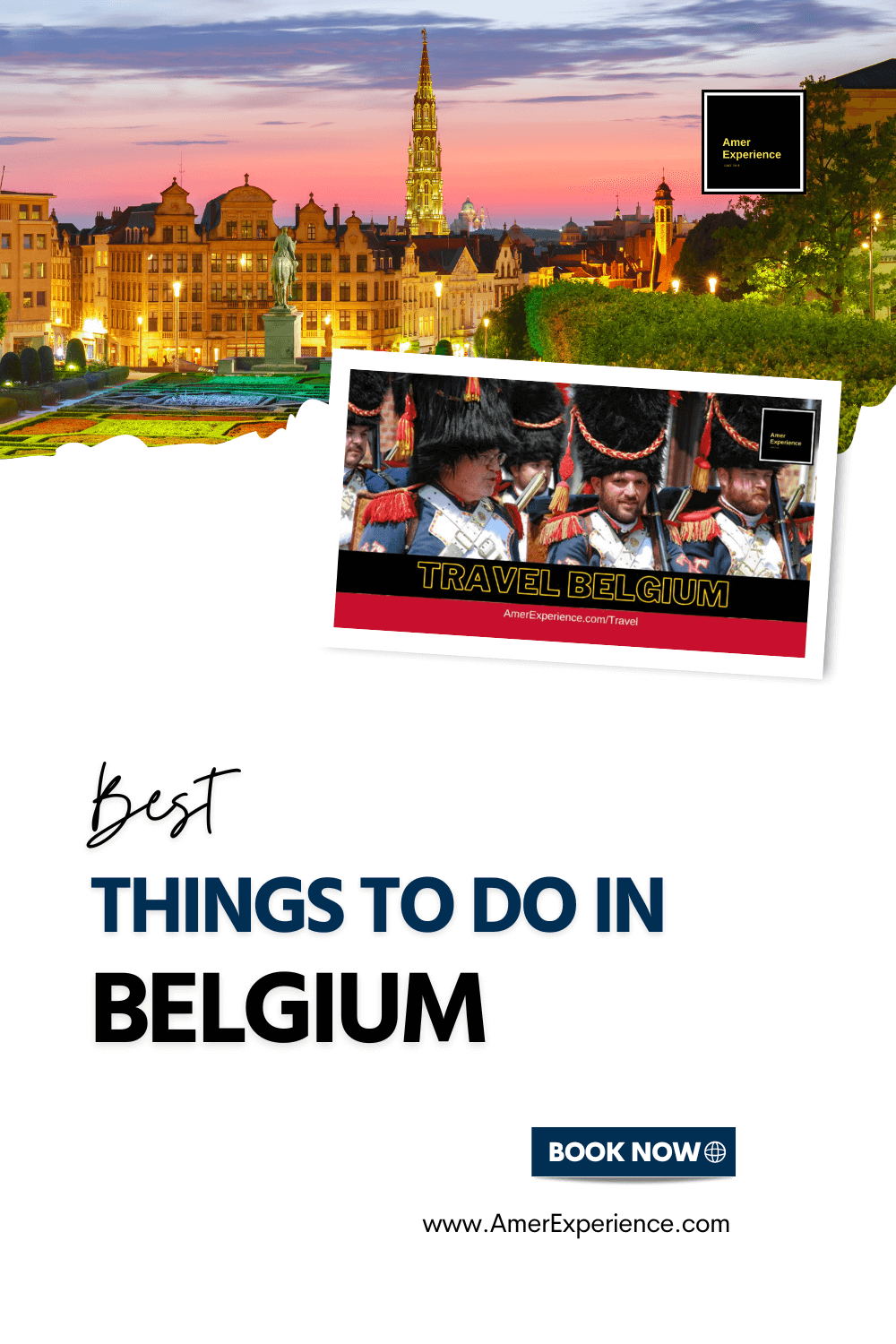
Welcome to our Belgium travel guide.
Warm regards,

Lassi Pensikkala
Destination expert & travel writer
Updated continuously · © Lassi Pensikkala
This guide is part of my 37 Europe and 125+ World Travel Guides, curated from decades of travel experience. Read and download the guides for free here:
👉 Explore the best things to do
in Europe:
Best things to do in Europe – 37 travel guides
Related guides
• Best things to do in Netherlands
• Best things to do in Germany
The Best Travel Destination Tool
345,000+ Things to Do • Millions of Reviews • Lowest Price Guarantee • 24/7 Global Support
Check it out these and more tours in Belgium 🇧🇪!

Disclosure: As an affiliate, I may earn from qualifying purchases made through links on this page at no additional cost to you.
Disclosure: As an affiliate, I earn from qualifying purchases made through links in this post at no extra cost to you.
Belgium, a small yet culturally rich country in Western Europe, is known for its medieval towns, diverse landscapes, and culinary delights. Here are some general facts about Belgium:
- Capital and Languages: Brussels serves as both the capital of Belgium and the de facto capital of the European Union. The country has three official languages: Dutch, French, and German.
- Geography: Belgium is characterized by flat coastal plains in the northwest, rolling hills in the central region, and the Ardennes forest in the south. The country’s strategic location has contributed to its historical significance.
- European Union Headquarters: Belgium hosts the headquarters of the European Union and NATO, playing a crucial role in European politics and diplomacy.
- Cultural Heritage: Belgium has a rich cultural heritage, with medieval cities like Bruges and Ghent boasting well-preserved architecture, including historic guildhalls and impressive cathedrals.
- Chocolate and Beer: Belgium is renowned for its high-quality chocolate and diverse beer culture. Belgian chocolates, with their exquisite flavors and craftsmanship, are sought after worldwide. The country also produces a vast array of unique and flavorful beers.
- Art and Comics: Belgium has a strong tradition in the arts, with famous painters like Rene Magritte and Pieter Bruegel the Elder hailing from the country. Additionally, Belgium is known for its comic strip heritage, with characters like Tintin and the Smurfs gaining international fame.
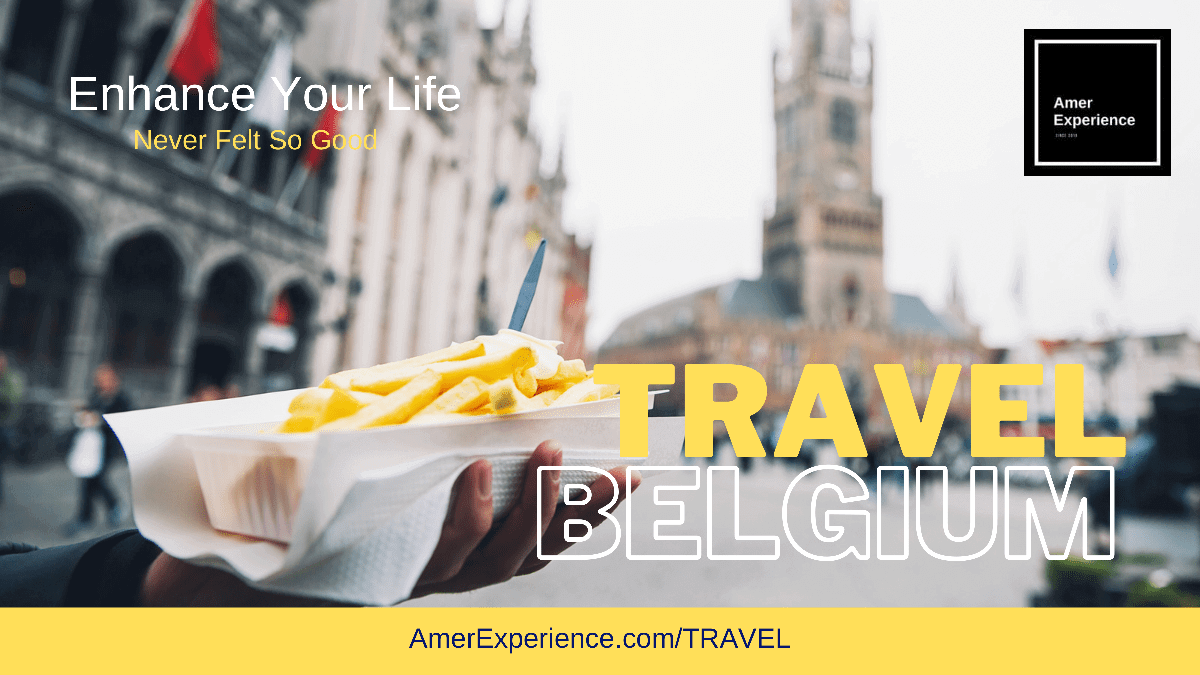
- Waffles and Fries: Belgian waffles, both the Brussels and Liege varieties, are beloved for their light, fluffy texture and are often enjoyed with an array of toppings. Belgian fries, served with an assortment of sauces, are a popular street food.
- Royal Family: Belgium is a constitutional monarchy, and its royal family, headed by King Philippe, plays a ceremonial role in the country’s governance.
- Diamond District: Antwerp is renowned as the “diamond capital of the world.” Its Diamond District is a major trading center for diamonds, and the city has a rich history in the diamond trade.
- Carnival of Binche: The Carnival of Binche, recognized by UNESCO, is a vibrant and unique celebration featuring Gilles, who wear distinctive costumes and wooden clogs. The carnival has deep-rooted traditions and is a significant cultural event.
- Multicultural Identity: Belgium’s multicultural identity is reflected in its diverse population and the coexistence of different linguistic communities. This diversity contributes to the country’s unique cultural tapestry.
In summary, Belgium’s charm lies in its blend of historical significance, cultural richness, and culinary delights. Whether exploring medieval cities, indulging in exquisite chocolates, or savoring flavorful beers, Belgium offers a tapestry of experiences for visitors to enjoy.
Belgium Things To Do Travel – Tours, Tickets & Activities – Things To Do In Brussels Bruges Ghent Antwerp Leuven Liège Mechelen Namur Charleroi Ypres Mons Ostend Kortrijk Hasselt Tournai Aalst Vilvoorde La Louvière Seraing Verviers Halle Lier Dendermonde Dinant Geel Turnhout Menen Roeselare Sint-Niklaas Mouscron Wavre Binche Genk Geraardsbergen Waregem Lokeren Ottignies-Louvain-la-Neuve Sint-Truiden Beringen Tienen Châtelet Ninove Lommel Bilzen Tongeren Schaerbeek Durbuy Arlon Oudenaarde Anderlecht Deinze, and more beautiful destinations in Belgium
Discover More Things To Do In Brussels Belgium 🇧🇪!
Español – Français – Portugués – Dansk – Deutsch – Italiano – Nederlands – Norsk – Svenska – 日本語 – Suomi
Compare hotel prices in Belgium 🇧🇪

”With more than 30 years of experience in the International Travel Business, I am convinced it is easier to get there to your travel destination than to find Amazing Experiences and Activities Wherever You Go.
The Viator booking tool that we use on our website AmerExperience.com/Travel is part of Tripadvisor, the world’s largest travel platform. Explore hundreds of millions of traveler reviews and opinions. It has the widest offer, the lowest prices, and 24/7 global support. That’s why we chose Viator. We recommend to use it for safe and easy-to-use reservations.
Explore More AmerExperience Travel Guides
• Europe – 37 Free Travel Guides
• Latin America – 20 Free Travel Guides
• Scandinavia – 25 Free Travel Guides
Frequently Asked Questions About Visiting Belgium
How many days do I need in Belgium?
Three to four days is enough to see Brussels, Bruges, and Ghent without rushing. Belgium is small and the train network connects its main cities in under an hour, so even a week lets you add Antwerp and the Flanders battlefields around Ypres at a relaxed pace.
When is the best time to visit Belgium?
Late spring (May–June) and early autumn (September) bring mild weather and smaller crowds than summer. December has its own appeal, when Brussels and Bruges fill with Christmas markets — book accommodation well ahead if you’re traveling then, since rooms in the historic centers sell out early.
Is Belgium expensive to visit?
Belgium sits in the mid-range for Western Europe — cheaper than Switzerland or the Netherlands, similar to France. Trains, museum entries, and street food (fries, waffles) keep daily costs manageable; sit-down restaurant meals and central hotel rooms in Bruges or Brussels are where the budget stretches most.
Should I stay in Brussels, or visit Bruges and Ghent as day trips?
Brussels is the most practical base if you’re also visiting Antwerp or Ypres, since train lines radiate out from there. But if Bruges and Ghent are your priority, staying one or two nights in each is worth it — both are best experienced early morning or evening, once the day-trip crowds from Brussels have gone home.
Do I need a car in Belgium, or is public transport enough?
Public transport covers this trip well. Belgium’s train network links every major city directly, and city centers like Bruges and Ghent are compact and walkable — a car adds parking hassle without saving real time between the main destinations.
Advertisement
This web site contains links and affiliate links to other web sites (as affiliate partner we get commissions paid for the sales made by these web sites). Some of those web sites may be operated by third parties. As an Amazon Associate we earn from qualifying purchases.
Privacy statement / Affiliatelinks