

English | Deutsch | All Balkans travel guides ↗
This Albania travel guide covers the country’s essential stops — from Tirana’s squares and museums to the Albanian Riviera’s coastline and the mountain fortress town of Krujë. Albania has moved fast from overlooked neighbor to genuine Balkan destination, and the sites below are the ones worth building a trip around.
What follows is a practical route through the country’s ten strongest attractions, along with the planning details — timing, duration, food, and logistics — that make the difference between a rushed stopover and a trip worth taking.
This guide draws on more than 30 years in international destination management, working with tour operators, hotels, and DMCs across Europe and beyond — the same practical, commercial lens applied here to help you plan an Albania trip that’s secure where it needs to be and open to discovery where it counts.
Explore Albania’s unforgettable experiences
→ Compare Albania with neighboring Balkan destinations
→ Browse all 37 Europe travel guides
→ See top-rated tours and activities in Albania →
Map of Tirana Albania 🇦🇱 with Travel & Destination Photos
Current weather in Tirana Albania 🇦🇱
Best Time to Visit Albania
May, June, and September are the strongest months. The Riviera coast gets crowded and hot in July and August, with temperatures regularly above 35°C and beach towns like Saranda and Dhërmi at their busiest and most expensive. Spring and early autumn give you warm sea temperatures without the peak-season prices or crowds. Tirana works year-round as a city break, but winter (December–February) is cold and grey, and mountain areas like Mt. Dajti can see snow closures. If you want both the coast and the Alps in one trip, late May or early September is the window where both are open and pleasant. In my experience, travelers who visit in shoulder season get noticeably better value on hotels along the Riviera than those who book for peak summer.
How Many Days Do You Need in Albania?
Three to four days covers Tirana and a day trip to Krujë comfortably. To add the Albanian Riviera — Saranda, Dhërmi, Ksamil — plan on 7 to 10 days total, since the coastal drive from Tirana takes several hours each way and the roads are winding. Ten days lets you combine Tirana, Krujë Castle, the Riviera beaches, and a slower pace without feeling rushed between stops. If you’re combining Albania with a wider Balkans trip — Montenegro or North Macedonia — budget at least 4 to 5 days just for Albania so it doesn’t become a single overnight stop. Fewer than three days limits you to Tirana alone; that’s a reasonable trip, but not a full picture of the country.
Local Food & Drinks in Albania
Albanian food blends Ottoman, Italian, and Balkan influences. Byrek — a flaky pastry filled with cheese, spinach, or meat — is sold everywhere and makes a good cheap breakfast. Tavë kosi, baked lamb with yogurt and rice, is a national dish worth ordering in Tirana. Along the coast, fresh grilled fish and seafood dominate menus, often simpler and cheaper than in neighboring Italy or Greece. Raki, a strong fruit brandy, is the standard welcome drink and often offered free after a meal — pace yourself, it’s stronger than it looks. Turkish-style coffee (kafe turke) is common in older cafés, while younger, more international spots in Tirana serve espresso-based drinks. One thing I’ve learned: family-run restaurants away from the main tourist strips in Saranda and Tirana consistently offer better value and fresher food than places directly on the main squares.
Practical Travel Tips for Albania
Cash is still preferred outside Tirana and larger hotels — carry euros or Albanian lek, and don’t assume card acceptance in smaller coastal towns or mountain areas. A rental car opens up the Riviera and the Alps far more easily than public transport, which is limited to intercity buses (furgons) with irregular schedules. Roads along the coast are scenic but narrow and slow, so build extra time into any drive. My own approach to trips like this is what I call the 60/40 rule: lock in about 60% of the trip in advance — key hotels, the must-do tours, transport between Tirana and the coast — so the logistics are secure, and leave the remaining 40% open for spontaneous stops, a beach you didn’t plan for, or a village recommended by a local. Book the fixed pieces ahead of time and leave room to wander the rest.
These are the TOP 10 attractions in Albania 🇦🇱:
10. Skanderbeg Monument→
Standing proudly in Skanderbeg Square, the Skanderbeg Monument pays homage to Gjergj Kastrioti Skanderbeg, a national hero who led the resistance against the Ottoman Empire in the 15th century. Erected in 1968, the monument is not just a tribute to Skanderbeg’s courage and leadership; it also symbolizes Albania’s enduring spirit and determination in the face of adversity. The impressive statue, crafted from bronze and standing at an imposing height, captures the essence of Albania’s struggle for independence and is a central focal point in the heart of Tirana, surrounded by vibrant cafes, historical buildings, and the lush greenery of the square. This monument serves as a gathering place for locals and tourists alike, inviting them to reflect on the rich history of the country and the legacy of its most celebrated figure.
9. Dajti Express Cable Car (Dajti Ekspres)→
Embark on a scenic journey from the heart of Tirana to the summit of Mt. Dajti via the Dajti Express Cable Car, an exhilarating experience that is not to be missed. This modern cable car glides smoothly above the lush greenery, offering breathtaking views of the landscape below, while also allowing passengers to spot the vibrant cityscape of Tirana nestled in the valley. As you ascend, the panoramic vistas transform, revealing the majestic peaks of the Albanian Alps in the distance. The ride itself is a perfect blend of adventure and relaxation, providing both locals and tourists with a convenient escape to the pristine beauty of nature, where one can explore hiking trails, enjoy a picnic, or simply bask in the serenity that Mt. Dajti offers.
Dajti Express Cable Car (Dajti Ekspres)→
8. Tirana Clock Tower (Kulla e Sahatit)→
A symbol of Tirana’s Ottoman past, the Tirana Clock Tower graces the city’s skyline with its majestic presence and striking architectural details. Standing at an impressive height, it invites countless visitors who can climb to the top for breathtaking panoramic views of the capital and the surrounding mountains. As they ascend the winding staircase, guests are treated to glimpses of the vibrant streets below and the harmonious blend of old and new that defines the city. At the summit, the awe-inspiring vistas not only showcase the sprawling urban landscape but also provide a unique perspective on the city’s evolving identity, illustrating the rich history intertwined with modern urban life. Each tick of the clock signifies not just the passage of time but also the enduring spirit of Tirana as it continues to grow and transform.
Tirana Clock Tower (Kulla e Sahatit)→
7. Cave of Pëllumbas (Shpella e Pëllumbasit)→
Nature enthusiasts will find solace in the Cave of Pëllumbas, a hidden treasure near Tirana, often overlooked by the casual traveler yet offering a wealth of natural beauty. This remarkable limestone cave, adorned with stunning stalactites and stalagmites that glisten under the faint light, invites exploration and serves as a testament to the geological wonders that lie beneath Albania’s surface. Visitors can marvel at the intricate formations that have developed over thousands of years, each telling a story of time and natural processes. As they wander through its vast chambers, they might also encounter diverse flora and fauna that thrive in this unique ecosystem, making it not only a geological wonder but also an important habitat for various species. Whether you’re a dedicated spelunker or simply seeking a quiet retreat into nature, the Cave of Pëllumbas promises an unforgettable experience, rich in both adventure and peace.
Cave of Pëllumbas (Shpella e Pëllumbasit)→
6. Tirana National Historical Museum (Muzeu Historik Kombëtar)→
Delve into Albania’s history at the Tirana National Historical Museum, located in the heart of the capital. The museum chronicles the country’s journey from ancient Illyria to the struggles for independence, offering a comprehensive look at Albania’s cultural heritage. As you wander through its thoughtfully curated exhibitions, you will encounter a rich tapestry of artifacts, including traditional costumes, weaponry, and art that reflect the nation’s diverse influences over centuries. The museum not only highlights pivotal moments in Albanian history but also emphasizes the resilience and spirit of its people. Engaging displays bring to life significant events, such as the period of Ottoman rule and the eventual quest for national identity, making it a vital stop for anyone eager to understand the complexities of Albanian culture and history.
Tirana National Historical Museum (Muzeu Historik Kombëtar)→
Travel insurance in minutes

We recommend this because we use it ourselves when traveling. 👉 Get your quote now — fast, secure, and trusted for every trip.
5. Mt. Dajti (Mali i Dajtit)→
Escape the urban bustle and ascend Mt. Dajti, offering breathtaking panoramic views of Tirana and the stunning landscapes that cradle the city beneath. Nestled just a short ride from the capital, this majestic mountain can be easily accessed by the Dajti Express Cable Car, a thrilling experience that adds to the adventure. Once at the top, a wealth of natural bliss awaits you, with an array of winding hiking trails that cater to enthusiasts of all levels. The invigorating fresh air revitalizes your senses while providing a serene backdrop perfect for relaxation and reflection. As you traverse the trails, take the time to appreciate Albania’s diverse flora and fauna thriving in this unique ecosystem, where vibrant wildflowers and towering trees coexist, creating a picturesque setting that makes every step worthwhile. Whether you’re seeking solitude in nature, a thrilling adventure, or simply a picturesque view, Mt. Dajti promises an unforgettable escape from the hustle and bustle of city life.
4. Pyramid of Tirana (Enver Hoxha Pyramid)→
A peculiar architectural relic from the Communist era, the Pyramid of Tirana is an intriguing structure that has served various purposes over the years. Originally built as a museum to honor the Communist leader Enver Hoxha, it was designed by a team of Albanian architects and sculptors, emphasizing both the aspirations of the regime and the artistic trends of the time. Today, it stands as a symbol of Albania’s complex history and transition, embodying the tensions between its totalitarian past and the emerging democratic ideals. Over the years, the pyramid has been repurposed as a cultural venue, a youth center, and even a site for music festivals, reflecting the evolving identity of Tirana and its people. As restoration efforts continue, the Pyramid of Tirana remains a focal point for discussions on heritage, memory, and the future of the city.
Pyramid of Tirana (Enver Hoxha Pyramid)→
3. Et’hem Bey Mosque (Xhamia e Et’hem Beut)→
Tucked within the heart of Tirana, the Et’hem Bey Mosque is a true jewel of Ottoman architecture, renowned for its intricate design and historical significance. Built in the late 18th century, this stunning mosque not only showcases the beautiful craftsmanship characteristic of its era but also features exquisite frescoes that depict nature and light, further enhancing its aesthetic appeal. Against the backdrop of political turmoil, it remarkably survived the anti-religious campaigns of the Communist era, becoming a resilient symbol of faith and perseverance. Today, it stands proudly as a beacon of religious tolerance and cultural heritage in modern-day Albania, drawing visitors from around the world who wish to admire its beauty and delve into its rich history.
Et’hem Bey Mosque (Xhamia e Et’hem Beut)→
2. Krujë Castle (Kalaja e Krujës)→
Perched on a hill overlooking the town of Krujë, the Krujë Castle stands as a testament to Albania’s resistance against the Ottoman Empire. This medieval fortress, with its impressive stone walls and ancient towers, not only offers breathtaking views of the surrounding landscape but also houses the National Skanderbeg Museum, showcasing artifacts and stories from the country’s heroic past. Visitors can explore the rich history of the castle, which has been a symbol of national pride and courage for centuries, while learning about the legendary figure of Skanderbeg, who led the Albanian resistance during the 15th century. The castle’s strategic position and architectural brilliance make it not just a historical site, but also a captivating destination for tourists eager to immerse themselves in Albania’s vibrant culture and history.
Krujë Castle (Kalaja e Krujës)→
1. Skanderbeg Square (Sheshi Skënderbej)→
At the heart of Tirana, the capital city, lies Skanderbeg Square, named after Albania’s national hero, Gjergj Kastrioti Skanderbeg. This bustling square serves as a focal point for both locals and tourists alike, surrounded by significant landmarks, government buildings, and the iconic Skanderbeg Monument, commemorating the medieval hero’s legacy. The square is not only a hub for cultural events and gatherings, but it also features beautifully landscaped gardens and ample seating areas where people can relax and enjoy the vibrant atmosphere. Additionally, the nearby National History Museum and the impressive Opera House enhance the square’s significance, making it a must-visit location for anyone exploring the city, as it encapsulates the rich history and spirit of Albania.
Skanderbeg Square (Sheshi Skënderbej)→
Albania’s attractions blend history, culture, and natural beauty, inviting those who seek to explore its unique landscapes and delve into the stories that have shaped this Balkan nation.
Check out these and more things to do in Albania 🇦🇱!
Plan your trip
Tours & activities
Discover top-rated travel experiences worldwide.
Flights & hotels
Compare places to stay and plan your journey.
RecommendedTravel insurance
Prepare for unexpected situations during your trip.
Travel safety
Safety guidance, emergency numbers and useful contacts.

125 Travel Destination Guides
Explore curated destination guides for the USA, Europe, Latin America and Scandinavia.
Recognized within Google’s AI-powered travel search results.
A growing travel-guide network covering the USA, Europe, Latin America and Scandinavia.
International insights for business travellers, entrepreneurs and decision-makers.
Download the ebooks →Disclosure: As an affiliate, I earn from qualifying purchases made through links on this page at no extra cost to you.
Start browsing all travel destination guides — free access

Disclosure: As an affiliate, I earn from qualifying purchases made through links in this post at no extra cost to you.
Nestled in the heart of the Balkan Peninsula, Albania stands as a captivating destination, often overlooked but rich in history, culture, and natural beauty. This essay endeavors to unravel the diverse facets of Albania, providing insights into its geography, history, cultural heritage, and the warmth of its people. From ancient civilizations to modern resilience, Albania emerges as a hidden gem waiting to be discovered.
Geography and Landscape
1.1 Geographic Location:
Albania is strategically positioned on the western side of the Balkan Peninsula, bordered by Montenegro to the northwest, Kosovo to the northeast, North Macedonia to the east, and Greece to the south. Its western coastline is lapped by the Adriatic and Ionian Seas, offering stunning vistas and pristine beaches.
1.2 Diverse Topography:
The country boasts a diverse topography, from the rugged Albanian Alps in the north to the picturesque coastline in the west. Lush forests, expansive plains, and deep river valleys add to the varied landscapes, making Albania a destination that caters to nature enthusiasts and adventure seekers alike.
1.3 Albanian Riviera:
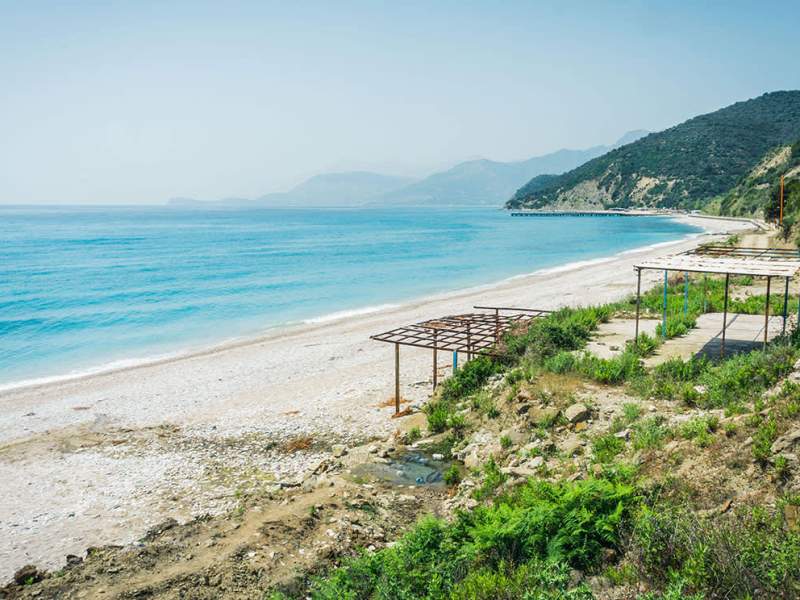
The Albanian Riviera, along the Ionian Sea, is renowned for its pristine beaches, crystal-clear waters, and charming coastal villages. The combination of natural beauty and a laid-back atmosphere makes it an emerging destination for those seeking an unspoiled Mediterranean experience.
History and Heritage
2.1 Illyrian Civilization:
Albania’s history is deeply rooted in the ancient Illyrian civilization, one of the oldest in the Western Balkans. The Illyrians left their mark on the region, and traces of their legacy can be found in archaeological sites and cultural artifacts scattered across the country.
2.2 Ottoman and Communist Eras:
Albania endured centuries of Ottoman rule, shaping its cultural and architectural landscape. In the 20th century, the country experienced the tumultuous era of communism under Enver Hoxha, leaving behind a unique legacy seen in structures like the Pyramid of Tirana.
2.3 Independence and Modern Albania:
Albania declared its independence from the Ottoman Empire in 1912, marking the birth of a modern nation. Despite the challenges of the 20th century, Albania has emerged as a resilient and dynamic country, eager to embrace its European identity and forge new paths.
Cultural Heritage
3.1 Multiculturalism:
Albania prides itself on its rich cultural heritage, shaped by a unique blend of influences from the Illyrians, Romans, Byzantines, Venetians, and Ottomans. This multicultural tapestry is reflected in the country’s language, traditions, and cuisine.
3.2 Language and Identity:
Albanian, one of the oldest languages in Europe, plays a pivotal role in preserving the nation’s identity. The Albanian people, known for their hospitality, take pride in their language as a symbol of continuity and cultural distinctiveness.
3.3 Folk Traditions and Music:
Traditional folk music and dance are integral to Albanian culture, with regional variations reflecting the diversity of the country. The iso-polyphony, recognized by UNESCO, is a unique form of vocal music that showcases the harmony and complexity of Albanian musical traditions.
Contemporary Albania
4.1 Economic Development:
In recent years, Albania has undergone significant economic development and modernization. Infrastructure improvements, including the construction of highways and investments in the energy sector, signal a growing economy and increased connectivity.
4.2 European Integration:
Albania aspires to join the European Union, reflecting its commitment to European values and standards. The accession process is a crucial aspect of the country’s foreign policy, aiming to strengthen ties with its European neighbors.
4.3 Resilient Spirit:
Albania’s journey from a closed and isolated state during the communist era to a nation eager to engage with the world showcases its resilient spirit. The people’s determination to embrace democracy and build a prosperous future is evident in the country’s ongoing transformation.
Conclusion
Albania, with its rich history, diverse landscapes, and warm hospitality, invites travelers to embark on a journey of discovery. From the ancient ruins that whisper tales of the past to the vibrant cities that embody the spirit of modern Albania, this small Balkan nation stands as a testament to the enduring beauty of the human and natural landscapes. As Albania continues to unveil its treasures, it beckons adventurers to explore its hidden gems and experience the unique charm that defines this captivating destination.
Albania 🇦🇱- More travel articles



Frequently Asked Questions About Albania
How many days do I need in Albania?
Three to four days covers Tirana and Krujë. To add the Albanian Riviera, plan on 7 to 10 days total, since the coastal drive from Tirana takes several hours each way.
When is the best time to visit Albania?
May, June, and September are the strongest months — warm enough for the coast without the July–August crowds and peak prices. Winter is cold and grey, with mountain areas prone to snow closures.
Is Albania expensive to visit?
Albania is one of the more affordable destinations in Europe, with lower hotel, food, and transport costs than neighboring Italy, Greece, or Croatia — though Riviera prices rise sharply in peak summer.
Should I stay in Tirana or explore the Albanian Riviera?
Warm regards,

Lassi Pensikkala
Destination expert & travel writer
Updated 2026 · © Lassi Pensikkala
This guide is part of my 125 USA, Europe, Latin America and Scandinavia Travel Guides, curated from decades of travel experience. Read and download the guides for free here
Claim Your Free Collection Now
AmerExperience is one of the most comprehensive independent multilingual travel publishing platforms covering destinations across Europe, the Americas, and beyond.
The world is waiting. Get your hands on the most ambitious free travel resource.
Disclosure: As an affiliate, I earn from qualifying purchases made through links in this post at no extra cost to you.