
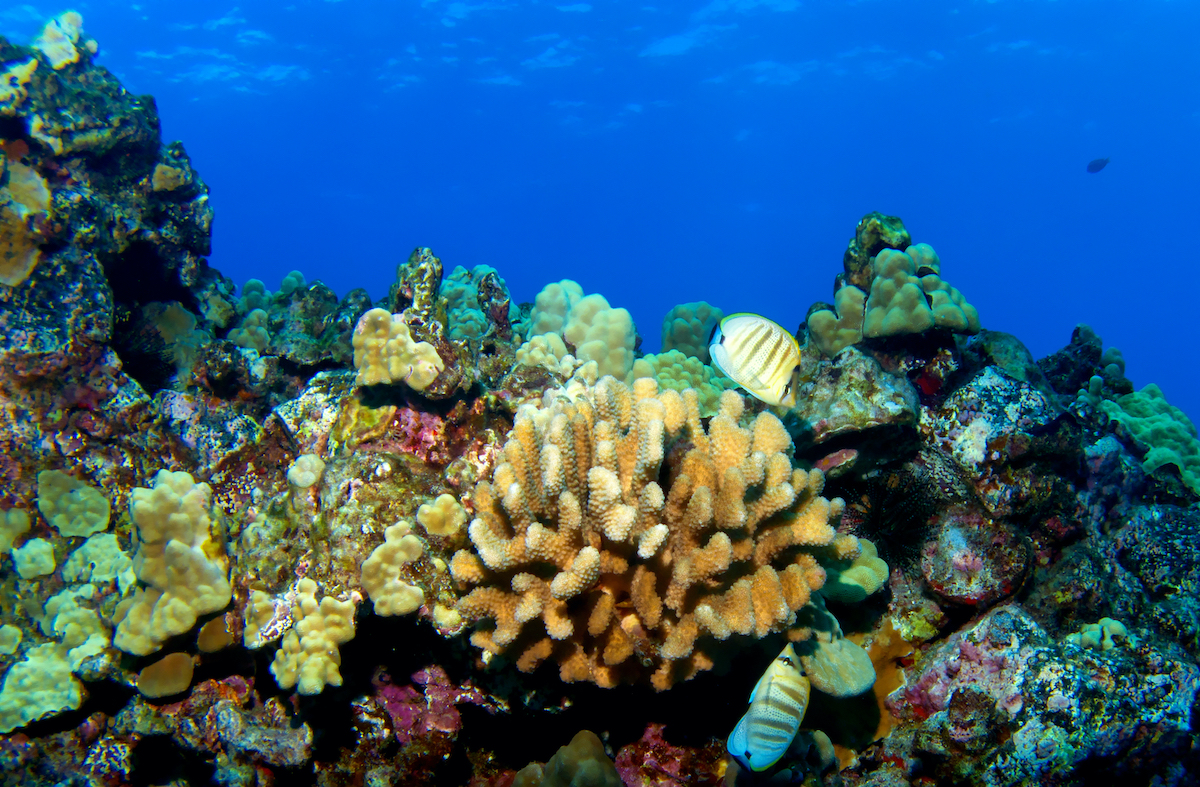
The shift in environmental policy across the Hawaiian Islands marks a pivotal moment in how global tourism hubs manage their most fragile natural assets. The ban few years ago on non-mineral sunscreens in Hawaii County—encompassing the entirety of the Big Island—is more than just a local ordinance; it is a masterclass in destination management and regenerative exploration. By restricting the sale and distribution of sunscreens containing chemicals like oxybenzone and octinoxate, Hawaii is prioritizing the long-term health of its coral reefs over short-term consumer convenience.
Plan your trip
Tours & activities
Discover top-rated travel experiences worldwide.
Flights & hotels
Compare places to stay and plan your journey.
RecommendedTravel insurance
Prepare for unexpected situations during your trip.
Travel safety
Safety guidance, emergency numbers and useful contacts.

125 Travel Destination Guides
Explore curated destination guides for the USA, Europe, Latin America and Scandinavia.
Recognized within Google’s AI-powered travel search results.
A growing travel-guide network covering the USA, Europe, Latin America and Scandinavia.
International insights for business travellers, entrepreneurs and decision-makers.
Download the ebooks →Disclosure: As an affiliate, I earn from qualifying purchases made through links on this page at no extra cost to you.
The Science of Scarcity and Conservation
Coral reefs are the biological backbone of the Hawaiian archipelago. They act as natural breakwaters, provide habitat for thousands of marine species, and serve as the primary draw for millions of international visitors. However, research has shown that the chemical filters found in traditional sunscreens can cause coral bleaching and DNA damage, even in minute concentrations.
From a logistical standpoint, the transition to mineral-only sunscreens (zinc oxide and titanium dioxide) requires a shift in traveler behavior. In the past, visitors might have packed whatever was available at their local pharmacy. Today, “Logistical Intelligence” means auditing your gear before you even leave home. Since I have over 40 years of international experience in the travel business and destination management, I have seen how these regulatory shifts—initially viewed as “inconvenient”—eventually become the gold standard for high-value tourism. When we protect the asset (the reef), we protect the entire economic ecosystem of the island.
While the ban is currently most stringent in Hawaii County, the ethos of reef-safe protection has permeated all the major islands. Each island represents a different “world” of the Hawaiian experience, and understanding the local nuances is key to a successful itinerary.
• The Big Island (Hawaii County): As the epicenter of the latest sunscreen legislation, the Big Island is leading the way in marine conservation. Whether you are exploring the volcanic landscapes of the south or snorkeling in the pristine waters of the Kona coast, mineral protection is non-negotiable. To see how these environmental policies integrate with the island’s raw power, explore our guide on the best things to do on the Big Island of Hawaii.
• Maui: Known for its world-class beaches and the towering Haleakala, Maui has also implemented similar restrictions to protect the Molokini Crater and its coastal reefs. The focus here is on “Slow Travel”—taking the time to understand the delicate balance between the mountain and the sea. Discover the strategic highlights of the Valley Isle in our guide to the best things to do in Maui.
• Oahu: As the primary gateway for international arrivals, Oahu manages the highest volume of visitors. The challenge here is implementing large-scale conservation in high-traffic areas like Hanauma Bay. For a professional overview of managing a trip to the gathering place, consult our best things to do in Oahu.
• Kauai: The “Garden Isle” offers some of the most rugged coastal scenery in the world. Its reefs are vital to the health of the Na Pali Coast. Protecting these waters is essential for anyone following the best things to do in Kauai, where nature remains the primary attraction.
The Professional Strategy for the Modern Explorer
To ensure a high-quality experience that aligns with Hawaii’s conservation goals, I recommend using the best tools, Viator and GetYourGuide, to compare the offer of snorkel tours, volcano expeditions, and prices. These platforms provide exhaustive information and verified customer reviews, ensuring that the operators you choose are “reef-safe” and compliant with local laws.
• The “Millionaire’s Mind” on Conservation: True luxury in travel today is the ability to visit a pristine environment. Investing in high-quality mineral sunscreen and UV-rated rash guards is a smart logistical move. It protects your skin more effectively than chemical sprays and ensures you are contributing to the regeneration of the destination.
• UV Apparel Over Lotions: From a destination management perspective, the most effective way to reduce chemical load on the reefs is to wear it. UV-rated swim shirts and leggings reduce the amount of sunscreen needed by up to 90%, a strategy used by professional divers and boat captains worldwide.
• Verify Your Labels: Not all sunscreens labeled “reef-safe” are created equal. The Hawaii ban specifically targets chemical filters. Look for “Non-Nano Zinc Oxide” as the only active ingredient to ensure total compliance and maximum environmental protection.
Creating High-Value Tourism Through Regulation
The sunscreen ban is a signal to the global travel market that Hawaii is no longer interested in high-volume, low-impact tourism. It is moving toward a model of “Regenerative Exploration,” where the visitor is an active participant in the preservation of the island. This creates a higher “Return on Experience.” When you snorkel in a reef that is thriving rather than dying, the value of your vacation increases exponentially.
As we look at the 125 travel guides and the massive traffic we aim to generate for AmerExperience.com, these environmental insights are what set a professional guide apart from a generic blog. We provide the “Boots-on-the-Ground” reality that helps travelers navigate complex local laws while maximizing their enjoyment of the islands’ natural wonders.
Frequently Asked Questions (FAQ)
1. Can I bring my own sunscreen to Hawaii if it contains prohibited chemicals?
While enforcement is primarily at the point of sale and distribution, it is highly discouraged. Many tours and national parks in Hawaii now perform bag checks or require “reef-safe” certification for participants. To avoid logistical friction, it is best to pack only mineral-based sunscreens.
2. Does mineral sunscreen work as well as chemical sunscreen?
Yes, and in many cases, it is superior. Mineral sunscreens provide a physical block that reflects UV rays immediately upon application, whereas chemical sunscreens require 20 minutes to absorb. For the intense Hawaiian sun, a high-percentage Zinc Oxide cream provides the best long-term protection.
3. Where can I buy compliant sunscreen in Hawaii?
Local retailers across the Big Island, Maui, and Oahu have completely transitioned their stock. You will find a wide variety of local Hawaiian mineral brands in grocery stores, surf shops, and ABC Stores. Buying locally also supports the regional economy.
The original story in TravelAwaits
How to find cheap flights to Hawaii USA 🇺🇸?
New York Best Things To Do
60 US Destinations Best Things To Do
AmerExperience The Only Multilingual Travel Insider Magazines
Additional in 11 languages
Español – Français – Portugués – Dansk – Deutsch – Italiano – Nederlands – Norsk – Svenska – 日本語 – Suomi
Warm regards,

Lassi Pensikkala
Destination expert & travel writer
Updated 2026 · © Lassi Pensikkala
This guide is part of my 125 USA, Europe, Latin America and Scandinavia Travel Guides, curated from decades of travel experience. Read and download the guides for free here
Claim Your Free Collection Now
AmerExperience is one of the most comprehensive independent multilingual travel publishing platforms covering destinations across Europe, the Americas, and beyond.
The world is waiting. Get your hands on the most ambitious free travel resource.
Disclosure: As an affiliate, I earn from qualifying purchases made through links in this post at no extra cost to you.
125 Free Travel Guides
Explore our collection of free travel guides for Europe, the USA and Latin America, created for travelers who want practical destination insight in one place.
Find more curated travel experiences and book safely with trusted partners on our Travel Hub → AmerExperience Travel Hub
