

Bosnia and Herzegovina Travel Guide – Bosnia and Herzegovina is one of Europe’s most fascinating destinations, where Ottoman heritage, Austro-Hungarian architecture and dramatic Balkan landscapes come together. From Sarajevo’s atmospheric old quarters and Mostar’s celebrated stone bridge to waterfalls, mountain valleys and historic towns, the country rewards travellers with culture, nature and memorable local experiences.
Drawing on more than three decades of international destination management and travel experience, this guide brings together practical planning tools, carefully selected recommendations and an informed international perspective in one place. You can prepare with confidence, make informed decisions and use your time effectively while discovering the history, landscapes and cultural character of Bosnia and Herzegovina.
Explore Bosnia and Herzegovina’s unforgettable experiences
• Explore tours and experiences across Bosnia and Herzegovina ↗ – discover cultural landmarks, historic cities, natural attractions and experiences throughout the country.
• Discover Sarajevo through guided walking tours ↗ – explore Baščaršija, the Latin Bridge, religious landmarks and streets shaped by Ottoman and Austro-Hungarian history.
• Experience the history and atmosphere of Mostar ↗ – see the Old Bridge, walk beside the Neretva River and discover the cultural heritage of Herzegovina.
• Explore day trips across Bosnia and Herzegovina ↗ – visit places such as Blagaj, Počitelj, Kravice Waterfalls, Jajce and Travnik while experiencing more of the country beyond its main cities.
Plan your Bosnia and Herzegovina trip
Tours in Sarajevo & Mostar · Hotels nationwide
Map of Sarajevo Bosnia Herzegovina 🇧🇦 with Travel & Destination Photos
Current weather today in Bosnia Herzegovina 🇧🇦
Travel insurance in minutes

We recommend this because we use it ourselves when traveling. 👉 Get your quote now — fast, secure, and trusted for every trip.
Best Time to Visit Bosnia and Herzegovina
May to September brings the warmest weather, ideal for the waterfalls, river valleys and hiking trails outside Sarajevo and Mostar. Crowds stay lighter than in Croatia even at the height of summer. April, May, September and October are the shoulder months: mild temperatures, lower hotel prices, and Stari Most in Mostar without the midday rush of day-trippers arriving from Dubrovnik and Split. Winter (December–February) turns Sarajevo into a ski-adjacent city, with Jahorina and Bjelašnica an hour away, though many rural roads and smaller attractions slow down or close. In my experience, shoulder season gives the best balance of good weather and working infrastructure. Whatever month you choose, book Mostar and Sarajevo accommodation ahead if you’re travelling June through August — rooms in the old towns are limited and fill early.
How Many Days Do You Need?
Two full days is enough for Sarajevo’s old town, its museums and the Tunnel of Hope. Add a day for Mostar and the Herzegovina waterfalls, and you have a solid four-day trip. Five to seven days lets you add Blagaj, Počitelj and Kravice without rushing between sights. Ten days opens up Una National Park, Trebinje and Jajce, all outside the standard first-timer route. Bosnia and Herzegovina rewards a slower visit more than most Balkan countries — distances are short, but roads are winding, and rushing between towns wastes the best parts of the trip. If I were planning this trip today, I’d fix Sarajevo and Mostar accommodation in advance and leave the rest of the route open once I arrived. Even a long weekend covers the highlights if Sarajevo and Mostar are all the time you have.
Local Food & Drinks
Bosnian food reflects the country’s Ottoman and Central European history in equal measure. Ćevapi — grilled minced-meat sausages served in flatbread with onions and kajmak — is the dish most visitors try first, and a full portion rarely costs more than a few euros. Burek, a flaky pastry filled with meat, cheese or spinach, works as breakfast, lunch or a late-night snack. Sarma and dolma, stuffed cabbage rolls and peppers, show up on most traditional menus, especially in winter. Bosnian coffee, brewed slowly in a copper džezva and served with a cube of sugar, is a ritual, not a quick drink — plan to sit for it, not take it to go. Restaurant meals are inexpensive by Western European standards, and portions run generous. One thing I’ve learned: skip the tourist-menu restaurants directly on Baščaršija’s main square and walk two streets over for the same food at local prices.
Practical Travel Tips
The currency is the Convertible Mark (BAM), pegged to the euro; euros are widely accepted in tourist areas but change comes back in BAM. Cards work in most Sarajevo and Mostar hotels and restaurants, but carry cash for smaller towns, bakeries and market stalls. Both cities charge a small per-night tourist tax, usually collected at check-in. ATMs give better rates than currency exchange counters. This is the foundation of the 60/40 approach I use when planning any trip: book the fixed 60% — your Sarajevo and Mostar hotels, and any tours you specifically want — ahead of time so the trip has a backbone. Leave the other 40% open for the wrong-turn discoveries and the recommendation from a hotel owner that turns into the best afternoon of the trip. That’s usually where a trip becomes memorable rather than just completed. No car is required if you stick to Sarajevo and Mostar and book day tours for Kravice and Blagaj.
Plan your trip
Tours & activities
Discover top-rated travel experiences worldwide.
Flights & hotels
Compare places to stay and plan your journey.
RecommendedTravel insurance
Prepare for unexpected situations during your trip.
Travel safety
Safety guidance, emergency numbers and useful contacts.

125 Travel Destination Guides
Explore curated destination guides for the USA, Europe, Latin America and Scandinavia.
Recognized within Google’s AI-powered travel search results.
A growing travel-guide network covering the USA, Europe, Latin America and Scandinavia.
International insights for business travellers, entrepreneurs and decision-makers.
Download the ebooks →Disclosure: As an affiliate, I earn from qualifying purchases made through links on this page at no extra cost to you.
These are the TOP 10 attractions in Bosnia and Herzegovina 🇧🇦:
Embark on a journey through these Top 10 attractions, and let Bosnia and Herzegovina’s rich history and captivating landscapes unfold before you. As you traverse this enchanting land, you will encounter ancient cities, breathtaking mountains, and serene rivers that beckon adventurers and history enthusiasts alike, each turn offering a new surprise and a glimpse into the past. Each site narrates a unique story, from the medieval architecture of Mostar’s famous bridge, which stands as a testament to resilience and cultural fusion, to the haunting remnants of the Ottoman Empire in the capital, Sarajevo, where the echoes of historical events still resonate today. You will witness the stunning natural wonders of the Kravice Waterfalls, where crystal clear waters cascade down the rocky cliffs, inviting you to pause and reflect. These diverse locations contribute to the mosaic of experiences that make this Balkan nation a truly remarkable destination, inviting visitors to immerse themselves in its cultural heritage and natural beauty while savoring the warmth and hospitality of its people, who are eager to share their stories, traditions, and delicious cuisine, ensuring that your journey is not only memorable but also deeply enriching.
10. Pocitelj→
Our journey concludes in the ancient town of Pocitelj, perched on the banks of the Neretva River, where time seems to stand still. This well-preserved architectural ensemble showcases a harmonious blend of medieval and Ottoman influences, with its imposing fortress, intricately designed mosques, and picturesque streets that curve gracefully through the landscape. As you walk through Pocitelj, the scent of traditional Bosnian cuisine wafts through the air, inviting visitors to experience the culinary delights of the region. The vibrant colors of the local crafts and the warm hospitality of the residents further enhance the charm of this historic gem. With every step, Pocitelj reveals itself as a living testament to the cultural fusion that defines Bosnia and Herzegovina, telling stories of resilience and artistry that resonate through the ages.
9. Mostar Clock Tower (Sahat Kula)→
Rising above the picturesque skyline of Mostar is the Sahat Kula, the Mostar Clock Tower, which stands as a testament to the city’s rich cultural heritage. This stunning Ottoman-era timepiece is not just a functional landmark that helps residents and visitors alike keep track of the passing hours but also a deeply cherished symbol of the city’s historical charm and resilience. Erected during a time when the Ottoman Empire was at its height, the tower has witnessed countless changes throughout the years while remaining a steadfast presence in the vibrant landscape of Mostar. Visitors can ascend the tower for panoramic views of Mostar and the iconic Stari Most, capturing the breathtaking beauty of the river, the surrounding hills, and the intricate architecture that defines this unique city. The ascent itself is an experience filled with history, as each flight of stairs brings one closer to the stories that echo within the walls of this ancient structure.
Mostar Clock Tower (Sahat Kula)→
8. Blagaj Monastery (Blagaj Tekija)→
Nestled at the base of a towering cliff, the Blagaj Monastery is a tranquil retreat near Mostar, offering a serene escape from the hustle and bustle of everyday life. This remarkable Dervish monastery, dating back to the 16th century, seamlessly combines stunning natural surroundings with profound spiritual significance. Surrounded by lush greenery and the gentle sounds of the flowing Buna River, the Tekija exudes an aura of serenity that captivates visitors, making it a must-visit stop for those exploring the region. The rich history and architectural beauty of the monastery invite contemplation and reflection, allowing guests to delve into the spiritual practices of the Dervish order while enjoying breathtaking views of the ancient landscape that envelops it.
Blagaj Monastery (Blagaj Tekija)→
7. Gazi Husrev-beg Mosque→
In the heart of Sarajevo, the Gazi Husrev-beg Mosque stands as a masterpiece of Ottoman architecture, captivating visitors with its stunning design and historical significance. Named after the Ottoman governor Gazi Husrev-beg, this mosque has been a symbol of religious and cultural coexistence for centuries, reflecting Bosnia and Herzegovina’s diverse heritage. The intricate calligraphy and ornate decorations that adorn its walls showcase the skill of the artisans of the time, while the serene courtyard offers a peaceful retreat for both worshippers and tourists alike. Surrounded by bustling bazaars and cafes, the mosque not only serves as a place of worship but also as a vibrant center of community life, where people of different backgrounds gather to appreciate a shared history. The Gazi Husrev-beg Mosque remains a testament to the rich tapestry of influences that have shaped the region, embodying the spirit of unity amidst diversity that defines Sarajevo.
6. Medjugorje→
A place of pilgrimage and spiritual significance, Medjugorje attracts visitors seeking solace and reflection. Known for the reported apparitions of the Virgin Mary, this small town has become a destination for believers and curious souls alike, drawn by its religious aura and serene ambiance. Each year, thousands make the journey to this sacred site, where the enchanting landscape serves as a backdrop to their spiritual quests. Visitors often partake in prayer, attend Mass, and explore the surrounding hills, which offer breathtaking views that enhance the meditative experience. The local community warmly welcomes pilgrims with open arms, providing a sense of belonging and shared faith that transcends cultural barriers. Whether one is searching for hope, healing, or simply a deeper connection with their spirituality, Medjugorje serves as a sanctuary that fosters introspection and personal growth.
37 Europe Travel Guides & 125+ World Travel Guides by AmerExperience.com: Download For Free

Unlock the ultimate travel guide – your personal eBook for exploring 37 European countries and 125+ global destinations. In a practical PDF format, it’s your quick guide to seamless travel planning and discovering the best things to do at your chosen destinations.
5. Latin Bridge (Latinska Ćuprija)→
A historic crossing over the Miljacka River, the Latin Bridge is forever etched in history as the site of Archduke Franz Ferdinand’s assassination in 1914, a catalyst for World War I that significantly altered the course of global affairs. Today, the bridge stands gracefully amidst the bustling city, offering a poignant glimpse into the past and the complex interplay of historical events that led to widespread conflict and change. Its elegant arches and sturdy stonework tell stories of the various people who have crossed its path, while the nearby memorials and museums serve as a reminder of the tragic events that unfolded there. Visitors from around the world come to reflect on the profound implications of that fateful day, making the Latin Bridge not just a beautiful landmark but also a vital piece of the mosaic that is Sarajevo’s rich history.
Latin Bridge (Latinska Ćuprija)→
4. Kravice Waterfall (Vodopad Kravica)→
Nature takes center stage at Kravice Waterfall, a hidden gem surrounded by lush greenery that breathes life into its captivating setting. Located on the Trebizat River, the cascading waters create a mesmerizing spectacle, tumbling over rocky formations to form crystal-clear pools below that invite visitors for a refreshing dip. Kravice is a haven for those seeking tranquility, natural beauty, and the revitalizing embrace of Bosnia and Herzegovina’s diverse landscapes, where the sounds of chirping birds and rustling leaves enhance the serene atmosphere. This enchanting spot not only attracts adventurers and nature lovers but also serves as a perfect backdrop for photography enthusiasts eager to capture its breathtaking views in every season, from the vibrant greens of spring to the golden hues of autumn.
Kravice Waterfall (Vodopad Kravica)→
3. Bascarsija Bazaar→
Immerse yourself in the vibrant atmosphere of Bascarsija, Sarajevo’s old bazaar, where history and culture blend seamlessly. This bustling market, with its cobbled streets and Ottoman architecture, invites visitors to explore a myriad of shops, cafes, and craft stalls, each offering unique handcrafted souvenirs that reflect the rich heritage of the region. As you wander through the lively alleys, the air is filled with the tantalizing scents of traditional Bosnian coffee and fresh pastries, compelling you to stop and savor the local flavors. Bascarsija is not just a marketplace; it’s a living testament to the city’s cultural and historical legacy, showcasing a kaleidoscope of colors, sounds, and experiences that reveal the warmth of Sarajevo’s people and their enduring customs. Whether you’re admiring the intricate designs of artisan crafts or listening to the sounds of artisans at work, every corner of Bascarsija tells a story waiting to be discovered.
2. Old Bridge (Stari Most)→
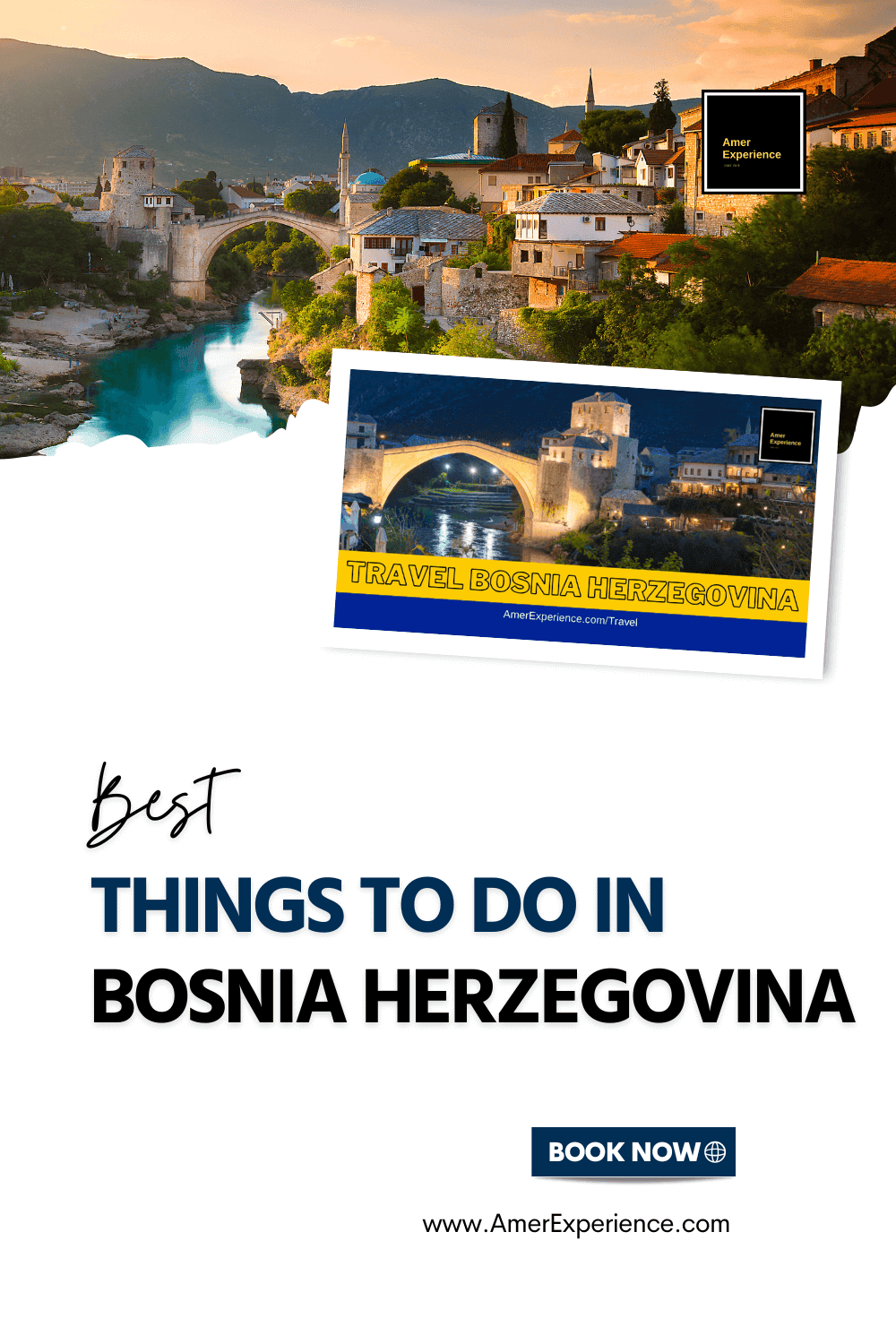
Stepping back in time, we encounter the iconic Stari Most in Mostar. This 16th-century Ottoman bridge spans the Neretva River, connecting the two sides of the city with elegance and historical weight. Renowned for its graceful arch and rich heritage, the Old Bridge is not only an architectural marvel but also a powerful symbol of unity and reconciliation among the diverse communities that inhabit this beautiful region. Its construction, a testament to the engineering prowess of the period, showcases the intricate stonework and artistic details that have withstood the test of time. Today, the Stari Most stands as a reminder of resilience, having been meticulously rebuilt after the devastation of the war, and continues to draw visitors from far and wide who come to marvel at its beauty and significance.
1. Sarajevo Tunnel (Tunel Spasa)→
Our journey begins with the Sarajevo Tunnel, also known as the Tunnel of Hope. This underground passage played a pivotal role during the Siege of Sarajevo, providing a lifeline for the city’s residents and facilitating essential supplies, food, and medical aid when the city was under siege. Stretching over a mile in length, the tunnel not only connected the besieged city to the outside world but also became a vital route for the movement of people seeking safety and resilience against the backdrop of conflict. Today, it serves not only as a historical site but also as a poignant reminder of the enduring human spirit and the importance of solidarity in overcoming hardship.
Sarajevo Tunnel (Tunel Spasa)→
Check out these and more tours in Bosnia Herzegovina 🇧🇦!
Hotel reservation in Bosnia Herzegovina 🇧🇦
Bosnia and Herzegovina: A Tapestry of History, Culture, and Natural Beauty
Nestled in the heart of the Balkans, Bosnia and Herzegovina is a nation that bears witness to the ebb and flow of history, cultural diversity, and breathtaking landscapes. From the scars of conflict to the vibrant tapestry of its cities and the serene beauty of its natural wonders, Bosnia and Herzegovina stand as a testament to resilience and a celebration of unity in diversity.
Historical Tapestry
Ancient roots: Bosnia and Herzegovina’s history traces back to ancient times, with evidence of Illyrian settlements dating back to the first millennium BCE. The region’s strategic location, nestled between East and West, attracted various civilizations, including the Romans, Byzantines, and Ottomans, each leaving a distinct mark on its cultural landscape.
Ottoman legacy: The Ottoman Empire left an indelible mark on Bosnia and Herzegovina, shaping its architecture, cultural practices, and religious landscape in profound ways. This multifaceted legacy is evident in landmarks like the Mostar Bridge and the Gazi Husrev-beg Mosque, and in the traditional crafts, culinary arts and music woven into local culture.
Austro-Hungarian influence: Following centuries under Ottoman rule, Bosnia and Herzegovina experienced a significant shift during the Austro-Hungarian occupation in the late 19th and early 20th centuries, marked by modernization, new rail and road infrastructure, and a blend of architectural styles still visible in Sarajevo and Mostar today.
Cultural Diversity
Bosniak, Croat, and Serb communities: The country’s cultural diversity is reflected in its three main ethnic groups, each contributing to Bosnia and Herzegovina’s traditions, language, and cultural expressions — from Bosniak folklore and music to Croat crafts and Serb literary and Orthodox traditions.
Bosnian language: Bosnian, alongside Croatian and Serbian, is one of the official languages of the country. Written in both Latin and Cyrillic scripts, it reflects a shared identity shaped by Ottoman rule and the Yugoslav era.
Traditional music and dance: Sevdalinka, a genre of traditional Bosniak music known for its melancholic melodies, and the kolo, a lively circle dance performed at gatherings, remain central expressions of Bosnian cultural identity today.
Religious Coexistence
Islam, Orthodoxy, and Catholicism: Bosnia and Herzegovina is characterized by religious diversity, with Islam, Orthodox Christianity, and Catholicism coexisting throughout the country. Places of worship like the Gazi Husrev-beg Mosque, the Orthodox Church in Mostar, and the Franciscan Monastery in Fojnica stand as symbols of this mosaic.
Bosnian coffee culture: The tradition of drinking coffee holds a special place in Bosnian culture. Prepared in a long-handled džezva and brewed over low heat, it is served as a ritual of conversation and connection rather than a quick drink.
Stari Most: The iconic Stari Most in Mostar is a powerful symbol of coexistence, physically and symbolically connecting the city’s Muslim and Christian quarters since the Ottoman era.
Natural Wonders
Dinaric Alps: The Dinaric Alps traverse Bosnia and Herzegovina, including Prenj, Bjelašnica and Velež, offering hiking, climbing and paragliding among diverse ecosystems.
Neretva River: The Neretva River winds through stunning canyons and lush valleys, supporting kayaking, fishing, hiking and the local communities and agriculture that depend on it.
Una National Park: In the northwest, the crystal-clear Una River, waterfalls and diverse ecosystems make Una National Park a destination for hiking, birdwatching and kayaking.
Contemporary Bosnia and Herzegovina
Post-war reconstruction: In the aftermath of the Bosnian War (1992–1995), Bosnia and Herzegovina rebuilt cities, infrastructure and social cohesion, supported by international aid and investment.
Sarajevo Film Festival: Held annually, the Sarajevo Film Festival has become a cultural landmark showcasing regional and international cinema, workshops and panel discussions.
Tourism renaissance: Bosnia and Herzegovina’s natural and cultural treasures have contributed to a renaissance in tourism, with Sarajevo, Mostar and natural attractions like Kravice Waterfall drawing growing numbers of visitors each year.
Explore More AmerExperience Travel Guides
Frequently Asked Questions
How many days do I need in Bosnia and Herzegovina?
Two full days covers Sarajevo. Add three to five more for Mostar, Kravice Waterfalls and a Herzegovina day trip — most visitors plan five to seven days total. Ten days lets you add Una National Park or Trebinje without rushing.
When is the best time to visit Bosnia and Herzegovina?
May through September brings warm weather for hiking and waterfalls, without the crowd levels of nearby Croatia. April–May and September–October are the shoulder months: milder temperatures, lower accommodation prices, and Mostar’s Old Bridge without the midday tour-bus crowds.
Is Bosnia and Herzegovina expensive to visit?
No — it’s one of the better-value countries in Europe. Budget travelers manage on roughly €45–60 a day; a comfortable mid-range trip with hotels and restaurant meals runs €100–130 a day. Sarajevo costs somewhat more than Mostar or smaller towns.
Should I split my time between Sarajevo and Mostar, or focus on one?
Both, if time allows. Sarajevo has the depth — Ottoman old town, museums, war history — for two full days. Mostar is compact and can be seen properly in a day, but staying overnight lets you see the Old Bridge without the day-trip crowds from Dubrovnik and Split.
Do I need a car, or is public transport enough?
Buses connect Sarajevo, Mostar and other main towns reliably and cheaply. A car pays off if you want to reach Kravice Waterfalls, Blagaj, Počitelj and Jajce on your own schedule rather than joining a group day tour — rentals run affordably and require an International Driving Permit for most nationalities.
Welcome to discover our Bosnia and Herzegovina Travel Guide.
Warm regards,

Lassi Pensikkala
Destination expert & travel writer
Updated continuously · © Lassi Pensikkala
This guide is part of my 37 Europe and 125+ World Travel Guides, curated from decades of travel experience. Read and download the guides for free here:
👉 Explore the best things to do in Europe:
Best things to do in Europe – 37 travel guides
Related guides
• Best things to do in Croatia
• Best things to do in Montenegro
Advertisement
This web site contains links and affiliate links to other web sites (as affiliate partner we get commissions paid for the sales made by these web sites). Some of those web sites may be operated by third parties. As an Amazon Associate we earn from qualifying purchases.