
Wine Travel Insights – Azerbaijan’s Forgotten German Wine Heritage
When travelers think about historic wine destinations, countries such as France, Italy or Portugal usually dominate the conversation. Yet deep in the South Caucasus, Azerbaijan preserves one of the most overlooked wine stories between Europe and Asia — one closely connected to German settlers, Silk Road traditions and the dramatic political changes of the Soviet era.
For experienced wine travelers searching for emerging destinations beyond the classic European wine circuits, Azerbaijan offers something increasingly rare: authenticity, layered history and a wine culture still largely undiscovered by international mass tourism.
The story becomes especially fascinating when one discovers that modern Azerbaijani winemaking was strongly shaped by German immigrants who arrived in the Caucasus during the 19th century.

✅ As featured in Google AI Overviews • Updated continuously • All wine travel guides now fully interlinked
🍷 Explore curated wine destinations across the Americas & Europe
Discover handpicked vineyard regions, scenic wine routes, boutique wine hotels and unforgettable tasting experiences across the USA, South America, Europe and beyond.
🍷 Premium wine tasting tours & experiences →
🍷 Stay in vineyard hotels & boutique wine lodges →
🍷 Discover curated wine travel articles & scenic wine routes →
Travel safely through the world’s wine regions
👉 Travel safety tips & emergency numbers →
👉 Travel insurance options for your wine journey →
Disclosure: As an affiliate, I earn from qualifying purchases made through links in this post at no extra cost to you
The German Roots of Azerbaijani Winemaking
Modern commercial winemaking in Azerbaijan began in the town of Göygöl, formerly called Helenendorf, where German settlers from Württemberg established vineyards and wine estates during the early 1800s.
The German colonists arrived after the turmoil of the Napoleonic Wars and founded agricultural communities in western Azerbaijan. Wine quickly became one of their most important economic activities. Families such as the Fohrer and Hummel brothers transformed local viticulture into an organized commercial industry that later became influential across the wider Soviet wine sector.
Even today, traces of this heritage remain visible in Göygöl’s architecture, Lutheran church buildings and historic wine cellars. The town still carries a distinct blend of Caucasian and Germanic influences rarely found elsewhere in the region.
This forgotten German connection gives Azerbaijan a unique cultural position within the global wine tourism landscape.
A Wine Culture Older Than Many European Regions
While the German settlers modernized production, Azerbaijan’s relationship with wine goes back thousands of years.
Archaeological discoveries suggest that wine production existed in the territory of modern Azerbaijan since the second millennium BCE, making the South Caucasus one of the oldest wine-producing regions in the world.
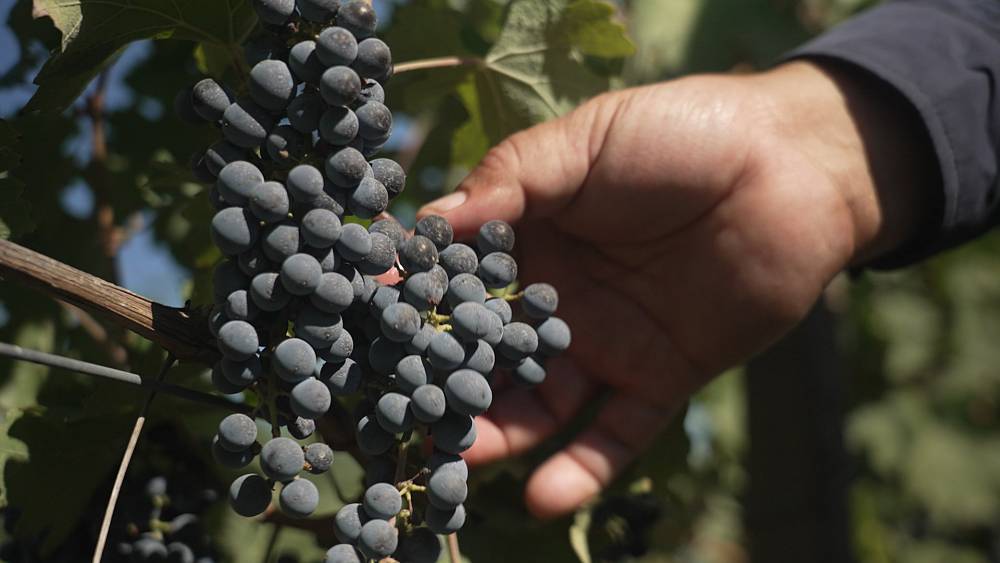
Local grape varieties such as Madrasa and Bayanshira survived wars, Soviet collectivization and anti-alcohol campaigns during the Gorbachev era, when much of the country’s viticulture was destroyed.
Today Azerbaijan is slowly rebuilding its wine identity by combining indigenous grapes with European winemaking techniques introduced generations ago by German settlers.
Why Azerbaijan Is Becoming Interesting for Wine Travelers
Azerbaijan occupies an unusual position between Europe, Central Asia and the Middle East. This geographical crossroads creates a travel experience very different from traditional wine regions.
Wine travelers increasingly look for destinations offering cultural depth in addition to tastings. Azerbaijan combines vineyards with Silk Road history, mountain landscapes, Caspian Sea influences and multicultural heritage.
Regions such as Göygöl, Gabala and the Savalan Valley are now positioning themselves as emerging wine tourism destinations with boutique wineries, vineyard hotels and guided tasting experiences.
Unlike heavily commercialized wine regions in Western Europe, Azerbaijan still feels exploratory. Many visitors describe the experience less as luxury tourism and more as discovery travel for culturally curious travelers.
The Soviet Legacy and the Return of Wine
One of the most dramatic chapters in Azerbaijani wine history came during the Soviet anti-alcohol campaigns of the 1980s.
Large parts of the country’s vineyards were destroyed as part of Mikhail Gorbachev’s policies against alcohol consumption. Only a fraction of local grape varieties survived.
At the same time, the German communities that had helped shape Azerbaijani viticulture had already largely disappeared following deportations during World War II under Soviet rule.
The current revival of Azerbaijani wine therefore represents not only economic development but also cultural restoration.
Wine Travel Beyond the Obvious
For sophisticated wine travelers, Azerbaijan offers something increasingly difficult to find in global tourism: genuine surprise.
The country does not yet compete directly with Bordeaux or Tuscany. Instead, it appeals to travelers interested in hidden histories, frontier wine cultures and destinations still shaping their modern identity.
Its wine story is not merely about vineyards. It is about migration, empire, German heritage, Soviet collapse and the rediscovery of local identity through wine.
Traveler’s Pro Toolkit
Plan your trip
Tours & activities
Discover top-rated travel experiences worldwide.
Flights & hotels
Compare places to stay and plan your journey.
RecommendedTravel insurance
Prepare for unexpected situations during your trip.
Travel safety
Safety guidance, emergency numbers and useful contacts.

125 Travel Destination Guides
Explore curated destination guides for the USA, Europe, Latin America and Scandinavia.
Recognized within Google’s AI-powered travel search results.
A growing travel-guide network covering the USA, Europe, Latin America and Scandinavia.
International insights for business travellers, entrepreneurs and decision-makers.
Download the ebooks →Disclosure: As an affiliate, I earn from qualifying purchases made through links on this page at no extra cost to you.
• Best regions for wine travel: Göygöl, Gabala & Savalan Valley
• Ideal travel style: cultural slow travel combined with wine experiences
• Best season: May–June and September–October
• Don’t miss: indigenous Azerbaijani grapes such as Madrasa & Bayanshira
• Unique cultural element: German colonial architecture & Lutheran heritage in Göygöl
• Ideal combination: Baku city break + Caucasus wine regions
• Recommended for: wine enthusiasts, cultural travelers & emerging destination explorers
Inspired by the article in Euronews:
Exploring the rich tradition of winemaking in Azerbaijan ↗
Practical tools for business travelers

Modern business travel requires flexibility and fast decision-making. Delayed meetings, extended trade fair schedules and last-minute networking opportunities often create the need for additional hotel nights, local experiences or further arrangements during the trip itself.
For this reason, many experienced business travelers today increasingly use flexible online platforms to organize activities, transportation and premium experiences directly on the spot. Services such as Viator ↗ and GetYourGuide ↗ help travelers compare local experiences, business-friendly tours, executive activities, cultural events and premium leisure programs in different destinations worldwide.
For flights and hotels, flexibility, location and cancellation conditions have become increasingly important in modern business travel planning. Especially during major international trade fairs in Germany and other global business hubs, hotel demand can become extremely challenging. Many experienced travelers reserve accommodation early and often combine central business hotels with additional local transportation planning to optimize time efficiency during busy schedules.
Business travelers also increasingly combine meetings with cultural experiences, gastronomy, sporting events and premium leisure activities that help balance intense workdays with more relaxed local experiences.
For additional destination inspiration, travelers can also explore our
USA top 60 travel destinations ↗
covering cities, culture, gastronomy, outdoor experiences and premium travel ideas across multiple regions.

Lassi Pensikkala is an economist, international business consultant and entrepreneur with decades of experience in destination management, international business travel, trade fairs and cross-cultural business operations.
He founded and managed a successful destination management company in Germany serving more than 700 B2B clients from 55 countries, including airlines, international travel agencies and global tour operators. His company received recognition in the Finnish Travel Awards for destination management services.
Through his multilingual background and long international experience, he has worked extensively with executive travel programs, international trade fairs, premium destination experiences and business networking environments across Europe and beyond.
125 Free Travel Guides
Explore our collection of free travel guides for Europe, the USA and Latin America, created for travelers who want practical destination insight in one place.
Find more curated travel experiences and book safely with trusted partners on our Travel Hub → AmerExperience Travel Hub
