

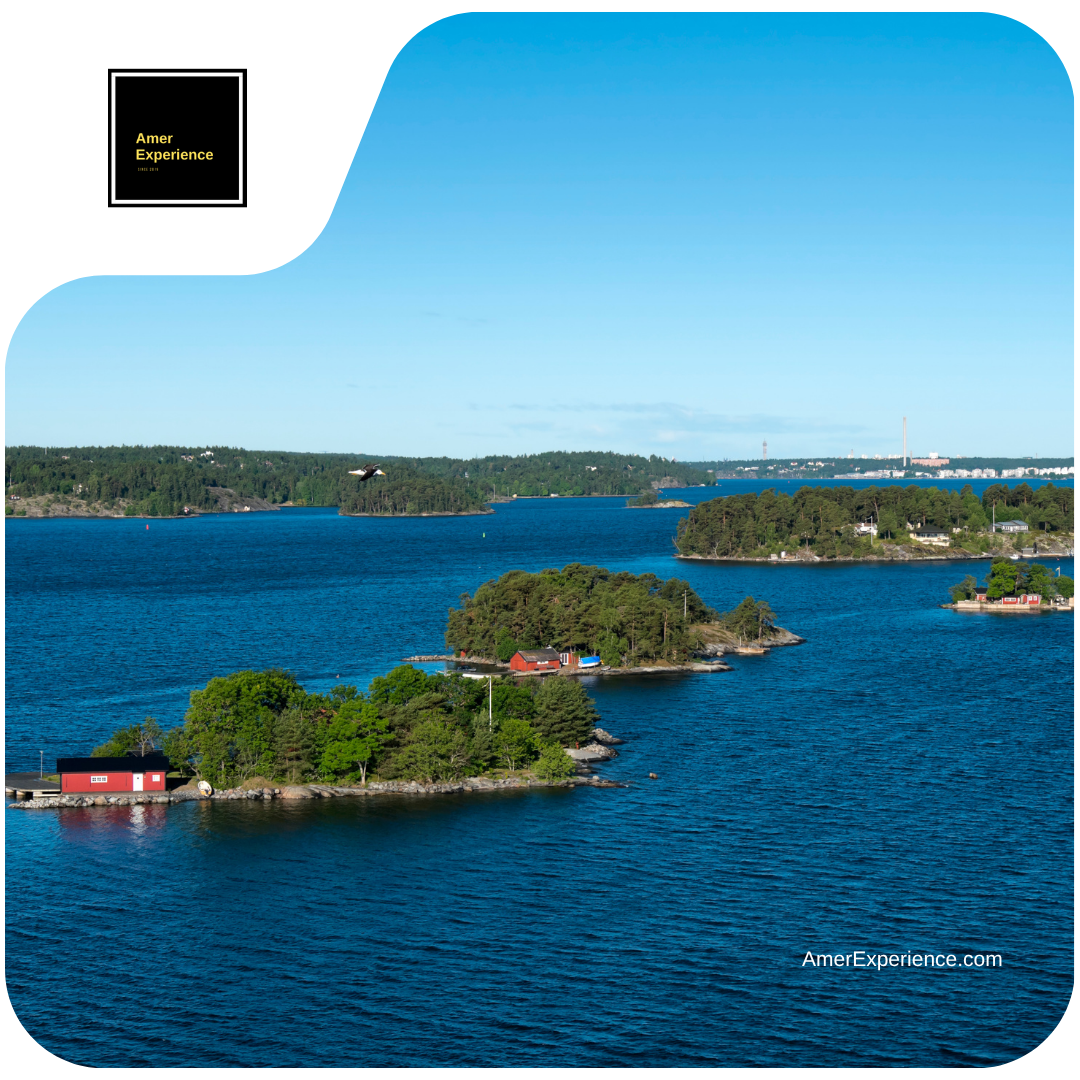
My big love Stockholm ❤️ To truly understand the essence of Stockholm, one must look beyond its sleek Scandinavian design, its efficient urban infrastructure, and its reputation as a global tech hub. The true pulse of this city is not found in its boardroom meetings or its high-end boutiques, but in the “30,000 Island Ritual”—the deep-seated cultural necessity for its residents to seasonally migrate from the stone and glass of the city to the granite and pine of the Skärgården (archipelago). This is not merely a vacation or a weekend getaway; it is a spiritual reset that is hardcoded into the Swedish DNA. The archipelago is a massive, fragmented world where the freshwater of Lake Mälaren meets the brackish Baltic Sea, and for a Stockholmer, it represents the ultimate expression of freedom and the Swedish concept of Allemansrätten (the Right of Public Access).
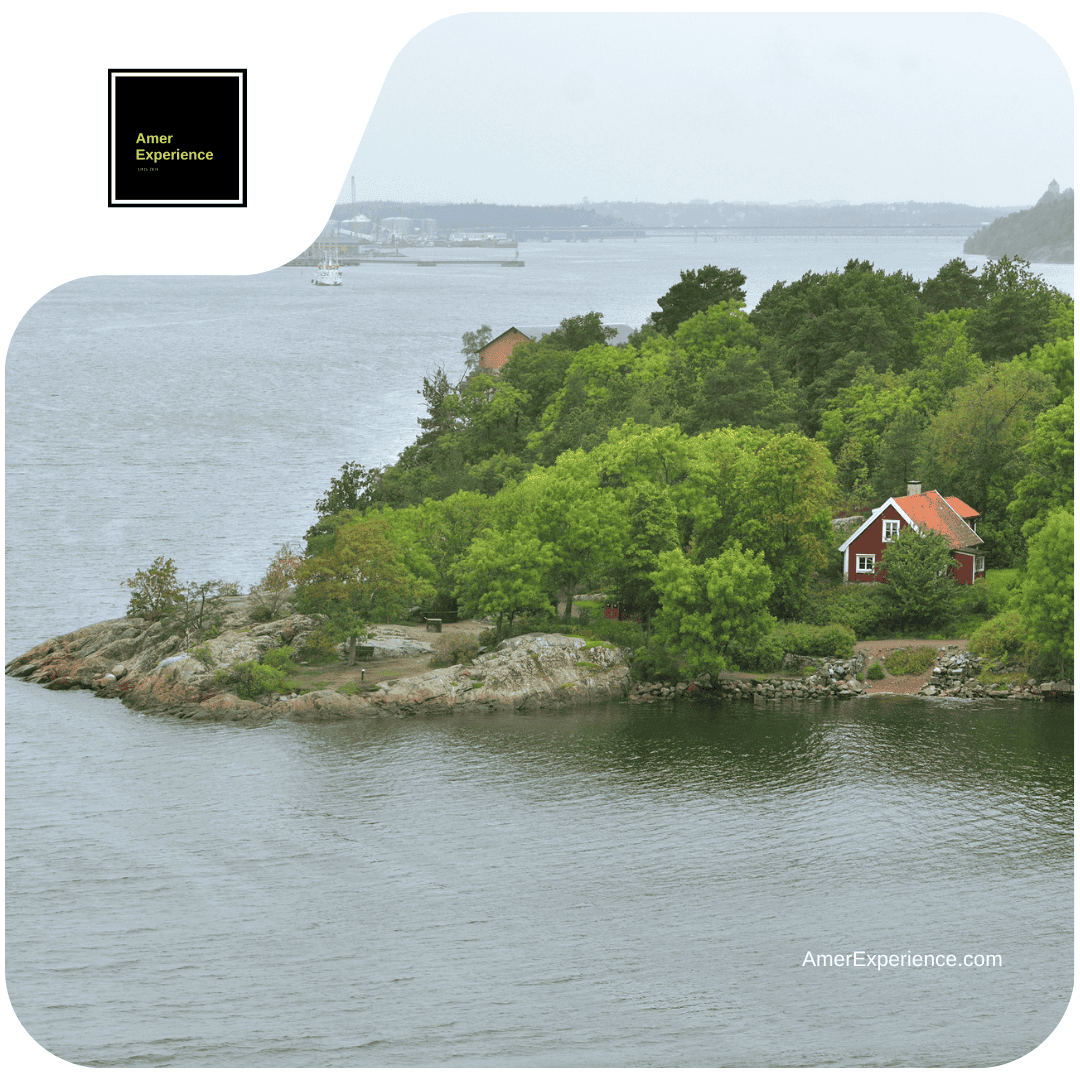
The real insight here is that Stockholm is a city that lives in a state of dual identity. On one hand, it is the “Silicon Valley of Europe,” a high-tech center of innovation that gave the world Spotify and IKEA. On the other, its soul is irrevocably tethered to the silent, wind-swept islands where time slows down to the pace of a drifting sailboat. This ritualistic connection to the water and the islands dictates the entire rhythm of the city. In the summer, the city center physically empties as the ferries fill. This migration teaches us the importance of “The Great Escape”—the idea that to be truly productive, creative, and balanced in an urban environment, one must have a visceral, accessible connection to the wild.
The archipelago soul is about finding Lagom (just enough) through the perfect balance of urban sophistication and maritime solitude. It is a philosophy that suggests that a human being is only complete when they have both the stimulation of the city and the silence of the sea. To witness the archipelago ritual is to witness a society that has successfully integrated the natural world into the very core of its urban existence.
10 Elements to Experience
- Vaxholm: Known as the official gateway to the archipelago. This island is famous for its massive 16th-century fortress and its charming, pastel-colored wooden houses. It serves as the primary hub for those beginning their journey into the deeper islands.
- Sandhamn: Located on the outermost edge of the archipelago, this island is the center of Swedish sailing culture. Its white sandy beaches and rugged pine forests offer a stark, beautiful contrast to the lush inner islands, providing a true taste of the open Baltic Sea.
- Grinda: A protected nature reserve that epitomizes the “idyllic” Swedish summer. It features rolling hills, grazing farm animals, and some of the best natural swimming spots in the region. It is the perfect place for a slow-paced hike ending in a dip in the sea.
- The Waxholmsbolaget Ferries: The classic white ferries are the veins of the archipelago. Riding these historic vessels is an essential part of the ritual; it is a slow-motion panorama of the 30,000 islands that forces you to leave the city’s haste behind.
- Fjäderholmarna: These are the closest islands to the city center, reachable in only 25 minutes. They offer a “concentrated” version of archipelago life—complete with craft studios, glassblowers, and traditional smokehouses—ideal for travelers with limited time.
- Möja: An island that has retained its traditional fishing village character. It is famous for its lack of cars and its abundance of wild berries and mushrooms. It is a hiker’s paradise where the only sound is the wind in the trees and the distant lap of waves.
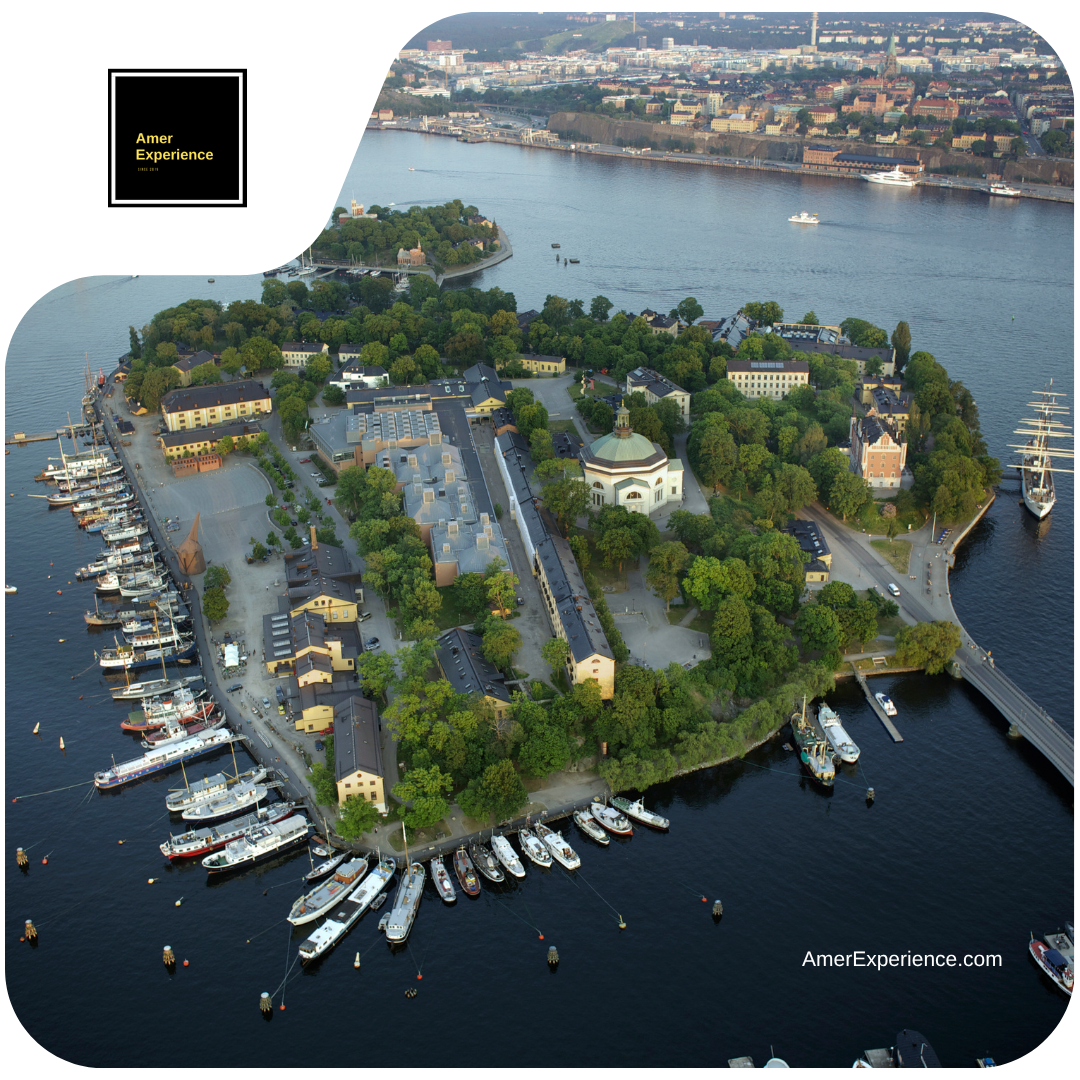
- Skeppsholmen: An island right in the heart of the city that serves as a bridge between the urban and the maritime. It houses the Moderna Museet and offers arguably the most iconic views of the Royal Palace across the water.
- Svartsö: One of the larger “living” islands with a year-round population. It is known for its lush interior forests and the “Svartsö Krog,” a restaurant that serves world-class cuisine using hyper-local archipelago ingredients.
- Finnhamn: A cluster of islands perfect for the adventurous traveler. It offers exceptional kayaking routes, snorkeling in crystal-clear water, and a famous organic farm store that sells local honey and preserves.
- Utö: Famous for its iron mines—the oldest in Sweden—and its vibrant harbor life. Located in the southern part of the archipelago, it is a favorite for cyclists who enjoy the well-maintained trails and historical sites.
Local’s Secret Tip
While many tourists stick to the scheduled ferry routes and the larger hubs, the true “pro” move is to seek out the private kayak rentals on smaller islands like Ljusterö or Resarö. The archipelago is a labyrinth, and many of its most beautiful “islands” are actually just small granite rocks with a single pine tree. Kayaking allows you to access these tiny, uninhabited spots where you can literally have an entire island to yourself for a few hours. This is the purest form of the 30,000 Island Ritual—finding total solitude in a landscape that has remained unchanged for millennia. Pack a small stove, some Swedish coffee, and experience the silence that locals crave.
What to Avoid
Avoid the mistake of trying to see too many islands in a single day. The ritual is about slowing down, not checking boxes off a list. If you rush between ferries, you completely miss the point of the archipelago soul. Also, avoid visiting the outer islands without checking the ferry schedule twice; missing the last boat back can result in an astronomical bill for a private water taxi. Furthermore, do not disrespect the environment. Swedes take the protection of their islands very seriously; leaving even a single piece of trash or disturbing nesting birds is considered a major social and legal transgression. Respect the silence; avoid loud music or disruptive behavior that breaks the natural peace.
Planning Your Visit
- Best time to travel: Mid-June to late August is the peak of the ritual, featuring nearly 20 hours of daylight and the vibrant energy of the Midsummer season. However, September is a local favorite for its crisp air, golden light, and the lack of summer crowds.
- Location:
How it looks actually
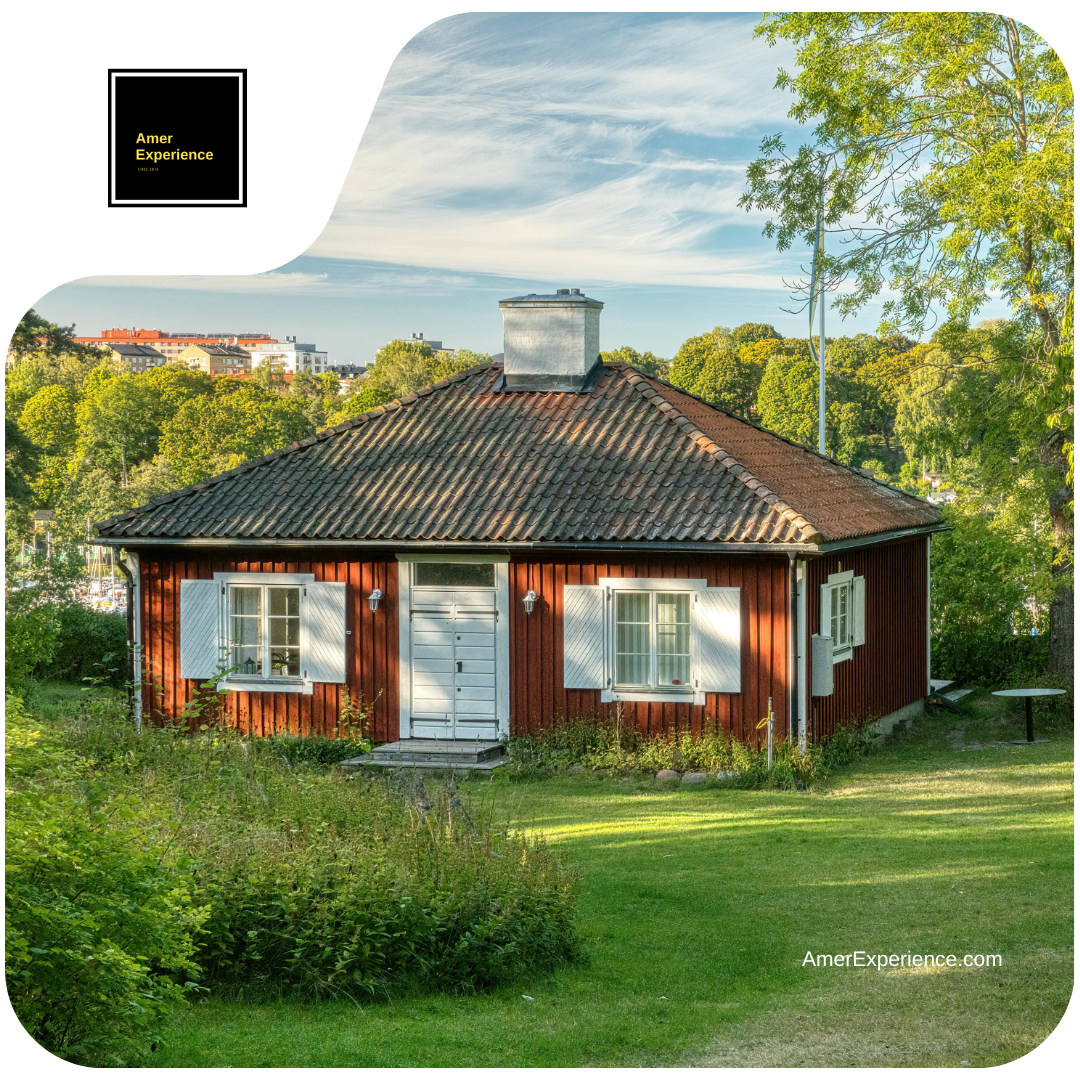
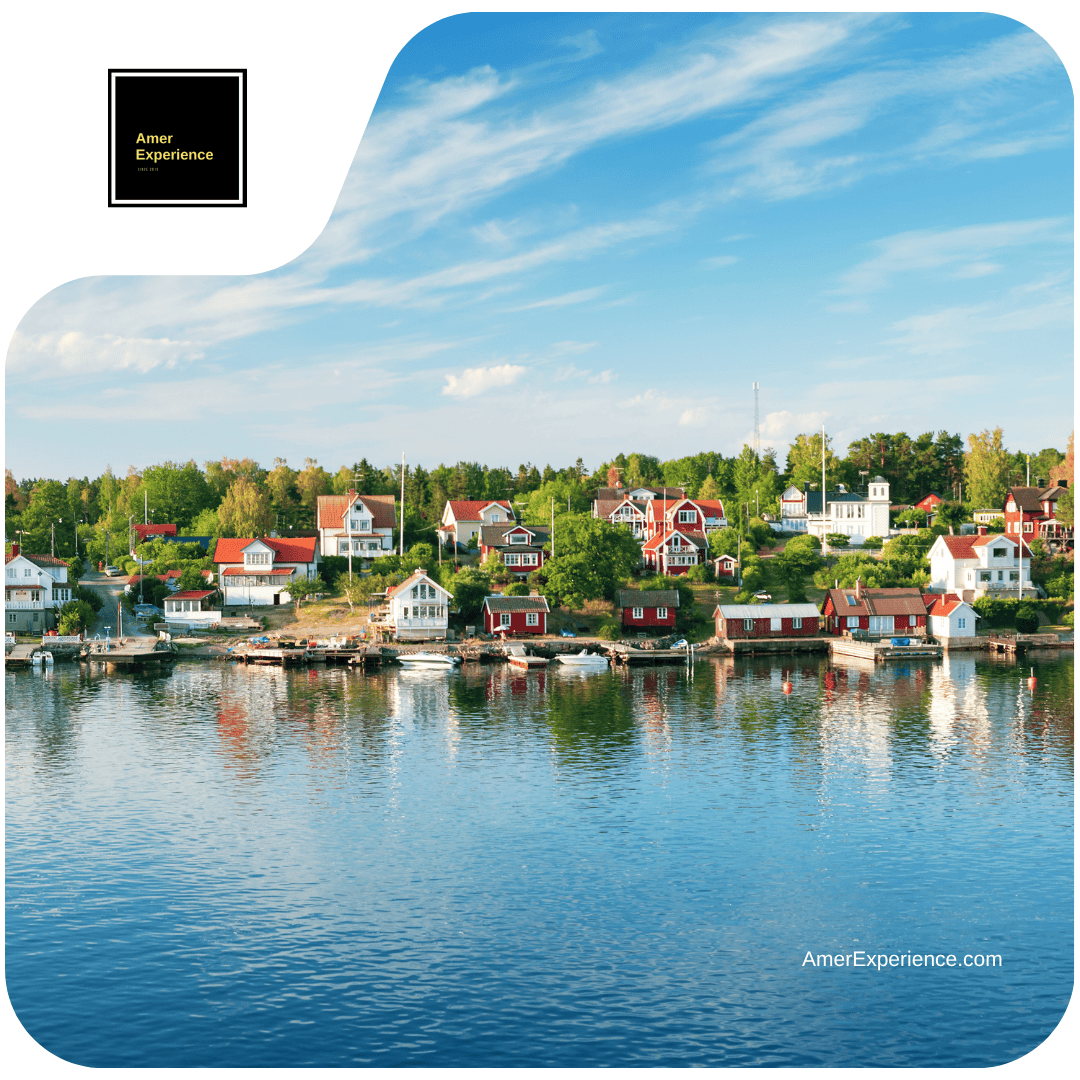
The visual reality of the archipelago is a mesmerizing mosaic of deep blue and vibrant green. You will see the iconic red wooden cottages with white trim (Falu rödfärg) perched precariously on smooth, wave-worn gray granite cliffs. In the early morning, the water is often as still as a mirror, perfectly reflecting the endless, pale Swedish sky and the white sails of distant boats.
Pro-traveler Toolkit
- Buy a Waxholmsbolaget Period Card (5-day or 30-day). If you plan on visiting more than two or three islands, this is the only cost-effective way to explore, offering unlimited travel on the entire ferry network.
- Pack a “dry bag” for your electronics and a high-quality windbreaker. Even in the height of summer, the breeze coming off the Baltic Sea can be surprisingly chilly once the ferry gains speed or the sun begins to set.
Plan your trip
Tours & activities
Discover top-rated travel experiences worldwide.
Flights & hotels
Compare places to stay and plan your journey.
RecommendedTravel insurance
Prepare for unexpected situations during your trip.
Travel safety
Safety guidance, emergency numbers and useful contacts.

200+ Travel Destination Guides
Explore curated destination guides for the USA, Europe, Latin America and Scandinavia.
Recognized within Google’s AI-powered travel search results.
A growing travel-guide network covering the USA, Europe, Latin America and Scandinavia.
International insights for business travellers, entrepreneurs and decision-makers.
Download the ebooks →Disclosure: As an affiliate, I earn from qualifying purchases made through links on this page at no extra cost to you.
Internal Links
For more expert advice on Swedish travel, visit our Sweden best things to do guide or explore our full list of free 125 travel guides. To see more destination insights and expert travel philosophy, visit our travel destinations magazine.
FAQ & Schema
- How do I get to the islands? The primary way is via the Waxholmsbolaget ferries, which depart from Strömkajen (near the Grand Hôtel) or Nybrokajen in central Stockholm.
- Are there hotels on the islands? Yes, ranging from luxury boutique hotels to rustic hostels and well-equipped campsites. Advance booking for the summer months is absolutely essential.
- Can I visit in winter? Yes, several islands have year-round residents and ferry service. It is a stark, silent, and incredibly beautiful experience, though many tourist facilities will be closed.
Warm regards,

Lassi Pensikkala
Destination expert & travel writer
Updated 2026 · © Lassi Pensikkala
This guide is part of my 125 USA, Europe, Latin America and Scandinavia Travel Guides, curated from decades of travel experience. Read and download the guides for free here
Claim Your Free Collection Now
AmerExperience is one of the most comprehensive independent multilingual travel publishing platforms covering destinations across Europe, the Americas, and beyond.
The world is waiting. Get your hands on the most ambitious free travel resource.
Disclosure: As an affiliate, I earn from qualifying purchases made through links in this post at no extra cost to you.

Frankfurt am Main travel insights – Skyline, Apfelwein & much more than a stopover
Frankfurt am Main travel insights – Frankfurt am Main is often overlooked by travelers passing through its airport, yet it offers a vibrant…
Keep reading
Oslo travel insights – Fjords, Vikings & the Nordic art of living well
Oslo travel insights – Oslo, the Norwegian capital, emphasizes relaxation over grand attractions, blending urban life with nature through its clean waterfront and…
Keep reading
Rio de Janeiro travel insights – Corcovado, Ipanema & the soul of the cariocas
Rio de Janeiro travel insights – Rio de Janeiro is a vibrant city that goes beyond its stunning landscapes. Here, nature, music, and…
Keep readingSomething went wrong. Please refresh the page and/or try again.
125 Free Travel Guides
Explore our collection of free travel guides for Europe, the USA and Latin America, created for travelers who want practical destination insight in one place.
Find more curated travel experiences and book safely with trusted partners on our Travel Hub → AmerExperience Travel Hub
