

English | Español | Deutsch | Svenska | Suomi
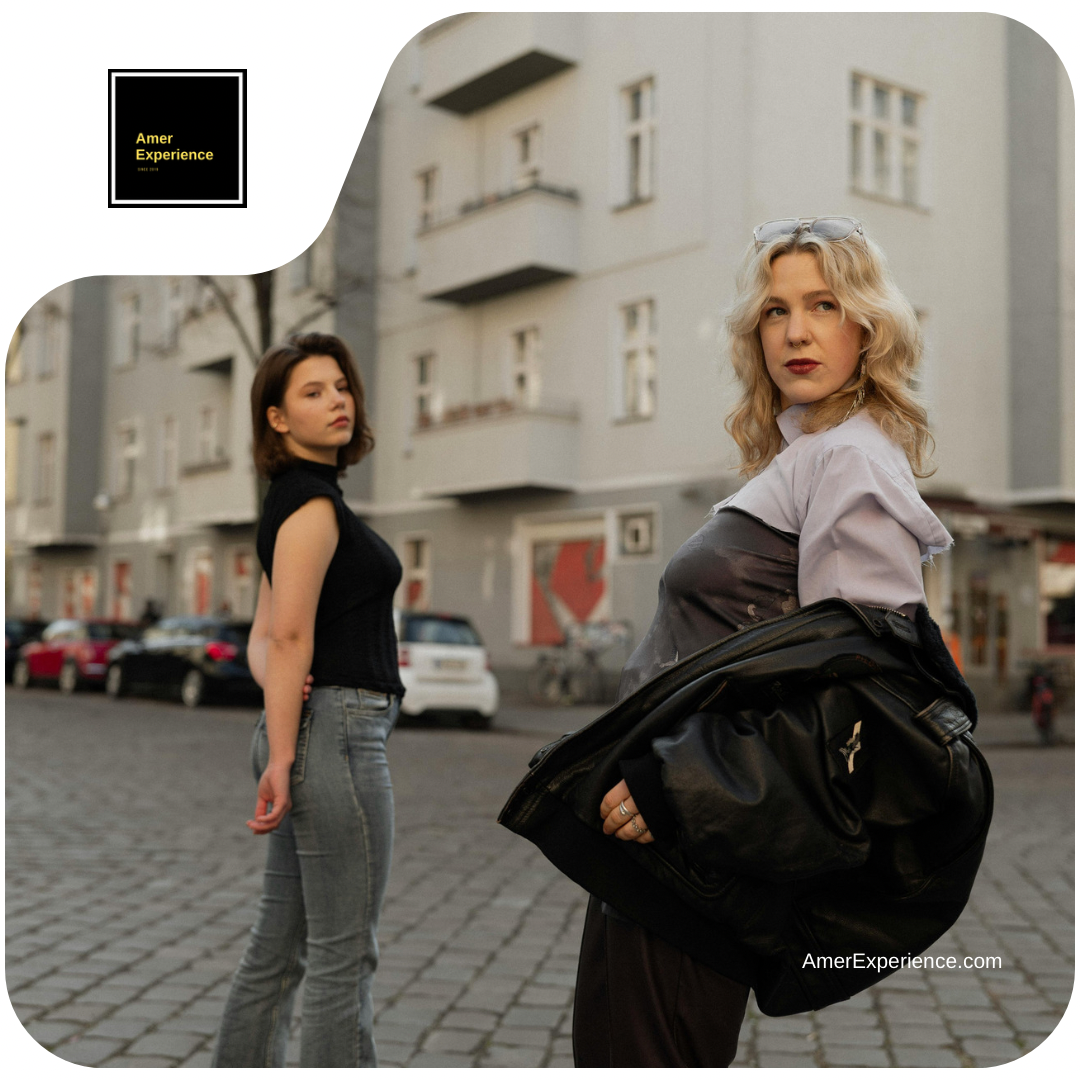
Berlin: the wall’s invisible scars & urban resilience – As an destination management professional (DMC), I analyze Berlin not merely as a European capital, but as a living laboratory of historical transition and structural resilience. Berlin is a palimpsest—a landscape where the 20th century’s most turbulent chapters have been written, violently erased, and then meticulously rewritten. Yet, the “invisible scars” of the Wall remain the most vital structural elements of its modern identity. Unlike the static, museum-like quality of Paris or the medieval symmetry of Prague, Berlin is defined by its creative friction, its vast scale, and its refusal to be a “finished” product.
To truly experience Berlin, one must move beyond the traditional tourist bubble and adopt a “Slow Travel” philosophy. The city’s true power is decentralized, found within the Kieze (neighborhoods) like Prenzlauer Berg, Kreuzberg, and Neukölln, which operate as independent villages with their own distinct social contracts. Berlin offers a rare environment where the gap between “arriving” and “experiencing” is bridged by an intellectual engagement with the city’s past. Berlin does not try to impress you with classical beauty; it challenges you to engage with its history and participate in its future.

The economic story of Berlin is one of rapid reinvention. Following the reunification, the city faced immense structural challenges that paved the way for its current status as a global tech and creative magnet. For the high-level traveler, this history is visible in the architecture—from the socialist grandeur of Karl-Marx-Allee to the cutting-edge transparency of the government district. Berlin is a city that requires an intellectual commitment; it rewards those who look beneath the surface of its grit to find the profound cultural currents that drive its 24-hour pulse.
10 Elements to Experience
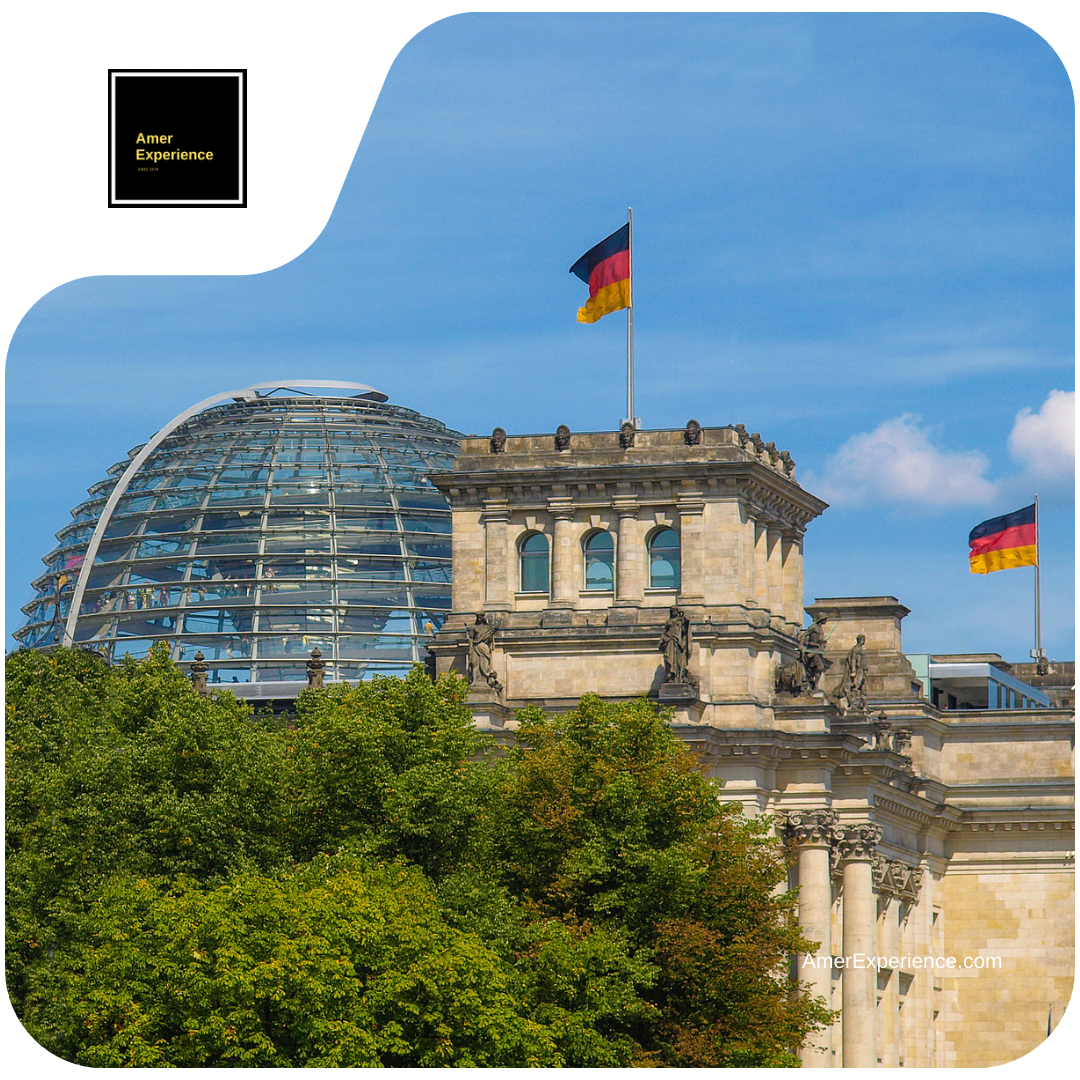
- The Reichstag’s Architectural Transparency: Designed by Norman Foster, the glass dome of the German parliament building is a functional metaphor for democratic oversight. By placing the public walkway literally above the parliamentary floor, the architecture dictates that the people stand above their legislators. Pro Tip: Secure your registration weeks in advance; the sunrise slot offers a high-authority view of the Tiergarten and the Spree without the mid-day crowds.
- Museum Island (Museumsinsel) Strategy: This UNESCO World Heritage site hosts five world-renowned museums. As an expert, I suggest prioritizing the Neues Museum. David Chipperfield’s restoration intentionally leaves war-torn bullet holes visible in the columns, creating a hauntingly beautiful dialogue between Egyptian antiquity and 20th-century history.
- East Side Gallery Narrative: Stretching 1.3 kilometers, this is the longest remaining section of the Berlin Wall. It has been transformed into a global monument for freedom, featuring over 100 murals. It serves as a stark reminder of how creativity can dismantle physical and psychological barriers.
- Tempelhofer Feld’s Urban Freedom: This former airport is the most significant symbol of Berlin’s urban freedom. While other global capitals would have commercialized this massive 300-hectare site for luxury real estate, Berliners voted to keep it as a public park. Walking or cycling down a runway that once served the Berlin Airlift is a surreal, liberating experience.
- The Memorial to the Murdered Jews of Europe: Peter Eisenman’s 2,711 concrete slabs create an undulating, disorienting grid. It is an essential, silent space in the city center that demands reflection on historical responsibility and the fragility of human civilization.
- Spätkauf (Späti) Social Dynamics: These late-night kiosks are the social anchors of Berlin’s streets. To understand the local rhythm, grab a drink and sit on a wooden crate outside a Späti in Neukölln. This is where the city’s authentic social contracts are formed and where the true pulse of the neighborhood is found.
- Techno as Intangible Heritage: Berlin’s electronic music scene is officially recognized by UNESCO. It is a multi-billion euro cultural industry born from the vacuum left by the Cold War. Industrial cathedrals like Berghain or Tresor are not just clubs; they are the city’s modern sonic heartbeat.
- Tiergarten’s Prussian Grandeur: Once a royal hunting ground, this 210-hectare park is the green lung of the capital. It offers a sophisticated escape into landscape gardening that stretches from the Brandenburg Gate to the Zoological Garden, providing a necessary contrast to the urban grit.
- Topography of Terror: Located on the site of the former Gestapo and SS headquarters, this unvarnished exhibition provides the essential historical gravity required to understand the administrative mechanisms of the Third Reich.
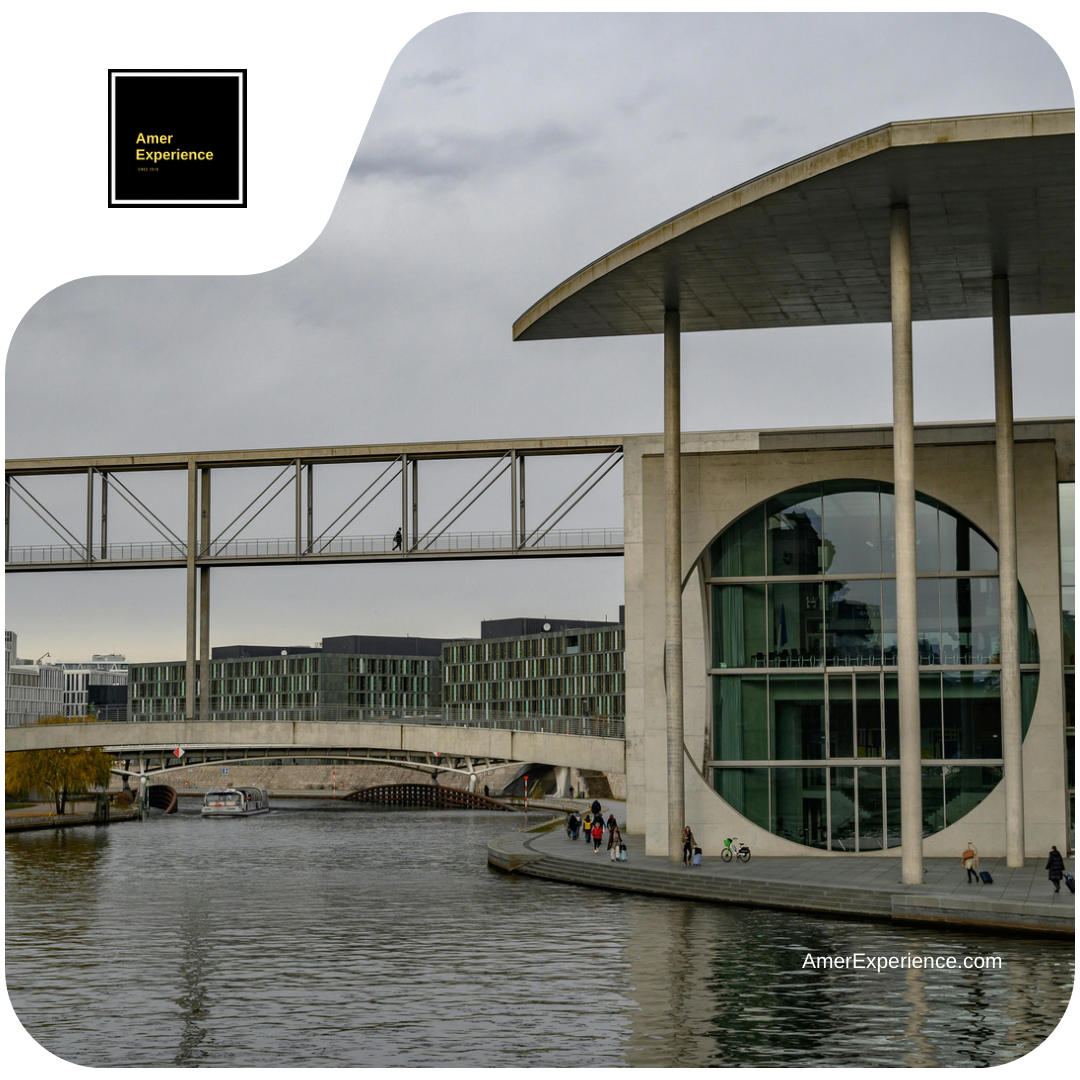
- The Spree River’s Modernist Axis: A boat tour through the Regierungsviertel (Government District) reveals the transparent architecture of the Federal Strip (Band des Bundes). This axis reflects the city’s commitment to an open government and a visible, accessible future.
Local’s Secret Tip
The “Pfand” Social Contract: This is a nuance of Berlin life that reflects its deep-seated social awareness. When you finish a glass or plastic bottle in a public park, do not throw it in the trash can. Place it carefully next to or underneath the bin. There is an informal economy of “Pfandsammler” (bottle collectors) who gather these for the 8–25 cent deposit. Leaving your bottle accessible allows them to work with dignity and safety. It is a silent mark of respect and community awareness that defines the local spirit and separates the visitor from the “Berliner.”

What to Avoid
The “Berlin Schnauze” Misunderstanding: Do not mistake the direct, sometimes gruff service in traditional cafes for rudeness. This is the Berliner Schnauze (Berlin Snout)—a local cultural trait of blunt efficiency and honesty. Also, never walk in the red-paved bike lanes. Berlin cyclists are fast, uncompromising, and will reprimand you immediately for obstructing their path. Finally, avoid the “fake soldiers” at Checkpoint Charlie; they are expensive photo-ops with no historical value. Real history is found in the Documentation Center nearby.
Planning Your Visit
- Best Time to Visit: Late spring (May) or early autumn (September) offer the ideal balance of pleasant weather and accessibility without the mid-summer tourist density.
- Logistics: Berlin is a massive, decentralized city. Download the BVG Tickets app for all transport needs. The Airport Express (FEX) is the most efficient link between the airport and the city center.
- Google Maps:
How it looks actually
Standing at Pariser Platz, the atmosphere is a unique collision of neoclassical stone and the sleek, modern glass of the surrounding embassies. The light shifts constantly as the clouds move rapidly over the North German Plain, casting moving shadows across the sandstone of the Brandenburg Gate. The texture of the cobblestones underfoot and the low, constant hum of bicycle tires on pavement create a sense of history that is living and breathing, rather than frozen in time.
Pro-traveler Toolkit
- Travel Pattern: [Berlin Metropolitan Pattern] — A logic of decentralized exploration and cross-district transit.
- Practical Tips: Cash is still king (Bargeld). Despite being a tech hub, many independent “Spätis” and cafes only accept physical currency. Always carry at least 50 Euros. For high-authority travel, I recommend staying in Charlottenburg for Old-World Prussian elegance or Prenzlauer Berg for the most sophisticated local “Slow Travel” energy.
Plan your trip
Tours & activities
Discover top-rated travel experiences worldwide.
Flights & hotels
Compare places to stay and plan your journey.
RecommendedTravel insurance
Prepare for unexpected situations during your trip.
Travel safety
Safety guidance, emergency numbers and useful contacts.

200+ Travel Destination Guides
Explore curated destination guides for the USA, Europe, Latin America and Scandinavia.
Recognized within Google’s AI-powered travel search results.
A growing travel-guide network covering the USA, Europe, Latin America and Scandinavia.
International insights for business travellers, entrepreneurs and decision-makers.
Download the ebooks →Disclosure: As an affiliate, I earn from qualifying purchases made through links on this page at no extra cost to you.
Internal Links Section
For more expert advice for your next adventure, visit our guide Germany best things to do. You can also download our complete collection of free 125 travel guides or get specific insights with our 37 free Europe travel guides. For those looking toward the southern hemisphere, explore the best things to do in Latin America, and do not miss the latest reports in our travel destinations magazine.
FAQ
- Is Berlin safe for solo travelers at night? Berlin is exceptionally safe. The public transport system runs 24 hours on weekends, and the city remains active and populated throughout the night. Normal urban vigilance applies, but the atmosphere is inclusive.
- When is the best time for a “Slow Travel” experience? Late spring or early autumn offer the ideal balance of weather and cultural vibrancy. These shoulder seasons allow for exploration of the outer neighborhoods without the mid-summer tourist density.
- Do I need to speak German? While English is widely spoken in the creative and tech sectors, knowing basic phrases like “Guten Tag” and “Danke” reflects professional respect for the local culture and is highly appreciated.
Warm regards,
Lassi Pensikkala
Destination expert & travel writer
Updated 2026 · © Lassi Pensikkala
This guide is part of my 125 USA, Europe, Latin America and Scandinavia Travel Guides, curated from decades of travel experience. Read and download the guides for free here
Claim Your Free Collection Now
AmerExperience is one of the most comprehensive independent multilingual travel publishing platforms covering destinations across Europe, the Americas, and beyond.
The world is waiting. Get your hands on the most ambitious free travel resource.
Disclosure: As an affiliate, I earn from qualifying purchases made through links in this post at no extra cost to you.

Frankfurt am Main travel insights – Skyline, Apfelwein & much more than a stopover
Frankfurt am Main travel insights – Frankfurt am Main is often overlooked by travelers passing through its airport, yet it offers a vibrant…
Keep reading
Oslo travel insights – Fjords, Vikings & the Nordic art of living well
Oslo travel insights – Oslo, the Norwegian capital, emphasizes relaxation over grand attractions, blending urban life with nature through its clean waterfront and…
Keep reading
Rio de Janeiro travel insights – Corcovado, Ipanema & the soul of the cariocas
Rio de Janeiro travel insights – Rio de Janeiro is a vibrant city that goes beyond its stunning landscapes. Here, nature, music, and…
Keep readingSomething went wrong. Please refresh the page and/or try again.
125 Free Travel Guides
Explore our collection of free travel guides for Europe, the USA and Latin America, created for travelers who want practical destination insight in one place.
Find more curated travel experiences and book safely with trusted partners on our Travel Hub → AmerExperience Travel Hub
