
English | Español | Deutsch | Svenska | Suomi
The Expert Insight
When you step off the plane in Lisbon, the first thing that hits you isn’t the heat—it’s the light. As a Destination Management (DMC) professional, I have spent decades analyzing how cities communicate with their visitors, and Lisbon speaks through its luminosity. It is often called the “White City,” but that is a simplification. The light here is a living entity, reflected off the Tagus River and amplified by the polished white limestone of the Calçada Portuguesa beneath your feet. To understand Lisbon, you must understand that it is a city of layers, resilience, and a very specific type of emotional intelligence known as Saudade.
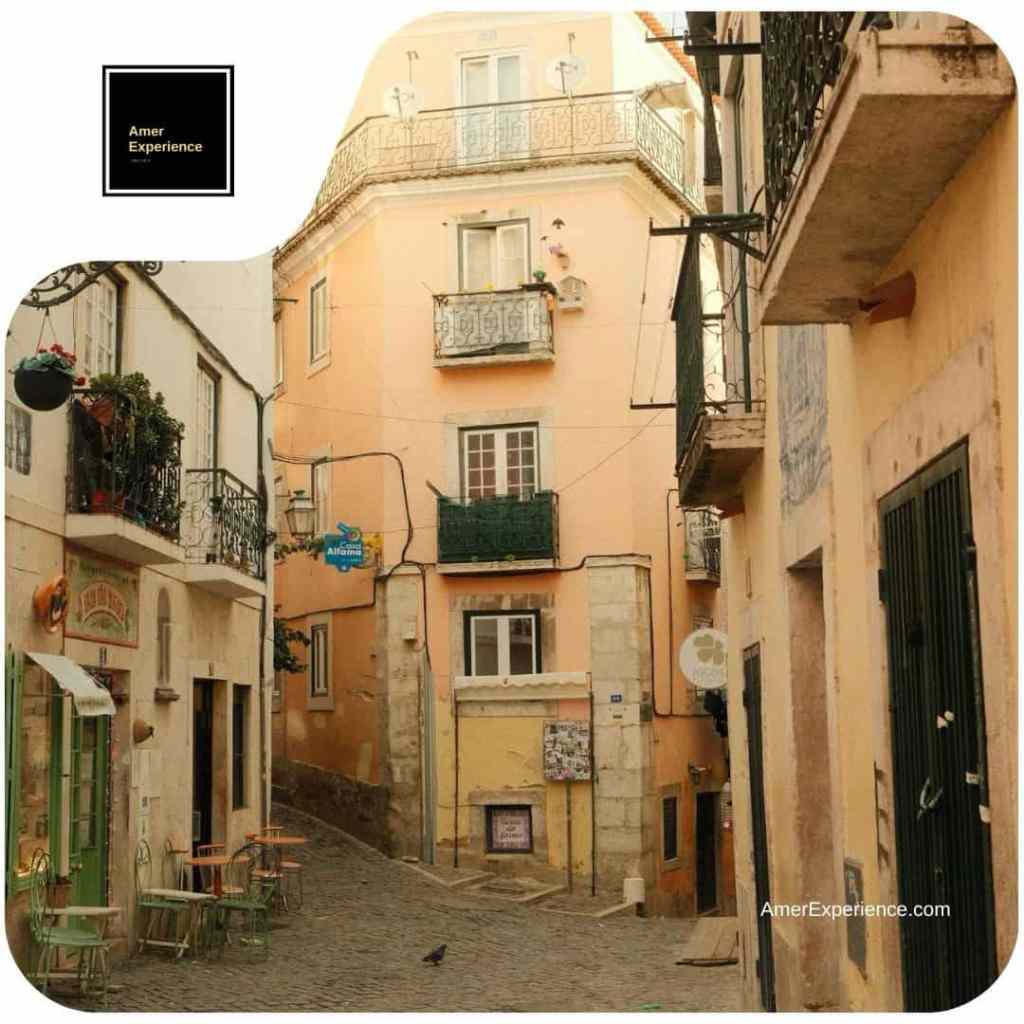
From a DMC perspective, Lisbon is a fascinating study in urban recovery. After the Great Earthquake of 1755, the city didn’t just rebuild; it reinvented itself with the Pombaline grid, creating one of the first seismic-resistant urban centers in the world. This history of destruction and rebirth has baked a certain “stubborn grace” into the local culture. When you walk through the steep, narrow alleys of Alfama or Mouraria, you aren’t just looking at old buildings; you are witnessing a social fabric that has refused to fray despite the pressures of modern globalization. In these neighborhoods, laundry still hangs from wrought-iron balconies like colorful flags, and the scent of grilled sardines still dominates the air during the summer months.
The “Soul” of Lisbon is best experienced through the lens of Slow Travel. In my years of consulting, I’ve seen too many travelers treat Lisbon like a checklist: see the tower, eat the tart, ride the tram. But the real magic happens in the “gaps.” It is found in the twenty minutes you spend sitting on a stone wall in Graça, watching the Atlantic mist roll in over the 25th of April Bridge. It is found in the silence of a Fado house before the first string of the Portuguese guitar is plucked. Fado is often described as sad music, but for those of us who work in destination management, we see it as an emotional release—a communal recognition of life’s beauty and its inevitable losses.
Currently, Lisbon is navigating its own success. It has become a global hub for tech and digital nomads, which brings a new energy but also the risk of “museumification.” However, the city’s geographic identity as an Atlantic outpost—rather than a Mediterranean one—gives it a rugged edge that resists being overly sanitized. The hills themselves serve as a natural filter. They demand effort. To see the best views, you have to climb. This physical engagement with the city creates a deeper bond between the traveler and the destination. You don’t just “see” Lisbon; you feel it in your legs and your lungs.
When I advise professionals or high-end travelers on how to approach Lisbon, I always emphasize the “logistics of authenticity.” This means looking past the polished facades of the Baixa district and seeking out the Tascas (small taverns) where the owner is also the cook and the waiter. It means understanding that the city’s rhythm is dictated by the sun and the river. The Tagus is not just a body of water; it is a mirror that dictates the mood of the capital. In the morning, it provides a sharp, energetic clarity that is perfect for exploring the maritime monuments of Belém. In the evening, it turns a deep, bruised violet, signaling the time for reflection and long, slow dinners.
The maritime history here isn’t just in the museums; it’s in the DNA. Portugal was the first globalized nation, and Lisbon was its heartbeat. This legacy has left the city with a unique openness to the world. People here are polyglots by necessity and hospitable by nature. They understand that their city is a gateway. As a DMC, I always remind travelers that Lisbon is a place where you should intentionally lose your way. The street signs might tell you where you are, but the tiles (Azulejos) tell you where the city has been. Each tile pattern is a code, a visual history of Islamic influence, Dutch craftsmanship, and Portuguese innovation.
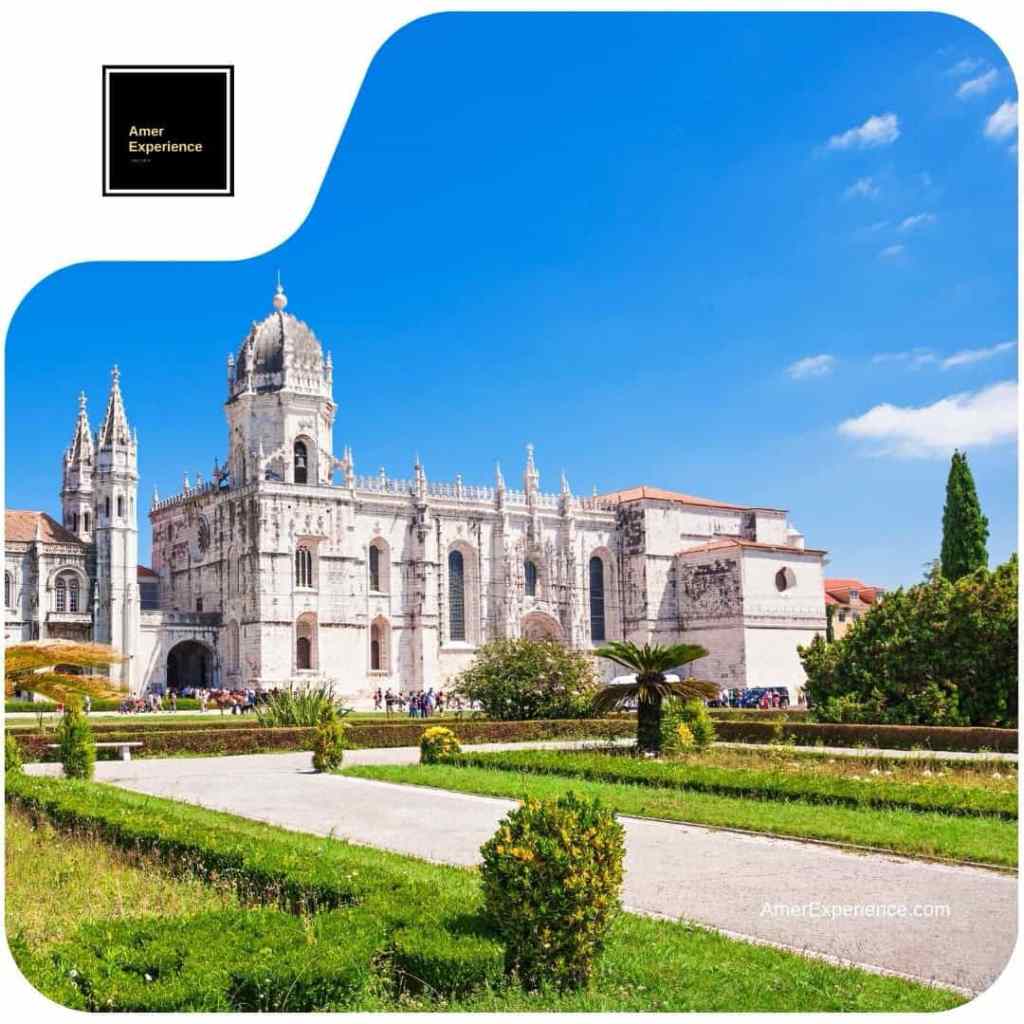
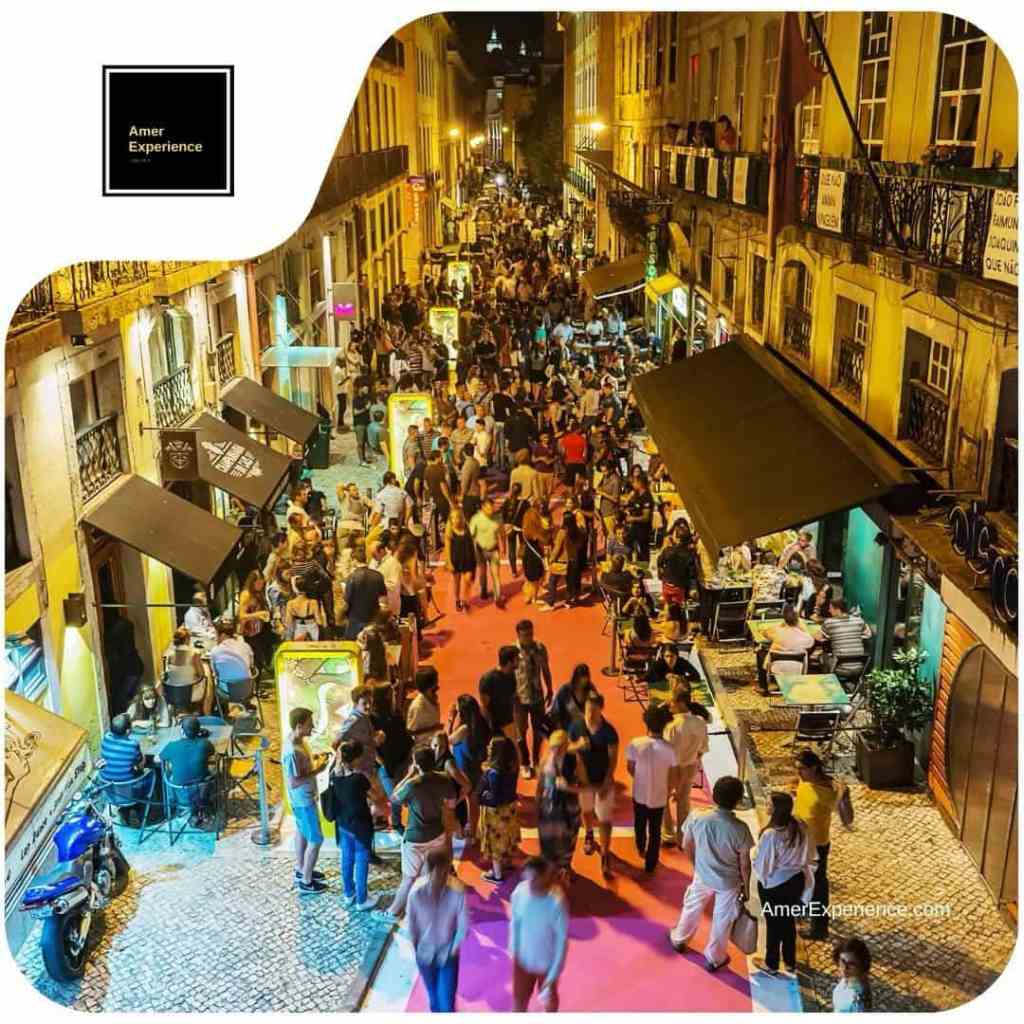
Finally, we must talk about the sensory logistics of the city. Lisbon is a tactile experience. You feel the grit of the stone, the cool ceramic of the walls, and the sea breeze that clears the humidity. It is a city that rewards the patient. If you rush, you miss the subtle shifts in atmosphere as you cross from the elegant, literary district of Chiado into the bohemian, chaotic nightlife of Bairro Alto. My professional insight is simple: Give Lisbon your time, and it will give you its soul. It is one of the few places left in Europe where the past and the future don’t just coexist; they dance together under that incredible, blinding Atlantic light.
10 Elements to Experience
- The Alfama Labyrinth: This is the oldest district in Lisbon, a Moorish maze where you must lose your map to find the city’s heart. Its steep stairs and hidden courtyards are the birthplace of Fado music.
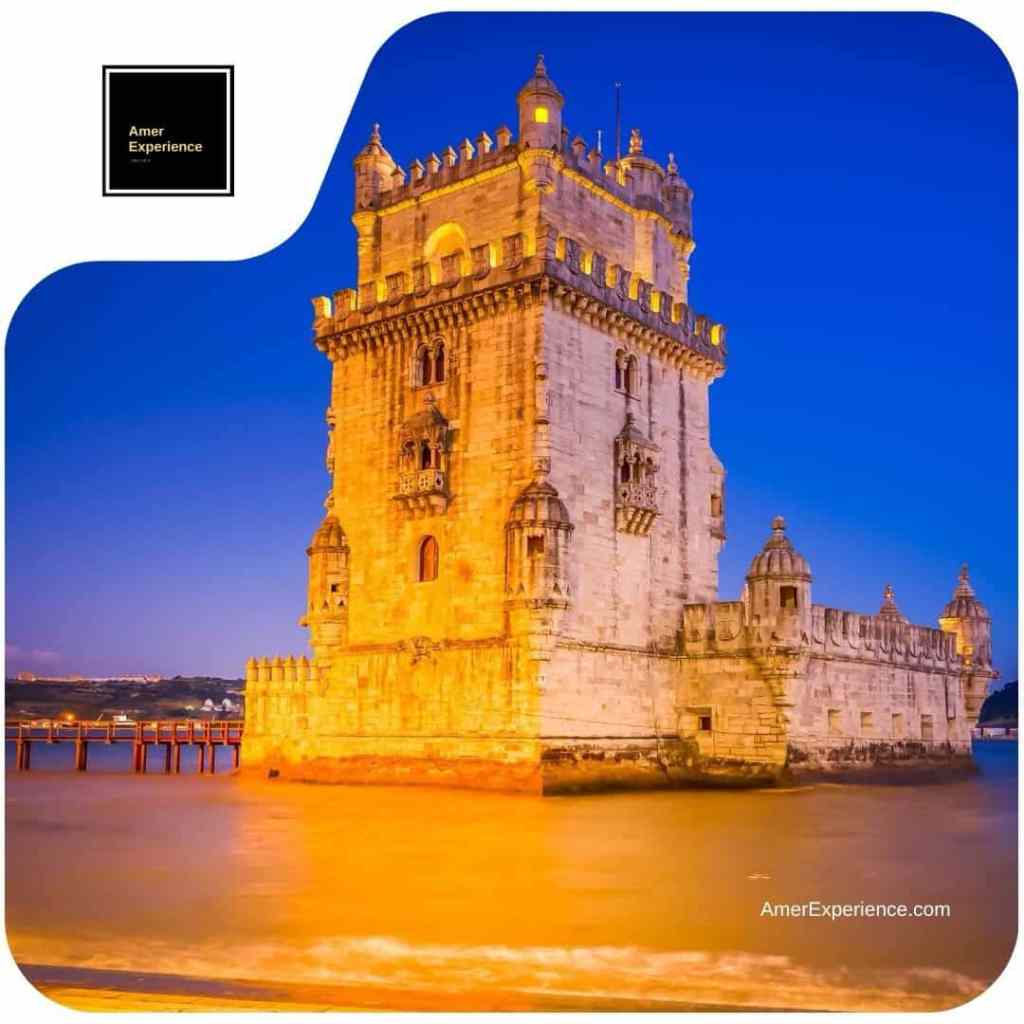
- Belém Tower: A UNESCO World Heritage site and a masterpiece of Manueline architecture. It served as both a fortress and a ceremonial gateway for Portuguese explorers departing for the unknown world.
- Jerónimos Monastery: An awe-inspiring monument to the Age of Discovery. The intricate stone carvings and the cloister represent the peak of Portuguese wealth and artistic ambition during the 16th century.
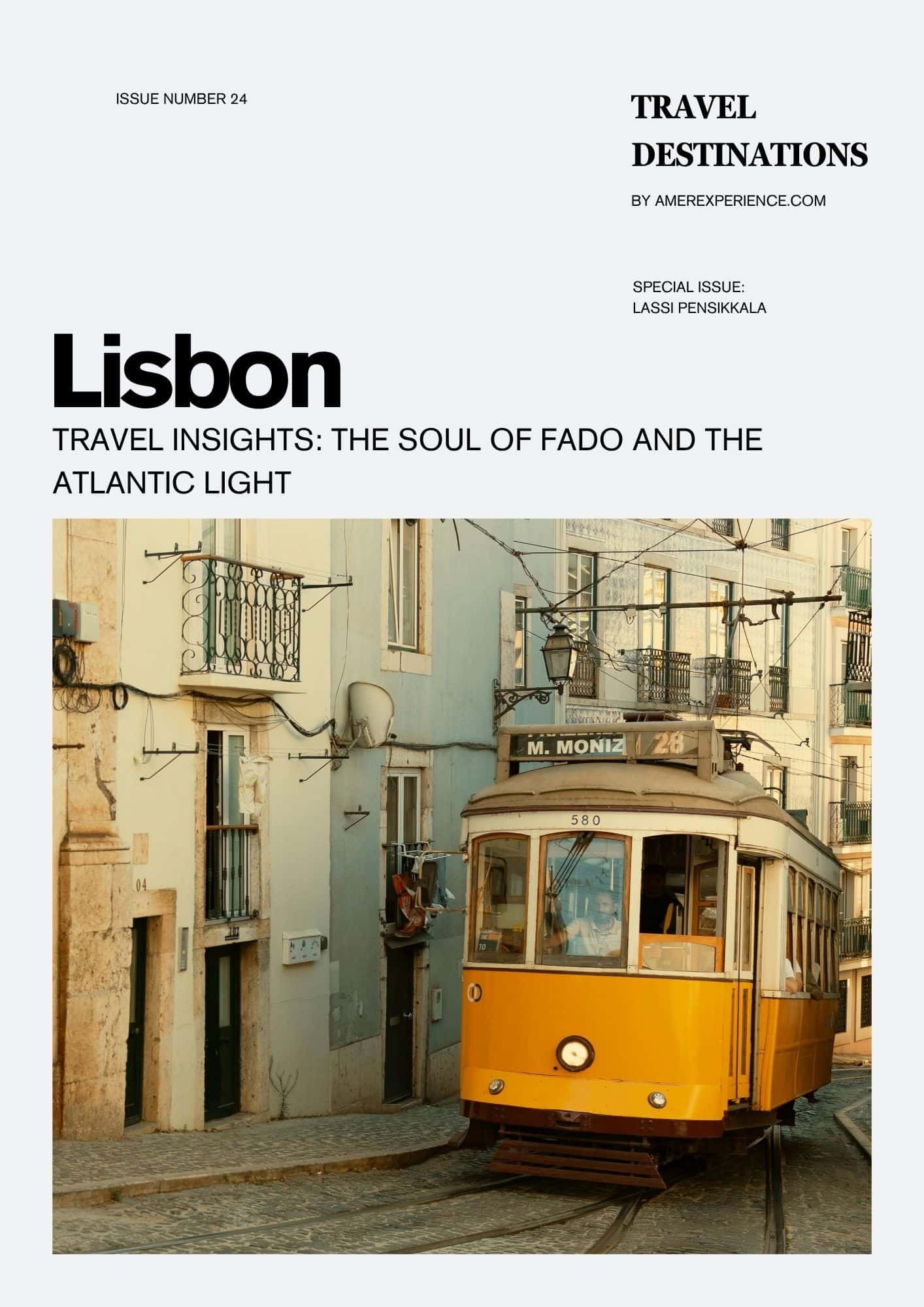
- Tram 28 Journey: Riding this vintage yellow tram is a logistical necessity and a thrill. It screeches through the narrowest streets of the historic center, offering a moving panoramic view of the city.
- Praça do Comércio: This grand, yellow-hued square opens directly onto the Tagus River. It was the commercial hub of the empire and remains one of the most majestic public spaces in Europe.
- São Jorge Castle: Perched on the highest hill, this Moorish citadel offers a 360-degree view of Lisbon’s red-tiled roofs. It is the perfect place to understand the city’s strategic defensive history.
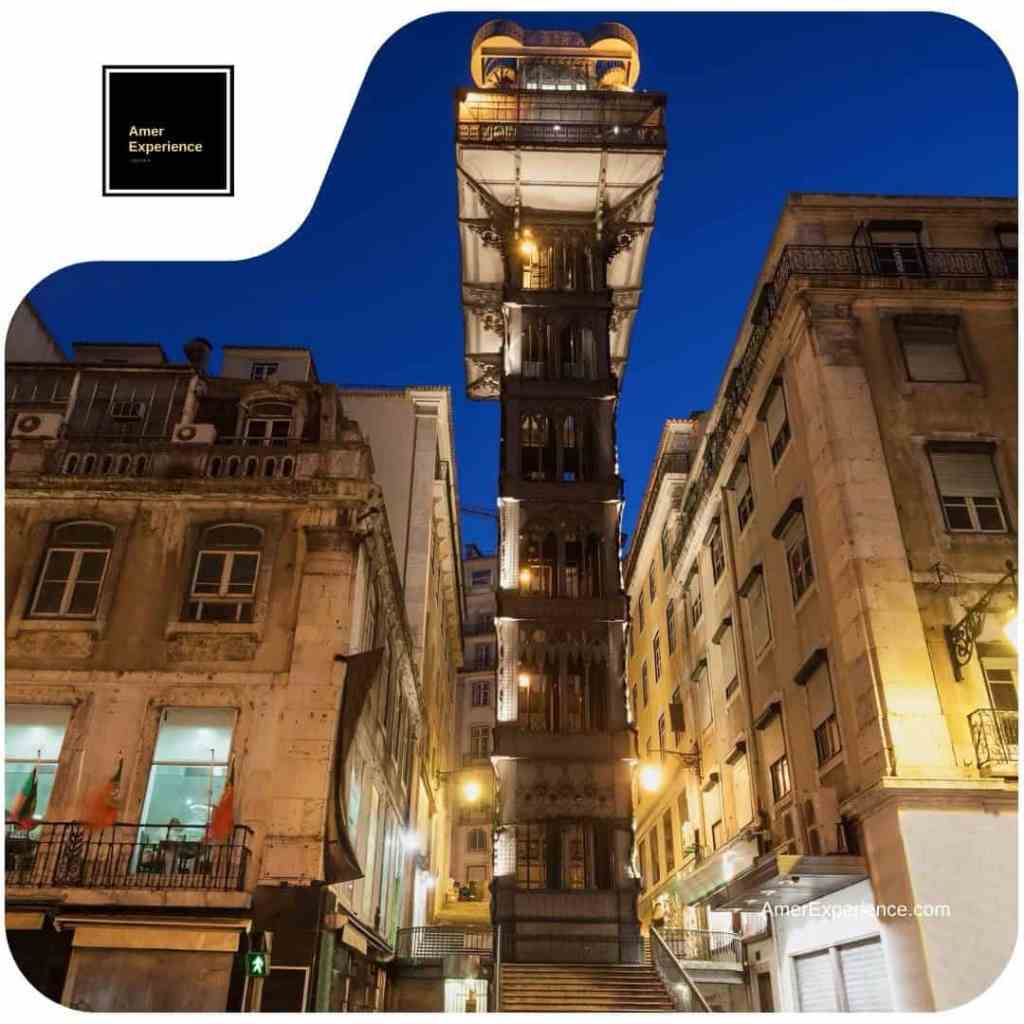
- Santa Justa Lift: A neo-Gothic iron elevator designed by a student of Gustave Eiffel. It connects the lower Baixa district with the higher Largo do Carmo, offering stunning architectural perspectives.
- LX Factory: A repurposed industrial complex in Alcântara that showcases Lisbon’s modern creative soul. It is a hub for street art, independent bookstores, and innovative dining in a gritty, urban setting.
- The National Tile Museum: Located in a former convent, this museum explores the 500-year history of the Azulejo. It is essential for understanding the visual and ceramic identity of Portugal.
- Fado in Mouraria: While Alfama is famous, the Mouraria district offers a more raw and authentic Fado experience. Listening to these soulful songs in a tiny, dimly lit tavern is an essential rite.
Local’s Secret Tip
Skip the crowded Santa Justa Lift and head to the Jardim do Recolhimento. Located just behind the São Jorge Castle, this hidden garden is often ignored by tourists. It offers one of the most stunning, unobstructed views over Alfama and the river from a quiet, shaded terrace. It is the perfect spot to escape the mid-day heat and enjoy a peaceful moment while watching the cruise ships dock in the distance.
What to Avoid
Do not fall for the “Tourist Menus” on Rua Augusta; the food is overpriced and lacks authenticity. Also, avoid wearing smooth-soled shoes; the traditional limestone cobblestones (Calçada) are notoriously slippery, even when dry. Finally, be wary of “Free” appetizers (bread, olives, cheese) placed on your table in restaurants—they are not free, and you will be charged for anything you touch.
Planning Your Visit:
Best Time to Visit: May to June is ideal, as the weather is warm and the purple Jacaranda trees are in full bloom. September is also excellent for the post-summer Atlantic light. Logistics: Use the VIVA Viagem card for all public transport. Group your visits by district (e.g., spend a full half-day in Belém) to avoid wasting time crossing the city’s hills repeatedly. Google Map: Save the “Miradouros” (viewpoints) as favorites to navigate the best sunset spots easily.
How it looks actually
Lisbon is a vibrant collage of pastel-colored buildings, blue ceramic tiles, and steep, winding streets. Under the bright Atlantic sun, the white stone pavement reflects a brilliant light that makes the city feel clean and energized. You will see historic yellow trams clattering past modern street art murals.
Pro-traveler Toolkit
Plan your trip
Tours & activities
Discover top-rated travel experiences worldwide.
Flights & hotels
Compare places to stay and plan your journey.
RecommendedTravel insurance
Prepare for unexpected situations during your trip.
Travel safety
Safety guidance, emergency numbers and useful contacts.

200+ Travel Destination Guides
Explore curated destination guides for the USA, Europe, Latin America and Scandinavia.
Recognized within Google’s AI-powered travel search results.
A growing travel-guide network covering the USA, Europe, Latin America and Scandinavia.
International insights for business travellers, entrepreneurs and decision-makers.
Download the ebooks →Disclosure: As an affiliate, I earn from qualifying purchases made through links on this page at no extra cost to you.
Download the Citymapper app for real-time tram and bus schedules. Purchase a VIVA Viagem card at any Metro station and use the “Zapping” method to top it up with credit. For payments, while cards are common, always carry Euro coins for small Tascas or historic kiosks that may have a 10€ minimum for card use.
Internal Links Section
For more expert advice for your next adventure, visit our guide: Portugal – best things to do. You can also download our complete collection of free 125 travel guides or get specific insights with our 37 free Europe travel guides and 60 USA travel guides. For those looking toward the southern hemisphere, explore the best things to do in Latin America, and do not miss the latest reports in our travel destinations magazine.
FAQ
Q: Is the Lisboa Card worth buying? A: Yes, if you plan to visit the major monuments in Belém and use the Santa Justa Lift, as it includes transport and entrance fees, saving you both money and time.
Q: Where can I find the best Pastéis de Nata? A: While Pastéis de Belém is the most famous, many locals prefer Manteigaria in Chiado or Fábrica da Nata for a fresher, often warmer experience.
Q: How do I get to Sintra from Lisbon? A: The most efficient way is the direct train from Rossio Station. The journey takes about 40 minutes and drops you right in the center of the historic town.
Warm regards,

Lassi Pensikkala
Destination expert & travel writer
Updated 2026 · © Lassi Pensikkala
This guide is part of my 125 USA, Europe, Latin America and Scandinavia Travel Guides, curated from decades of travel experience. Read and download the guides for free here
Claim Your Free Collection Now
AmerExperience is one of the most comprehensive independent multilingual travel publishing platforms covering destinations across Europe, the Americas, and beyond.
The world is waiting. Get your hands on the most ambitious free travel resource.
Disclosure: As an affiliate, I earn from qualifying purchases made through links in this post at no extra cost to you.

Frankfurt am Main travel insights – Skyline, Apfelwein & much more than a stopover
Frankfurt am Main travel insights – Frankfurt am Main is often overlooked by travelers passing through its airport, yet it offers a vibrant…
Keep reading
Oslo travel insights – Fjords, Vikings & the Nordic art of living well
Oslo travel insights – Oslo, the Norwegian capital, emphasizes relaxation over grand attractions, blending urban life with nature through its clean waterfront and…
Keep reading
Rio de Janeiro travel insights – Corcovado, Ipanema & the soul of the cariocas
Rio de Janeiro travel insights – Rio de Janeiro is a vibrant city that goes beyond its stunning landscapes. Here, nature, music, and…
Keep readingSomething went wrong. Please refresh the page and/or try again.
125 Free Travel Guides
Explore our collection of free travel guides for Europe, the USA and Latin America, created for travelers who want practical destination insight in one place.
Find more curated travel experiences and book safely with trusted partners on our Travel Hub → AmerExperience Travel Hub
