

English | Español | Deutsch | Svenska | Suomi

Charleston expert insights by Lassi Pensikkala
Charleston travel insights – Southern hospitality and cobblestone legacies | Charleston, South Carolina, is often described as a living museum, but to view it merely as a relic of the past is to miss the vibrant, breathing pulse of the American South. From my perspective as a destination management expert, Charleston represents one of the most successful examples of historical preservation married to a modern, high-end culinary and lifestyle scene. It is a city that has mastered the art of the “slow reveal.” You don’t just visit Charleston; you inhale it—the scent of jasmine in the spring, the salt air from the Battery, and the lingering echoes of a complex history that shaped a nation.

The city’s allure lies in its architectural integrity. Walking through the French Quarter or South of Broad, you aren’t looking at replicas; you are touching the same stucco and brick that survived the Civil War, devastating fires, and massive earthquakes. This resilience is the backbone of Charleston’s identity. However, as a professional in the travel industry, I look beyond the postcard-perfect steeples. The real insight into Charleston today is how it navigates its difficult past while celebrating the Gullah-Geechee culture provides the city with its soul, its flavors, and its rhythm.
Tourism here is sophisticated. The “Holy City” (so named for its numerous steeples and early religious tolerance) has moved beyond being a regional secret to a global powerhouse. Yet, it maintains a small-town intimacy. The hospitality is not just a marketing slogan; it is a cultural mandate. Whether you are checking into a restored mansion on Wentworth Street or grabbing a shrimp biscuit at a corner window, there is a level of service and genuine engagement that is becoming rare in overworked European hubs.

What makes Charleston stand out in a crowded travel market is its “Lowcountry” identity. This isn’t just the South; it’s a specific coastal ecosystem. The geography—a peninsula flanked by the Ashley and Cooper rivers—dictates the pace of life. The marshes, the pluff mud, and the barrier islands create a natural barrier that has kept the city’s historic core from becoming a sprawling metropolis. This containment is a blessing for the traveler, as it keeps the “Charleston Magic” concentrated.
In recent years, the city has faced the challenge of its own success. Balancing the needs of residents with the influx of cruise ships and millions of annual visitors requires a delicate hand in urban management. As an expert who evaluates destination sustainability, I find Charleston’s efforts to mitigate “overtourism” while maintaining economic growth to be a fascinating case study. They have focused on high-value, low-impact tourism, encouraging visitors to stay longer, explore the outlying plantations with more context, and engage with local artisans rather than mass-produced souvenirs.
When you sit at the bar of a high-end restaurant like Husk or Fig, you see the culmination of this effort. The ingredients are sourced from local waters and nearby farms, many of which are reviving heirloom crops like Carolina Gold rice. This “farm-to-table” movement isn’t a trend here; it’s a return to the city’s roots. For the discerning traveler, Charleston offers a rare opportunity to engage with history not as a static display, but as a sensory experience that continues to evolve. It is a destination that rewards curiosity and rewards those who take the time to walk, rather than drive, through its storied streets.
10 Elements to Experience
- The Battery and White Point Garden: This historic defensive seawall offers breathtaking views of Fort Sumter and the harbor. Walking under the canopy of ancient live oaks surrounded by grand antebellum mansions provides the quintessential Charleston atmosphere.
- The French Quarter: Known for its romantic gas-lit alleys and art galleries, this district is the heart of the old city. It is home to the famous Dock Street Theatre and the Pink House, the city’s oldest stone building.
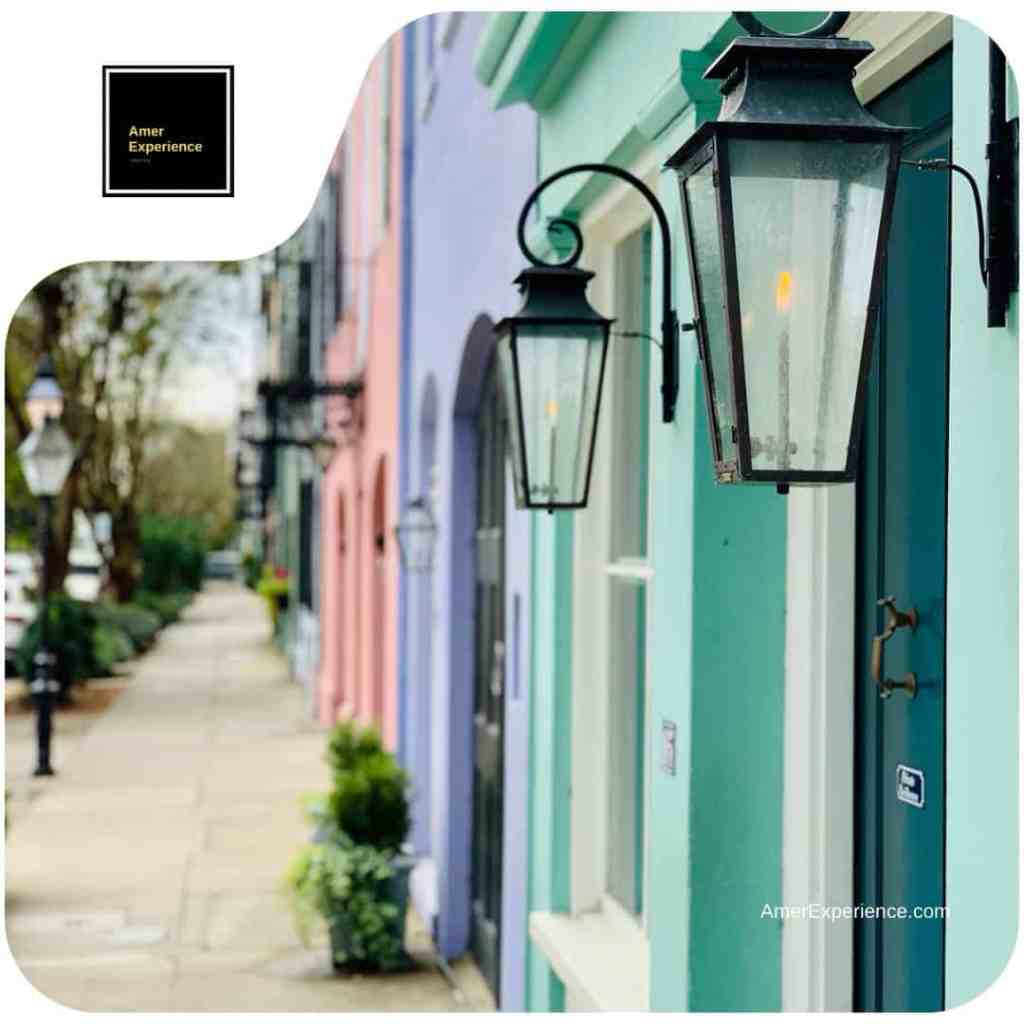
- Rainbow Row: A series of thirteen colorful historic houses on East Bay Street. These pastel-hued dwellings represent the post-Civil War restoration of the city and are among the most photographed landmarks in South Carolina.
- Charleston City Market: Operating since the 1790s, this central hub is where you can find authentic Sweetgrass baskets. Watching the Gullah artisans weave these intricate baskets from local marsh grass is a highlight of any visit.
- Fort Sumter National Monument: Accessible only by boat, this is where the first shots of the American Civil War were fired. The ferry ride provides excellent harbor views, and the fort offers deep historical context.
- Magnolia Plantation and Gardens: Founded in 1676, these are the oldest public gardens in America. The “romantic-style” gardens allow nature to flow freely, offering a stark and beautiful contrast to the manicured gardens of Europe.
- The Old Slave Mart Museum: Located in the building where enslaved people were once auctioned, this museum provides a necessary and somber look at the city’s role in the domestic slave trade, essential for understanding Charleston’s true history.
- St. Michael’s Episcopal Church: The oldest church building in Charleston, featuring a steeple that has survived wars and natural disasters. Its bells have crossed the Atlantic seven times, symbolizing the city’s deep connection to England.
- King Street: The city’s premier destination for shopping and dining. Divided into three sections—Antiques, Fashion, and Design—it offers everything from high-end boutiques to local craft shops and world-class restaurants.
- Angel Oak Tree: Located on nearby Johns Island, this massive live oak is estimated to be 400–500 years old. Its sprawling branches create a magical, cathedral-like atmosphere that feels completely removed from the modern world.
Pro-traveler Toolkit
Plan your trip
Tours & activities
Discover top-rated travel experiences worldwide.
Flights & hotels
Compare places to stay and plan your journey.
RecommendedTravel insurance
Prepare for unexpected situations during your trip.
Travel safety
Safety guidance, emergency numbers and useful contacts.

200+ Travel Destination Guides
Explore curated destination guides for the USA, Europe, Latin America and Scandinavia.
Recognized within Google’s AI-powered travel search results.
A growing travel-guide network covering the USA, Europe, Latin America and Scandinavia.
International insights for business travellers, entrepreneurs and decision-makers.
Download the ebooks →Disclosure: As an affiliate, I earn from qualifying purchases made through links on this page at no extra cost to you.
For navigating Charleston, the CARTA Dash Shuttle is your best friend—it’s a free trolley service that covers the main historic areas. I highly recommend downloading the Explore Charleston App for real-time event updates. Regarding payments, while cards are accepted everywhere, having a few small bills for tipping the carriage drivers or buying local crafts at the market is a polite local custom. For parking, use the Passport Parking App to avoid the stress of feeding meters in the narrow streets.
Local’s Secret Tip
Most tourists crowd the Battery at sunset, but for a truly local experience, head to Pitt Street Bridge in Mount Pleasant’s Old Village. It’s an old trolley bridge turned into a pedestrian pier. You’ll find locals fishing and crabbing, with a panoramic view of the Charleston skyline and the harbor islands without the downtown crowds. It’s the best spot for a quiet sunset walk.
The Soul of Charleston: History & Legends
The soul of Charleston is inextricably linked to the sea and the soil. Legend has it that the city is built on “spirits”—not just the ghosts that supposedly haunt the Unitarian Church graveyard, but the spirit of the Gullah people. Their language, music, and food (like Hoppin’ John and She-crab soup) are the DNA of the Lowcountry. The city’s layout, with its narrow “single houses” designed to catch the harbor breeze, tells a story of survival and adaptation to the sweltering Southern climate.
What to Avoid
Avoid taking a horse-drawn carriage tour during the peak heat of the day in July or August; it’s uncomfortable for both you and the horses. Also, steer clear of “tourist trap” seafood restaurants directly on the main harbor front that don’t list where their fish is caught. If the shrimp isn’t local “Lowcountry” shrimp, you are missing the point. Lastly, don’t try to drive South of Broad during rush hour—the streets are far too narrow for modern traffic.
Planning Your Visit:
- Best Time to Visit: Spring (March to May) for the blooming azaleas or Autumn (October to November) for mild weather and food festivals.
- Logistics: Charleston International Airport (CHS) is 20 minutes from downtown. A car is unnecessary if you stay in the historic district.
- Google Map: I suggest pinning “The Battery” as your starting point for any walking tour.
How it looks actually
Charleston looks like a watercolor painting come to life. The colors are soft—pinks, yellows, and “Haint Blue” porch ceilings. The streets are uneven, paved with ballast stones from old ships, and the gardens are hidden behind intricate wrought-iron gates. View on Google maps
Internal Links Section
For more expert advice for your next adventure, visit our guide Best things to do in Charleston. You can also download our complete collection of free 125 travel guides or get specific insights with our 37 free Europe travel guides and 60 USA travel guides. For those looking toward the southern hemisphere, explore the best things to do in Latin America, and do not miss the latest reports in our travel destinations magazine.
FAQ
1. Is Charleston a walkable city? Yes, the historic district is extremely walkable. In fact, walking is the best way to see the hidden gardens and architectural details that you would miss in a car.
2. What is the “Holy City” nickname about? Charleston was one of the few cities in the original colonies to promote religious tolerance, leading to a skyline dominated by the steeples of many different denominations.
3. Do I need to book restaurants in advance? Absolutely. Charleston is a top culinary destination. For popular spots like Husk or The Ordinary, booking 2–4 weeks in advance is highly recommended.
Warm regards,

Lassi Pensikkala
Destination expert & travel writer
Updated 2026 · © Lassi Pensikkala
This guide is part of my 125 USA, Europe, Latin America and Scandinavia Travel Guides, curated from decades of travel experience. Read and download the guides for free here
Claim Your Free Collection Now
AmerExperience is one of the most comprehensive independent multilingual travel publishing platforms covering destinations across Europe, the Americas, and beyond.
The world is waiting. Get your hands on the most ambitious free travel resource.
Disclosure: As an affiliate, I earn from qualifying purchases made through links in this post at no extra cost to you.

Frankfurt am Main travel insights – Skyline, Apfelwein & much more than a stopover
Frankfurt am Main travel insights – Frankfurt am Main is often overlooked by travelers passing through its airport, yet it offers a vibrant…
Keep reading
Oslo travel insights – Fjords, Vikings & the Nordic art of living well
Oslo travel insights – Oslo, the Norwegian capital, emphasizes relaxation over grand attractions, blending urban life with nature through its clean waterfront and…
Keep reading
Rio de Janeiro travel insights – Corcovado, Ipanema & the soul of the cariocas
Rio de Janeiro travel insights – Rio de Janeiro is a vibrant city that goes beyond its stunning landscapes. Here, nature, music, and…
Keep readingSomething went wrong. Please refresh the page and/or try again.
125 Free Travel Guides
Explore our collection of free travel guides for Europe, the USA and Latin America, created for travelers who want practical destination insight in one place.
Find more curated travel experiences and book safely with trusted partners on our Travel Hub → AmerExperience Travel Hub
