

Helsinki: architecture and the philosophy of Nordic design – To truly understand Helsinki, one must look past the austere facades of its neoclassical center and embrace the Finnish concept of Sisu—a stoic, resilient determination that is reflected in every granite block and glass pane of the city. As a Finn, I view our architecture not merely as aesthetic expression, but as a vital social investment. In a climate where the sun vanishes for months, design is a survival strategy. While other European capitals use grand monuments to project historical power, Helsinki uses architecture as a democratic tool to combat the challenges of the North and foster a deep sense of communal equality.

The true soul of the city is found in the philosophy of Nordic design: the belief that the built environment should be a functional extension of the natural world. Helsinki is a city where “Silence is a Design Element.” While Berlin is defined by its scars and Stockholm by its archipelago, Helsinki is defined by its proximity to the void—the vast, silent Finnish forests and the frozen expanse of the Baltic Sea. This proximity has birthed a unique architectural language that blends high-tech functionality with raw, organic materials like copper, birch, and granite.
The real insight for the traveler is that Helsinki is not just a city to be seen, but a city to be used. From the subterranean Rock Church to the futuristic Oodi Library, the architecture invites participation. It teaches us that true luxury is not found in ornamentation, but in the clarity of light, the warmth of wood, and the democratic access to beautiful spaces. To walk through Helsinki is to witness a society that has perfected the “Human-Centric City,” where design is the bridge between urban survival and spiritual peace.
10 Elements to Experience
- Helsinki Cathedral (Helsingin tuomiokirkko): This iconic white neoclassical landmark standing tall over Senate Square is the heart of our capital. Its symmetry provides a sense of civic order that feels almost meditative during the quiet, snowy winter months.
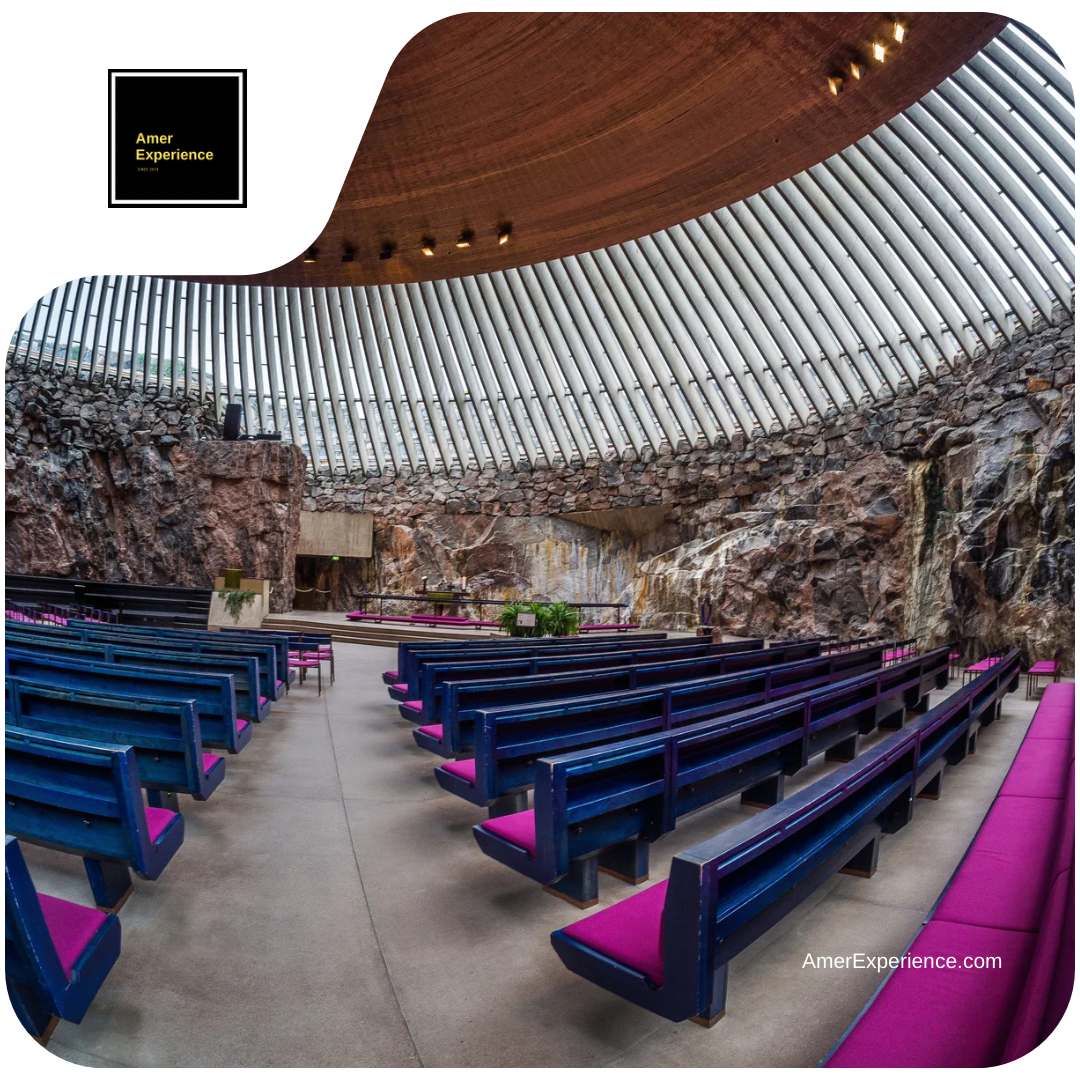
- Temppeliaukio (The Rock Church): Excavated directly into solid rock, this church is a masterpiece of modernism. Its copper-lined dome and natural stone walls create an acoustic and visual atmosphere that feels like being held in the very palm of the earth.
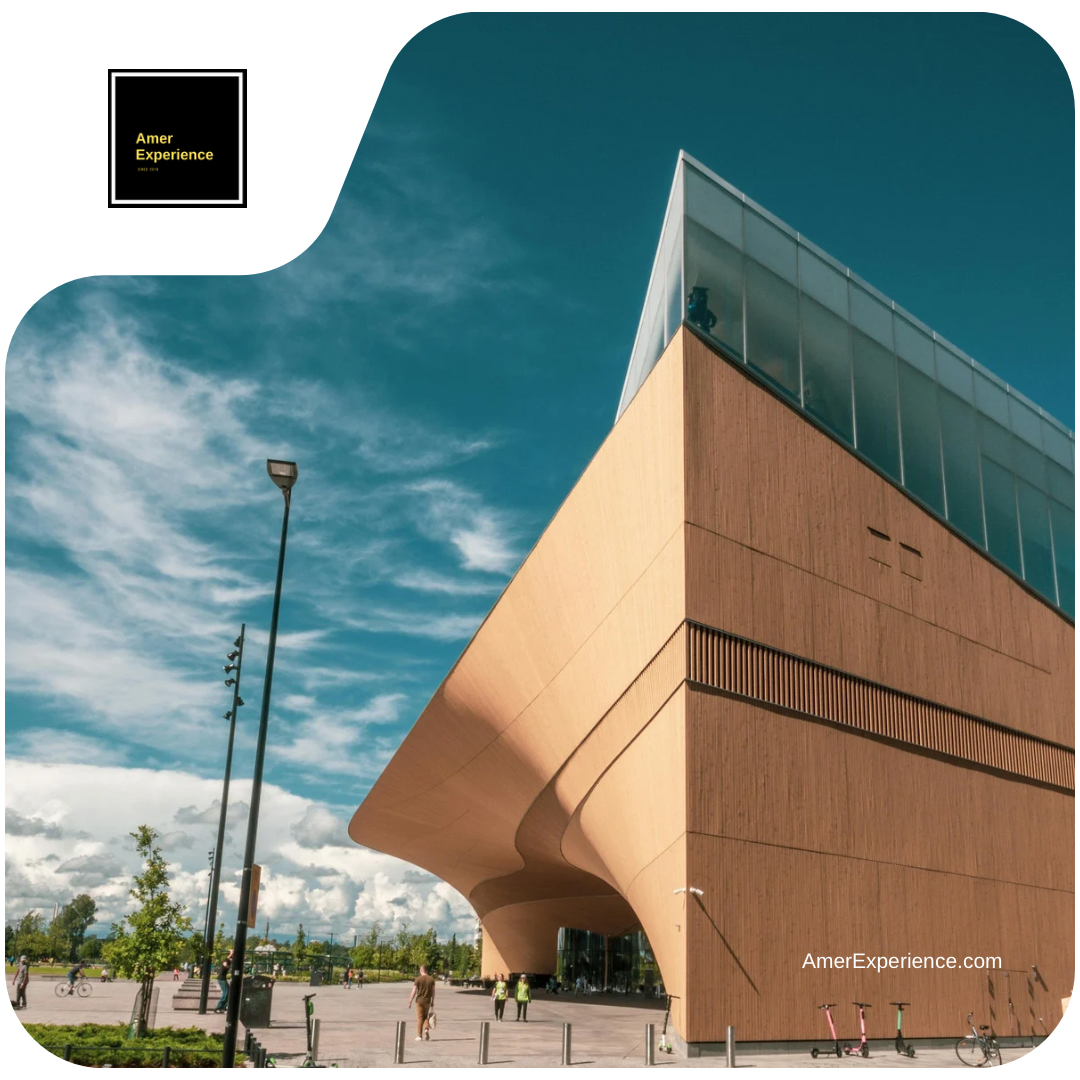
- Oodi Central Library: More than just a collection of books, Oodi is the “Living Room of the Nation.” Its undulating wooden facade and light-filled top floor represent the peak of modern Finnish social architecture—a place where everyone is truly welcome to create, work, or rest.
- Suomenlinna Sea Fortress: A UNESCO World Heritage site spread across six islands. It is a sprawling complex of tunnels, cannons, and barracks that offers a rugged, maritime history lesson. For us, it is a favorite spot for a “Slow Travel” picnic among the ruins.
- Löyly: A striking wooden sauna complex on the waterfront. It blends traditional Finnish sauna culture with bold, contemporary design. The building is designed to age naturally and eventually blend into the rocky coastline.
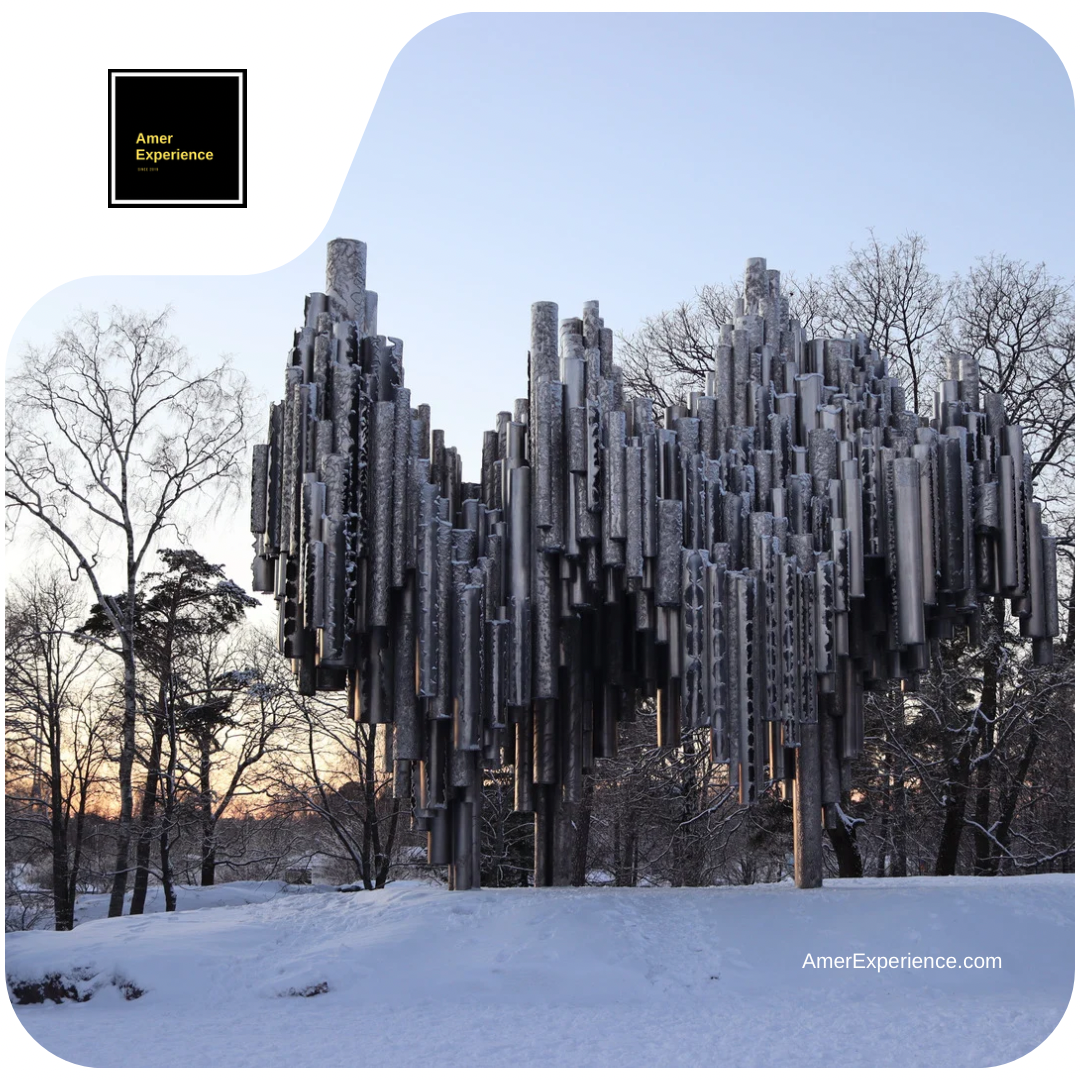
- Sibelius Monument: Dedicated to our most famous composer, Jean Sibelius. This abstract sculpture made of 600 hollow steel pipes captures the essence of the Finnish landscape—when the wind blows, the sculpture sings with the voice of the forest.
- Kamppi Chapel (Chapel of Silence): Located in one of the city’s busiest areas, this curved wooden structure offers a sanctuary of absolute silence. It is a masterclass in using spruce wood to create a sense of protection and mental clarity.
- Design District Helsinki: A collection of 200 boutiques and workshops across the Punavuori area. It is the beating heart of our creative industry and the best place to understand why Finnish design is synonymous with reliability and durability.
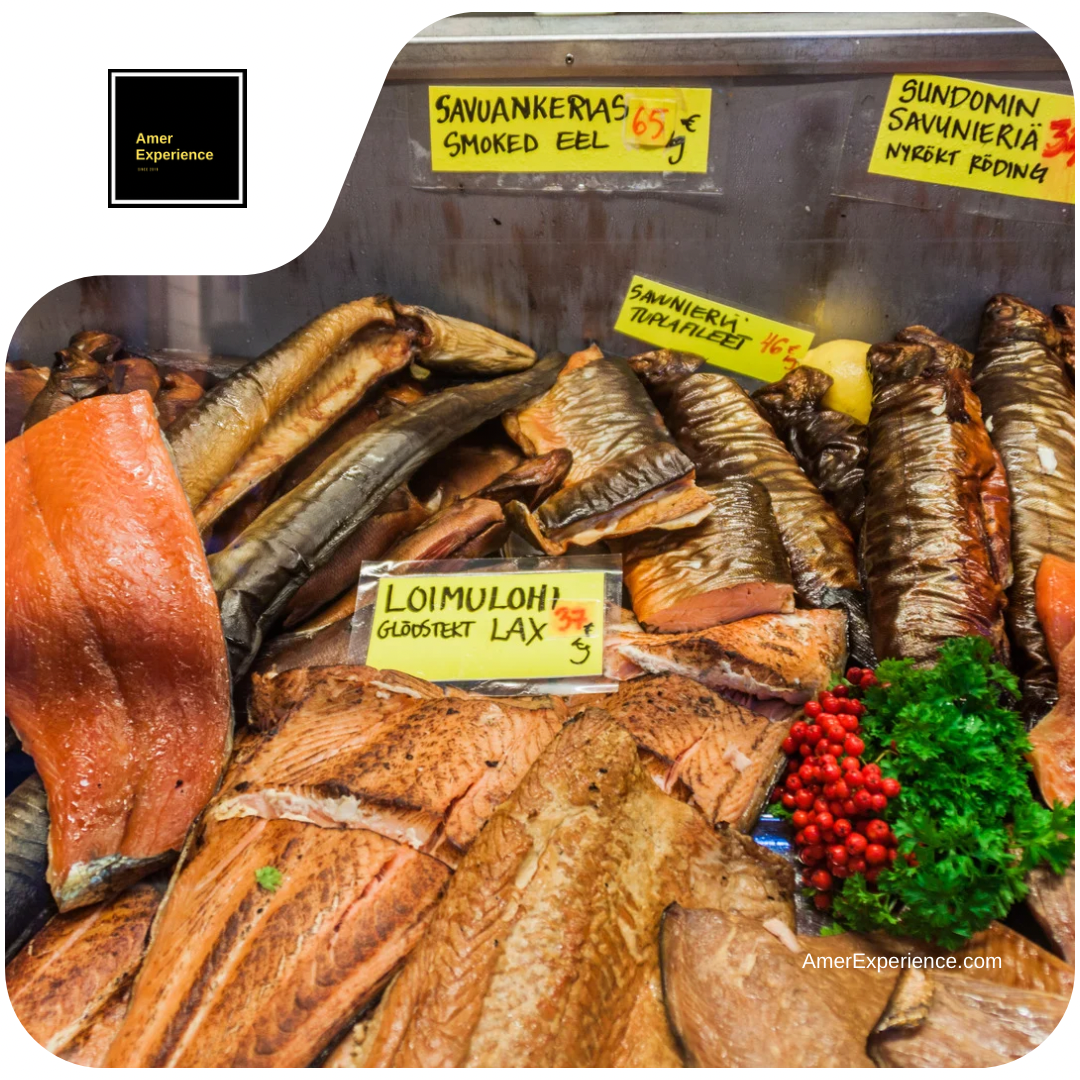
- Old Market Hall (Vanha Kauppahalli): Serving locals since 1889, this brick building is essential for tasting traditional delicacies like reindeer meat, salmon soup, and the legendary Finnish rye bread.
- Amos Rex: An underground art museum whose roof forms a series of futuristic, undulating hills in the Lasipalatsi square. It shows how we reimagined urban space by going beneath the surface to create public playgrounds.
Local’s Secret Tip
While tourists flock to the commercial saunas, the true Helsinki ritual is found at Kotiharjun Sauna in the Kallio district. This is the last traditional wood-heated public sauna in the city, operating since 1928. There are no fancy amenities—just raw, intense heat (löyly) and a sense of timeless community. The real “pro” move? After your session, wrap yourself in a towel and stand on the sidewalk outside with a cold drink, regardless of the temperature. It is the ultimate display of Finnish resilience and the most authentic way to meet the locals in their natural habitat.
What to Avoid
Avoid the “Viking” stereotypes; we are Nordic, but not Scandinavian, and we are proud of our distinct language and culture. Do not make the mistake of trying to make small talk with strangers at a bus stop; we value personal space and silence, and unprovoked conversation can be seen as intrusive. Never wear your shoes inside a Finnish home; it is a major sign of disrespect and a practical disaster in our climate. Lastly, avoid the Market Square (Kauppatori) for main meals during summer; the seagulls are notoriously aggressive and will literally steal a salmon pastry right out of your hand.
Planning Your Visit
- Best time to travel: May to September for the “White Nights” when the sun barely sets. Alternatively, February for a true winter experience and the chance to walk on the frozen sea.
- Location:
How it looks actually
The visual reality of Helsinki is a study in textures: the rough-hewn granite, the smooth birch wood, and the slate-gray of the Baltic. The city feels spacious and orderly, with a distinct lack of visual clutter and a population that values functional, high-quality design.
Pro-traveler Toolkit
Download the HSL App for all public transport; it is the only way to manage fares efficiently. Invest in a Helsinki Card if you plan to visit several museums.
Plan your trip
Tours & activities
Discover top-rated travel experiences worldwide.
Flights & hotels
Compare places to stay and plan your journey.
RecommendedTravel insurance
Prepare for unexpected situations during your trip.
Travel safety
Safety guidance, emergency numbers and useful contacts.

200+ Travel Destination Guides
Explore curated destination guides for the USA, Europe, Latin America and Scandinavia.
Recognized within Google’s AI-powered travel search results.
A growing travel-guide network covering the USA, Europe, Latin America and Scandinavia.
International insights for business travellers, entrepreneurs and decision-makers.
Download the ebooks →Disclosure: As an affiliate, I earn from qualifying purchases made through links on this page at no extra cost to you.
Internal Links
Visit our Finland best things to do guide, explore our free 125 travel guides, and read our travel destinations magazine.
FAQ
- Is Helsinki safe? Yes, it is consistently ranked as one of the safest cities in the world.
- Can I see the Northern Lights? It is rare in the city due to light pollution; for a guarantee, you must head north to Lapland.
- Is the tap water drinkable? Yes, it is among the cleanest and best-tasting water in the world.
Warm regards,

Lassi Pensikkala
Destination expert & travel writer
Updated 2026 · © Lassi Pensikkala
This guide is part of my 125 USA, Europe, Latin America and Scandinavia Travel Guides, curated from decades of travel experience. Read and download the guides for free here
Claim Your Free Collection Now
AmerExperience is one of the most comprehensive independent multilingual travel publishing platforms covering destinations across Europe, the Americas, and beyond.
The world is waiting. Get your hands on the most ambitious free travel resource.
Disclosure: As an affiliate, I earn from qualifying purchases made through links in this post at no extra cost to you.

Frankfurt am Main travel insights – Skyline, Apfelwein & much more than a stopover
Frankfurt am Main travel insights – Frankfurt am Main is often overlooked by travelers passing through its airport, yet it offers a vibrant…
Keep reading
Oslo travel insights – Fjords, Vikings & the Nordic art of living well
Oslo travel insights – Oslo, the Norwegian capital, emphasizes relaxation over grand attractions, blending urban life with nature through its clean waterfront and…
Keep reading
Rio de Janeiro travel insights – Corcovado, Ipanema & the soul of the cariocas
Rio de Janeiro travel insights – Rio de Janeiro is a vibrant city that goes beyond its stunning landscapes. Here, nature, music, and…
Keep readingSomething went wrong. Please refresh the page and/or try again.
125 Free Travel Guides
Explore our collection of free travel guides for Europe, the USA and Latin America, created for travelers who want practical destination insight in one place.
Find more curated travel experiences and book safely with trusted partners on our Travel Hub → AmerExperience Travel Hub
