
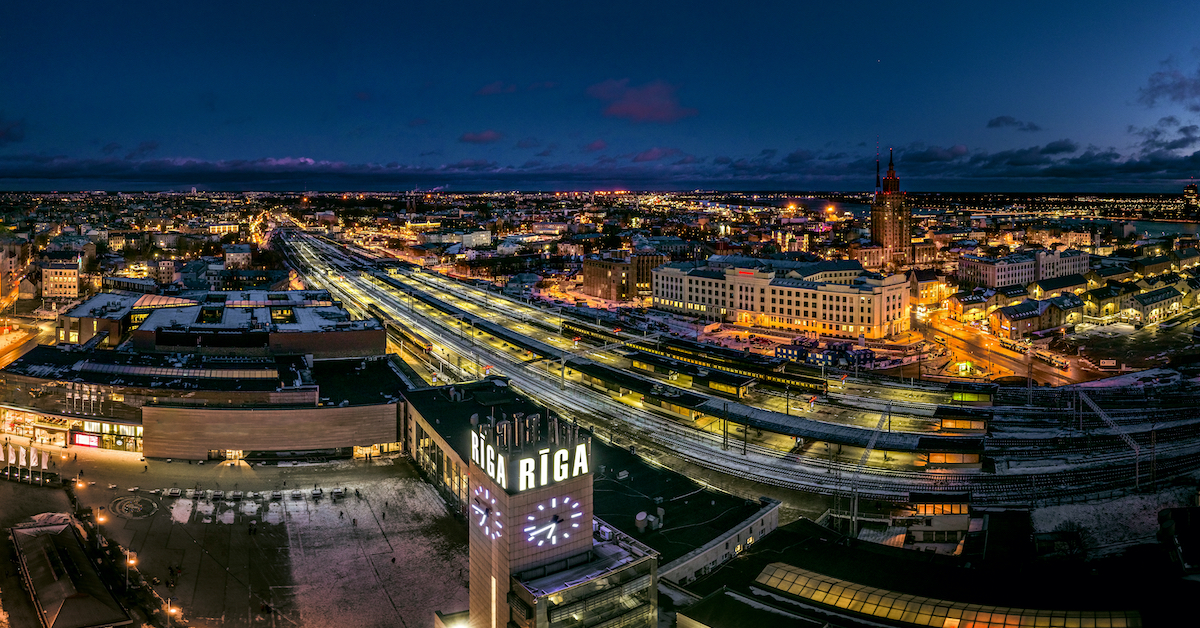
Travel Europe: the Baltic states move closer to the European high-speed rail network
A historic transformation in Northern Europe
One of the most important long-term infrastructure developments in Europe is currently taking place across Estonia, Latvia and Lithuania. The Rail Baltica project aims to connect the Baltic states directly with the wider European railway system through a modern standard-gauge railway corridor linking Tallinn, Riga, Kaunas, Warsaw and eventually the broader European high-speed rail network.
Although the project is still under construction and not yet operating as a full high-speed passenger system, Rail Baltica is very real and continues progressing across the region. Different sections are currently being built or prepared in Estonia, Latvia and Lithuania, while stations, bridges and rail infrastructure are advancing step by step.
The project represents far more than transportation alone. It symbolizes economic integration, regional modernization and the growing international importance of the Baltic region within Europe.
The Baltics are becoming more accessible
For many years, the Baltic states remained somewhat separate from the main European rail network due to historical infrastructure inherited from the Soviet era. Rail Baltica changes this fundamentally by connecting the region directly with the European standard-gauge system used across most of continental Europe.
For travelers, this could eventually create entirely new ways of exploring Northern and Eastern Europe. Multi-country train journeys linking the Baltics with Poland and Central Europe may become significantly easier in the future.
The project also supports tourism growth by improving accessibility to cities such as Tallinn, Riga and Vilnius, all of which continue gaining popularity among international travelers.
Our Baltic States travel guides ↗ already highlight how the region combines medieval architecture, Nordic atmosphere, modern digital culture and relatively affordable premium travel experiences.
Ideas: Travel – Viaje – Reise – Resa – Matka
Disclosure: As an affiliate, I earn from qualifying purchases made through links in this post at no extra cost to you.
Is Rail Baltica truly high-speed rail?
Technically, Rail Baltica is designed as a modern high-speed-capable railway according to European standards. Planned passenger train speeds are expected to reach up to around 249 km/h in some sections, which places the project within the high-speed rail category.
However, the full system is not yet completed, and many sections remain under construction or development. The project has also faced delays, financing discussions and political challenges, which is common for infrastructure projects of this scale.
So while the original headlines may have sounded futuristic, the railway itself is not a fantasy project. Rail Baltica exists, construction is ongoing and the long-term vision remains active.
A strategic project beyond tourism
Rail Baltica also carries enormous geopolitical and economic significance for the region. The railway strengthens logistical links between the Baltic states and the European Union while reducing dependence on older east-oriented infrastructure systems.
For business travel, logistics and trade, the long-term implications could become very important. Faster regional mobility may encourage more conferences, business investment, startup ecosystems and international cooperation throughout the Baltics.
Tallinn, Riga and Vilnius increasingly position themselves as innovative European capitals with strong technology sectors, growing tourism industries and modern urban infrastructure.
Our Estonia travel guides ↗, Latvia travel guides ↗ and Lithuania travel guides ↗ explore many of the cultural, historical and modern experiences attracting visitors to the region today.
Europe’s rail renaissance
The Rail Baltica project also reflects a broader shift happening across Europe. Interest in rail travel has increased significantly during recent years due to sustainability concerns, airport congestion, environmental awareness and the growing appeal of slower, more scenic travel experiences.
Modern travelers increasingly value city-center connections, reduced airport stress and the possibility of combining multiple destinations within one rail journey.
At the same time, governments and the European Union continue investing heavily in rail infrastructure as part of long-term climate and mobility strategies.
The Baltic region now forms part of that wider European rail transformation.
Planning your trip
Plan your trip
Tours & activities
Discover top-rated travel experiences worldwide.
Flights & hotels
Compare places to stay and plan your journey.
RecommendedTravel insurance
Prepare for unexpected situations during your trip.
Travel safety
Safety guidance, emergency numbers and useful contacts.

200+ Travel Destination Guides
Explore curated destination guides for the USA, Europe, Latin America and Scandinavia.
Recognized within Google’s AI-powered travel search results.
A growing travel-guide network covering the USA, Europe, Latin America and Scandinavia.
International insights for business travellers, entrepreneurs and decision-makers.
Download the ebooks →Disclosure: As an affiliate, I earn from qualifying purchases made through links on this page at no extra cost to you.
For travelers interested in discovering the Baltic region further, our Baltic States travel guides ↗, Estonia travel guides ↗, Latvia travel guides ↗ and Lithuania travel guides ↗ offer inspiration covering medieval cities, Baltic coastlines, Nordic-Baltic culture, gastronomy and modern urban experiences.
Travelers can also compare city tours, historical excursions and local activities through Viator ↗ and GetYourGuide ↗, especially when planning multi-country Baltic itineraries.
The Baltic region is entering a new era
After many years observing European tourism and international mobility trends, it is clear that the Baltic states are becoming increasingly integrated into the wider European travel ecosystem.
Rail Baltica represents more than a railway. It reflects the long-term transformation of Estonia, Latvia and Lithuania into modern, internationally connected destinations combining innovation, culture, history and strategic importance within Europe.
And although the full railway network still requires years of development, its impact on the future identity and accessibility of the Baltic region is already becoming visible today.
AmerExperience – The only multilingual Travel Destination Magazines
Curated travel destination magazines for free: 🇬🇧 🇪🇸 🇩🇪 🇸🇪 🇫🇮
Read more AmerExperience™ travel magazines

Frankfurt am Main travel insights – Skyline, Apfelwein & much more than a stopover
Frankfurt am Main travel insights – Frankfurt am Main is often overlooked by travelers passing through its airport, yet it offers a vibrant and sociable city experience…
Keep reading
Oslo travel insights – Fjords, Vikings & the Nordic art of living well
Oslo travel insights – Oslo, the Norwegian capital, emphasizes relaxation over grand attractions, blending urban life with nature through its clean waterfront and modern architecture. Visitors admire…
Keep reading
Rio de Janeiro travel insights – Corcovado, Ipanema & the soul of the cariocas
Rio de Janeiro travel insights – Rio de Janeiro is a vibrant city that goes beyond its stunning landscapes. Here, nature, music, and human connection flourish in…
Keep readingSomething went wrong. Please refresh the page and/or try again.
Monaco All Nice Activities and Tours
Europe Tours and Activities
Warm regards,

Lassi Pensikkala
Destination expert & travel writer
Updated 2026 · © Lassi Pensikkala
This guide is part of my 125 USA, Europe, Latin America and Scandinavia Travel Guides, curated from decades of travel experience. Read and download the guides for free here
Claim Your Free Collection Now
AmerExperience is one of the most comprehensive independent multilingual travel publishing platforms covering destinations across Europe, the Americas, and beyond.
The world is waiting. Get your hands on the most ambitious free travel resource.
Disclosure: As an affiliate, I earn from qualifying purchases made through links in this post at no extra cost to you.
125 Free Travel Guides
Explore our collection of free travel guides for Europe, the USA and Latin America, created for travelers who want practical destination insight in one place.
Find more curated travel experiences and book safely with trusted partners on our Travel Hub → AmerExperience Travel Hub
