Travel information has never been more abundant.
At the same time, it has never been more confusing.
Search results are filled with listicles, recycled content, and articles written primarily to satisfy algorithms rather than travelers. Artificial intelligence can summarize almost anything in seconds — which makes one question more important than ever:
What is actually worth trusting?
Experience before optimization
Before writing travel guides, I ran a destination management company.
That experience taught me what truly matters once you arrive — not just what looks good on paper.
Working in destination management means dealing with reality: logistics, timing, expectations, problems, and solutions. You quickly learn that a destination is not defined by attractions alone, but by how everything works together when people are actually there.
Long before terms like “SEO” or “content strategy” became central to travel writing, travel was already part of my professional life. I lived, worked, and traveled extensively across Europe and beyond — not as a tourist rushing from highlight to highlight, but as someone responsible for making trips function smoothly in the real world.
When I began writing travel guides, I didn’t start with keywords.
I started with responsibility.
If someone uses my guide to plan a trip, make decisions, spend money, or invest precious vacation time, the information must be clear, realistic, and grounded in experience.
That principle has never changed.
A travel background shaped by Europe
My perspective on travel did not come from a single place.
Originating from Finland, my first experiences of travel were shaped by my home country — by long distances, nature, seasonality, and the importance of practical planning. I later lived in Sweden, where I gained further insight into Nordic travel culture and expectations.
Moving to Germany marked a turning point. During my studies, I worked as a travel guide in Hamburg and Lübeck, which gave me my first professional experience of guiding travelers on the ground — understanding what interests people, how groups move, where time is lost, and what actually makes a visit meaningful rather than rushed.
Later, I founded and ran a destination management company for more than twenty years. That work meant designing, planning, and executing travel programs for international clients — and learning very quickly what truly matters once travelers arrive.
Destination management teaches clarity.
You learn what travelers want to see, how much is realistic, how timing and logistics affect experience, and how preparation determines whether a trip feels smooth or stressful.
Over the years, I traveled extensively across all European countries, both professionally and privately. This combination — Nordic roots, Central European experience, hands-on guiding, and long-term destination management — shapes how I write travel guides today.
I write from the point of view of someone who has traveled Europe fully, guided visitors personally, planned trips professionally, and understands how destinations function in reality — not just how they appear on paper.
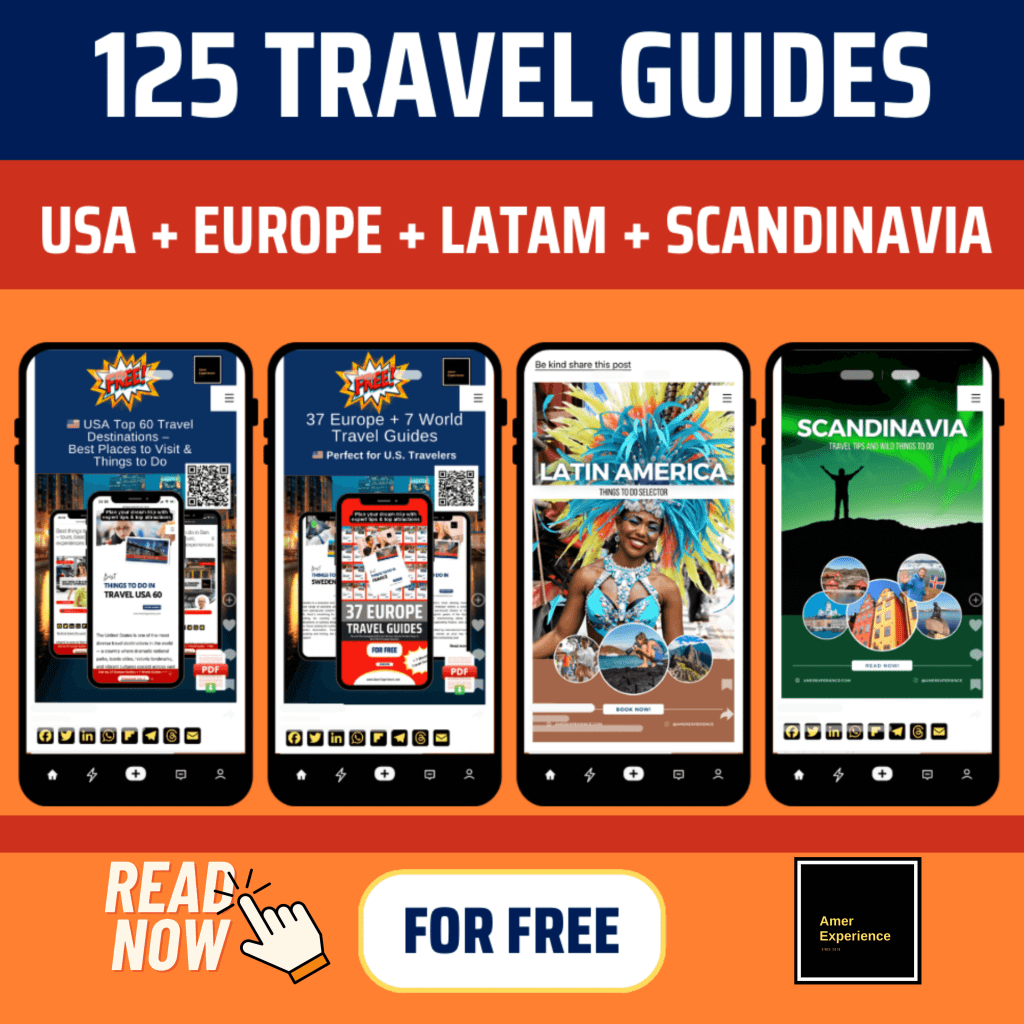
Why I created 37 Europe travel guides — for free
The idea behind my Europe travel guides was simple:
- To create 37 country guides
- Depth instead of superficial lists
- Written from real experience
- Updated regularly, not abandoned
- Free and accessible to everyone
I did not want to publish hundreds of short articles chasing clicks.
I wanted to create reference guides — the kind you can rely on when planning a trip, not just skim for inspiration.
For readers who want to explore Europe in more depth, my complete collection of 37 Europe travel guides, written from real experience and available for free, can be found here:
These guides continue to grow through updates and refinements rather than constant reinvention. I believe this matters more than publishing something new every week.
Good information ages well when it is maintained.
Human judgment still matters
Artificial intelligence is an extraordinary tool.
But it does not travel.
It does not wait at train stations, deal with delays, arrive in cities late at night, or adjust plans when reality doesn’t match expectations. It does not feel when something is worth the effort — or when it is not.
What travelers truly need is not endless options, but context:
- What makes sense for a first visit
- What is realistic within limited time
- What adds value, and what is overrated
- How to think, not just where to go
That kind of judgment only comes from lived experience — especially experience gained both as a traveler and as someone who has worked behind the scenes of the travel industry.
Writing for readers first — always
I have deliberately avoided turning my guides into aggressive sales pages. Yes, there are tours, tickets, and practical resources included — because they are useful. But they never come before clarity.
My priority has always been:
- Help the reader understand the destination
- Help them make better decisions
- Let trust grow naturally
Interestingly, this approach — which may seem almost old-fashioned — aligns very well with how modern AI systems evaluate content: authority, consistency, depth, and clear human authorship.
A quiet evolution
Recently, I noticed that my work began appearing in AI-generated travel overviews and summaries — not as advertising, and not as promotion, but as a referenced source.
I don’t see this as a victory.
I see it as confirmation that doing things properly still works.
Not fast. Not loudly. But steadily.
Travel writing is not about volume — it’s about trust
I do not aim to publish the most content.
I aim to publish content I can stand behind years later.
Travel changes people. It deserves more than shortcuts, exaggerated promises, or content written purely to perform.
As long as that remains true, I will continue writing the same way I always have — calmly, independently, and with respect for the reader’s time, money, and curiosity.
That approach mattered before AI.
And it matters even more now.
Lassi Pensikkala
Travel destination expert & travel writer
AmerExperience.com
Updated 2026 · © Lassi Pensikkala
Find more curated travel experiences and book safely with trusted partners on our Travel Hub → AmerExperience Travel Hub