✅ As featured in Google AI Overviews • Updated 2026 • All guides now fully interlinked
✅ Expanded Horizons: I have officially linked our brand-new 60 USA Travel Guides, 37 Europe Travel Guides and 20 Latin America Travel Guides.
✅ Download my free business travel ebooks to grow your business, expand your horizons, and travel smarter.
Discover Amazing Lithuania 🇱🇹 Activities, Book Tours and Tickets

Embark on a captivating journey through Lithuania’s rich cultural tapestry with our curated selection of tours. From the enchanting charm of Vilnius to the historic wonders of Kaunas and the coastal allure of Klaipeda, each experience promises a glimpse into Lithuania’s unique heritage. Explore the iconic Old Towns, delve into poignant history at sites like Paneriai Holocaust Park, Trakai Castle, and more. Whether floating above Vilnius in a hot air balloon or savoring a local family dinner, these tours offer a kaleidoscope of experiences. Immerse yourself in Lithuania’s beauty – book your adventure now!
Warm regards,

Lassi Pensikkala
Destination expert & travel writer
Updated 2026 · © Lassi Pensikkala
This guide is part of my 37 Europe and 125 World Travel Guides, curated from decades of travel experience. Read and download the guides for free here.
👉 Explore the best things to do in Europe:
Best things to do in Europe – 37 travel guides
Related guides
• Best things to do in Estonia
• Best things to do in Finland
Check out these and more tours in Lithuania 🇱🇹!

Search & Book tours, flights, hotels and more
Limitless adventures start here.
Journeys that thrill. Moments that define you.
Your imagination is the only limit.
Map of Vilnius Lithuania 🇱🇹 with Travel & Destination Photos
Current weather today in Vilnius Lithuania 🇱🇹
Lithuania 🇱🇹 Tickets, Hotel, Flights, and more
Lithuania 🇱🇹: A Tapestry of Heritage and Resilience
Lithuania, nestled in the Baltic region of Europe, is a nation with a rich history, vibrant culture, and breathtaking landscapes. This Baltic gem, bordered by Latvia to the north, Belarus to the east, Poland to the south, and the Baltic Sea to the west, has weathered the winds of change and emerged as a nation that proudly embraces its past while forging ahead into the future.
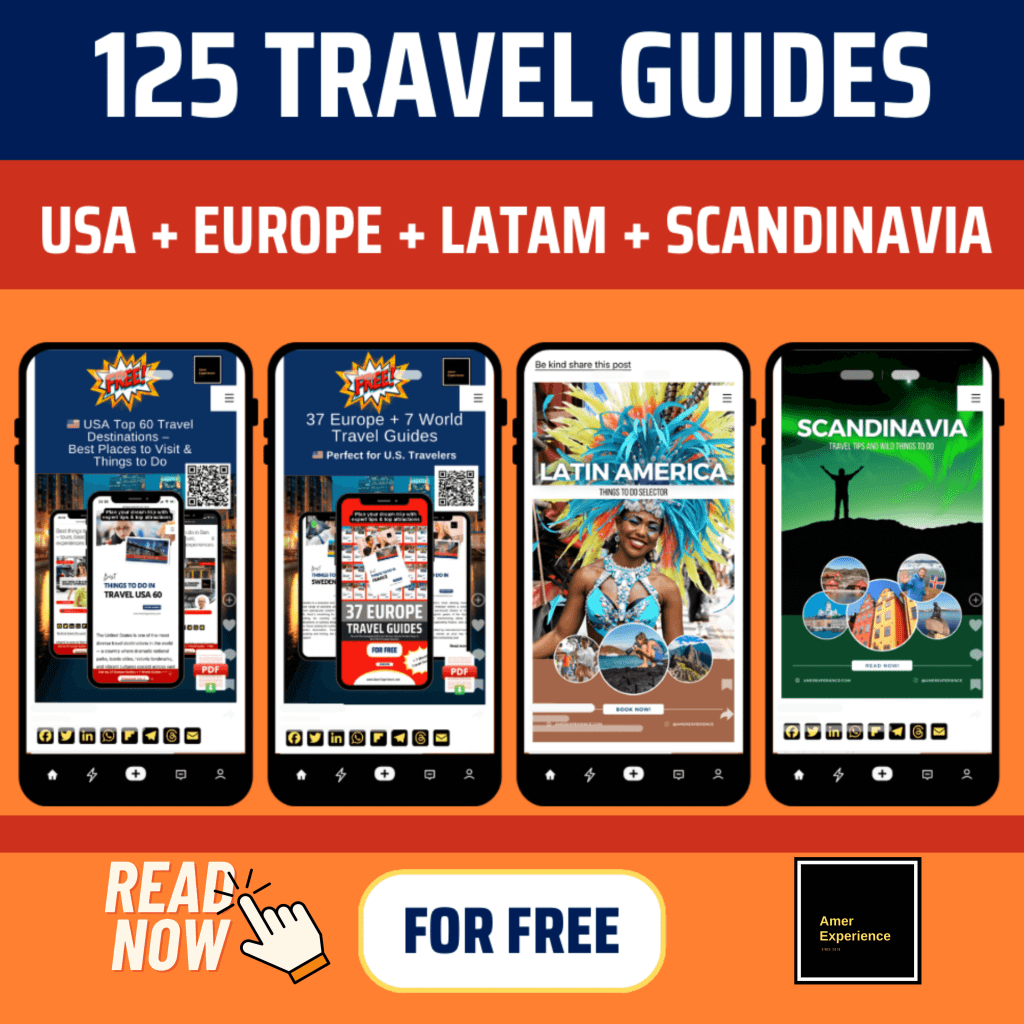
Curated by travel expert Lassi Pensikkala with 30+ years of experience – Instant PDF, no sign-up, no hidden costs

Download 125 Free Travel Guides
60 USA | 37 Europe | 20 Latin America | 5 Scandinavia | 3 World Destinations – 1.000+ Pages of Expert Tips For Best Things To Do In The Above Destinations.
Get it now – it’s free!
Geography and Landscape:
Lithuania’s geography is characterized by gently rolling hills, numerous lakes, and dense forests, creating a picturesque setting. The Curonian Spit, a UNESCO World Heritage site, extends along the coast of the Baltic Sea, offering pristine sand dunes and serene beaches. The country’s landscape is further adorned by the Nemunas River, the largest in Lithuania, and numerous national parks that showcase its commitment to preserving natural beauty.
History:
Lithuania’s history is a narrative of resilience, cultural identity, and a quest for independence. The Grand Duchy of Lithuania, established in the 13th century, grew into one of the largest and most powerful states in Europe through strategic alliances and military prowess.
The Union of Lublin in 1569 marked the formation of the Polish-Lithuanian Commonwealth, a significant chapter in Lithuania’s history. The subsequent centuries saw Lithuania endure periods of foreign rule, including Russian, German, and Polish dominion.
The 20th century brought both triumph and tribulation. Lithuania declared its independence in 1918, becoming one of the Baltic States. However, this newfound sovereignty was short-lived, as the country faced Soviet occupation in 1940, followed by Nazi occupation during World War II, and then another period of Soviet rule.
Lithuania’s journey to independence gained momentum in the late 1980s with the rise of the Sąjūdis movement, culminating in the restoration of Lithuania’s independence on March 11, 1990. This pivotal moment marked the first official act of secession from the Soviet Union, inspiring other nations to follow suit.
Culture:
Lithuania’s cultural identity is deeply rooted in its language, traditions, and arts. The Lithuanian language, one of the oldest living Indo-European languages, serves as a symbol of national unity. Traditional folk music, characterized by multipart songs called “sutartinės,” reflects the soulful melodies and storytelling embedded in Lithuanian culture.
The country boasts a rich tradition of visual arts, with folk art, wooden sculptures, and intricate textile crafts representing the creativity of its people. Vilnius, the capital, is renowned for its Baroque and Gothic architecture, with the Old Town recognized as a UNESCO World Heritage site.
Literature holds a special place in Lithuanian culture, with poets and writers contributing to the nation’s literary tapestry. Notable figures like Kristijonas Donelaitis and Vincas Krėvė-Mickevičius have left an indelible mark on Lithuanian literature.
Religion:
Lithuania has a diverse religious landscape, shaped by centuries of cultural influences. The dominant religion is Roman Catholicism, and the country takes pride in its Catholic heritage. The Hill of Crosses, a pilgrimage site near Šiauliai, is a poignant testament to the resilience of Lithuanian Catholicism, having withstood both Nazi and Soviet oppression.
Traditional pagan rituals, rooted in the ancient Baltic beliefs, have also left their mark. Joninės, or Rasos, is a midsummer celebration that combines Christian and pagan elements, emphasizing the interconnectedness of nature and spirituality.
Economy:
Lithuania’s economy has undergone significant transformations since gaining independence. The country embraced market reforms, attracting foreign investment and fostering economic growth. Today, Lithuania has a well-diversified economy, with key sectors including information technology, manufacturing, and services.
Vilnius, the capital, has emerged as a hub for technology and innovation, earning the nickname “The G-Spot of Europe” for its dynamic startup ecosystem. The country’s strategic location as a gateway between Eastern and Western Europe enhances its role in regional trade and logistics.
Language and Education:
The Lithuanian language, considered one of the most archaic Indo-European languages, is a source of national pride and linguistic uniqueness. Despite historical challenges, including periods of Russification and Polonization, Lithuanians have safeguarded their language as a symbol of cultural identity.
Education holds a prominent place in Lithuanian society. The country has a strong tradition of academic excellence, with Vilnius University, founded in 1579, being one of the oldest universities in the region. Lithuania’s commitment to education is reflected in its literacy rates and the emphasis placed on preserving the national language within the educational curriculum.
Festivals and Traditions:
Lithuania’s calendar is dotted with vibrant festivals and traditions, each reflecting the changing seasons and cultural heritage. Užgavėnės, a pre-Lenten festival, is marked by lively masquerades, music, and the indulgence in traditional dishes like pancakes and doughnuts.
Joninės, celebrated around the summer solstice, involves bonfires, singing, and weaving flower crowns. This festival is a harmonious blend of ancient pagan rituals and Christian traditions.
Rasos, or Midsummer Day, is a time of bonfires, wreath-making, and joyous gatherings. It is a celebration of nature’s abundance and the interconnectedness of life.
Cuisine:
Lithuanian cuisine is a delightful fusion of hearty flavors and locally sourced ingredients. Dark rye bread, often referred to as “Juoda Duona,” holds a special place on the Lithuanian table. Cepelinai, potato dumplings stuffed with meat or cheese, are a beloved traditional dish, showcasing the culinary creativity born out of resourcefulness.
The rich agricultural landscape contributes to a variety of dairy products, including creamy cheeses and curd desserts. Local fish, mushrooms, and berries also play a significant role in Lithuanian gastronomy.
Nature and Outdoor Activities:
Lithuania’s commitment to preserving its natural beauty is evident in its numerous national parks, pristine lakes, and dense forests. The Curonian Spit, a UNESCO World Heritage site, offers serene beaches and unique sand dunes. Aukštaitija National Park, with its network of lakes, is a haven for nature enthusiasts and kayakers.
The country’s flat terrain makes it ideal for cycling enthusiasts, with well-maintained cycling routes providing an opportunity to explore the landscapes at a leisurely pace. Lithuania’s commitment to sustainable tourism aligns with its efforts to protect and showcase its natural treasures.
Global Recognition and Diplomacy:
Lithuania has actively engaged in global affairs, contributing to international peace and cooperation. The country is a member of the European Union, NATO, and various other international organizations. Lithuania’s diplomatic efforts focus on promoting democracy, human rights, and regional stability.
The Baltic Way, a peaceful demonstration in 1989 that involved citizens of Estonia, Latvia, and Lithuania forming a human chain to protest Soviet rule, remains a powerful symbol of solidarity and nonviolent resistance. This event garnered international attention and contributed to the eventual restoration of Lithuania’s independence.
My conclusion:
Lithuania, with its resilient spirit, cultural richness, and commitment to progress, stands as a testament to the enduring strength of its people. From the medieval charm of Vilnius to the pristine landscapes of national parks, Lithuania offers a mosaic of experiences for those seeking history, culture, and natural beauty.
As the country continues to shape its future, it embraces both its past and the promise of what lies ahead. Lithuania, with its warm hospitality, unique traditions, and dynamic contributions to various fields, beckons travelers and admirers to explore its captivating tapestry – a tapestry woven with threads of history, culture, and the boundless spirit of a nation that has overcome challenges and emerged resilient and proud.
Discover More Things To Do In Vilnius Lithuania!
The Best Travel Destination Tool
345,000+ Things to Do • Millions of Reviews • Lowest Price Guarantee • 24/7 Global Support
”With more than 30 years of experience in the International Travel Business, I am convinced it is easier to get there to your travel destination than to find Amazing Experiences and Activities Wherever You Go.
Amer Experience Travel Insider Magazine – Things To Do Activities Worldwide
Amer Experience Travel Things To Do Activities Worldwide
Travel Things To Do In Travel Destinations
Scandinavia TOP 10 Things To Do
New York City TOP 10 Things To Do
Para mis amigos viajeros de España y America Latina (ESP) 🇪🇸
Aunque soy un profesional de viajes con mi propio negocio en la gestión de turismo receptivo y consultoria de destinos, uso internet y las redes sociales para buscar tours y actividades para mi familia cuando viajamos. En los últimos diez años, la industria de viajes ha cambiado por completo y esto se debe al internet, las redes sociales y las reservas en líneas son las herramientas que todos utilizan. La pregunta es dónde encontrar las mejores cosas para hacer en un destino turístico y cómo reservarlas?
La herramienta de reservas Viator que utilizamos en nuestro sitio web AmerExperience.com/Travel es parte de Tripadvisor, la plataforma de viajes más grande del mundo. Explore cientos de millones de reseñas y opiniones de viajeros. Tiene la mejor oferta, los precios más bajos y soporte global 24/7. Es por eso que elegimos Viator y te recomendamos para reservas seguras y fácil de usar. Pruébalo ahora!
Atentamente
Economista Lassi Pensikkala
Advertisement
This web site contains links and affiliate links to other web sites (as affiliate partner we get commissions paid for the sales made by these web sites). Some of those web sites may be operated by third parties. As an Amazon Associate we earn from qualifying purchases.
Privacy statement / Affiliatelinks
Find more curated travel experiences and book safely with trusted partners on our Travel Hub → AmerExperience Travel Hub