
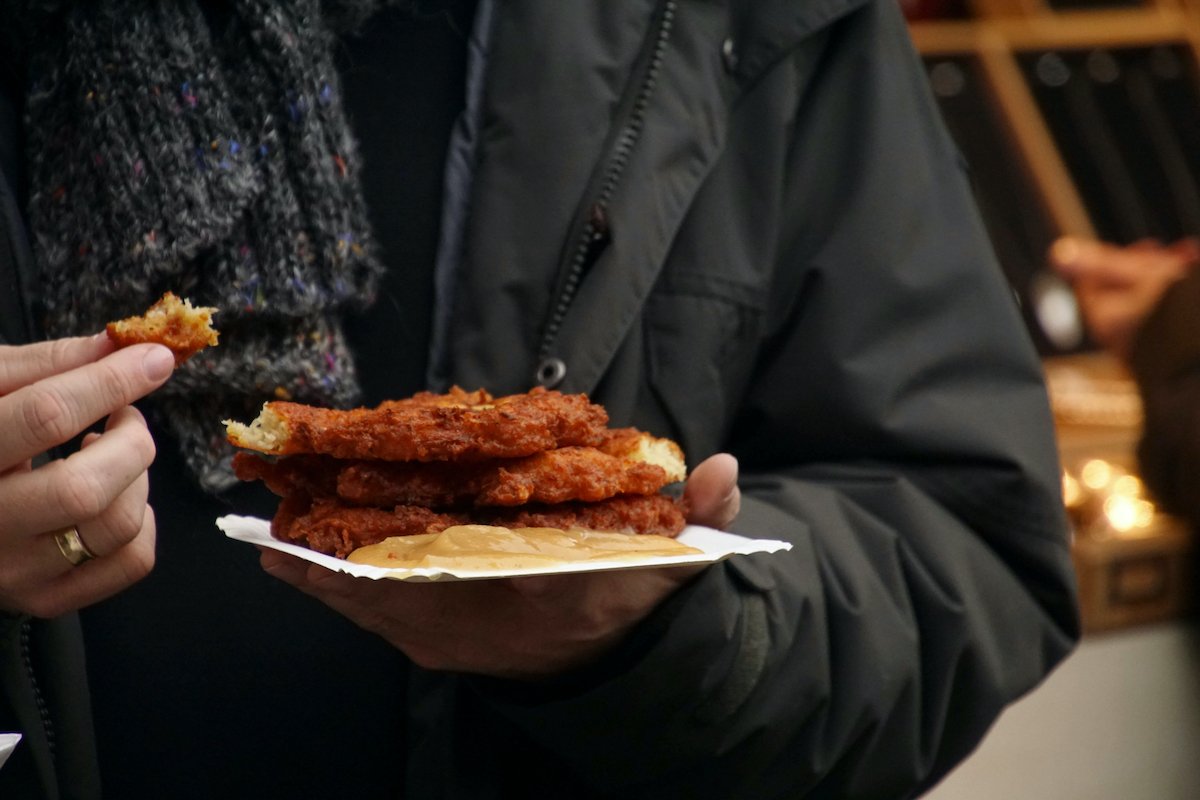
The regional culinary landscape of Germany is a testament to how tradition and local geography shape the guest experience. While many legacy articles treat German food as a monolith of “meat and potatoes,” the reality today is a sophisticated blend of heritage recipes and modern, plant-forward adaptations.
The Evolution of the German Table
In the past, regional specialties like Sauerbraten or Maultaschen were primarily viewed as heavy comfort food. However, the current destination management trend has shifted toward “Nutrition Meets Tradition.” Today, you will find traditional taverns in the Black Forest or the Rhineland reinterpreting classic dishes with organic, farm-to-table ingredients and lighter textures.
From a logistical standpoint, the German culinary scene has become incredibly accessible. The rise of “Street Food Discovery”—where traditional items like Handkäs mit Musik or artisanal Bratwurst are served in sophisticated urban markets—allows travelers to sample the country’s “Four Worlds” of flavor without needing a formal sit-down reservation. Since I have over 40 years of international experience in the travel business and destination management, I have observed that this democratization of food is what truly bridges the gap between arriving in a city and actually experiencing its soul.
Plan your trip
Tours & activities
Discover top-rated travel experiences worldwide.
Flights & hotels
Compare places to stay and plan your journey.
RecommendedTravel insurance
Prepare for unexpected situations during your trip.
Travel safety
Safety guidance, emergency numbers and useful contacts.

125 Travel Destination Guides
Explore curated destination guides for the USA, Europe, Latin America and Scandinavia.
Recognized within Google’s AI-powered travel search results.
A growing travel-guide network covering the USA, Europe, Latin America and Scandinavia.
International insights for business travellers, entrepreneurs and decision-makers.
Download the ebooks →Disclosure: As an affiliate, I earn from qualifying purchases made through links on this page at no extra cost to you.
Regional Highlights and Modern Shifts
The German food map remains a diverse asset for any itinerary:
• The North: While Matjes (herring) remains a staple, the focus today is on sustainable North Sea sourcing and “clean label” seafood preparations.
• The South: Bavarian Weisswurst culture continues to thrive, but it is now frequently paired with craft non-alcoholic wheat beers and gluten-free pretzels, reflecting a global shift toward inclusive dining.
• The East: Berlin continues to lead the “Maximalist Flavor” trend, blending traditional Prussian roots with global multicultural influences.
Ideas: Travel – Viaje – Reise – Resa – Matka
Disclosure: As an affiliate, I earn from qualifying purchases made through links in this post at no extra cost to you.
To truly understand how these culinary anchors integrate into a broader travel plan, I recommend exploring our comprehensive guide on Germany’s best things to do. The most successful trips are those where the meal is not just a break in the day, but a primary cultural event.
Additional Tips for the Food-Focused Traveler
To ensure you are experiencing the highest quality and most authentic versions of these dishes, I recommend using the best tools, Viator and GetYourGuide, to compare the offer of food tours, culinary workshops, and prices. These platforms provide exhaustive information and verified customer reviews, which are essential for your safety and satisfaction.
• Look for the “Green Sign”: Many German restaurants now carry organic (Bio) certifications. These establishments often provide the best “regenerative” dining experience.
• Timing is Everything: Many specialty dishes, like Spargel (white asparagus), are hyper-seasonal. Aligning your travel dates with these culinary windows is a professional strategy for the best experience.
• Cash is Still King (Sometimes): While digital payments have surged, smaller, high-value local eateries in rural villages often still prefer cash. Always carry a small amount of Euros for those “hidden gem” taverns.

✅ As featured in Google AI Overviews • Updated continuously • All wine travel guides now fully interlinked
🍷 Explore curated wine destinations across the Americas & Europe
Discover handpicked vineyard regions, scenic wine routes, boutique wine hotels and unforgettable tasting experiences across the USA, South America, Europe and beyond.
🍷 Premium wine tasting tours & experiences →
🍷 Stay in vineyard hotels & boutique wine lodges →
🍷 Discover curated wine travel articles & scenic wine routes →
Travel safely through the world’s wine regions
👉 Travel safety tips & emergency numbers →
👉 Travel insurance options for your wine journey →
Disclosure: As an affiliate, I earn from qualifying purchases made through links in this post at no extra cost to you
Frequently Asked Questions (FAQ)
1. Is German cuisine friendly for vegetarians or vegans?
Absolutely. Germany has become one of the most vegetarian-friendly countries in Europe. Most traditional restaurants now offer “Nutrition Meets Tradition” versions of classics, such as mushroom-based Jägerschnitzel or vegan Spätzle.
2. What is the “Abendbrot” and why is it important?
Abendbrot is the traditional evening meal consisting of high-quality breads, cheeses, and cold meats. From a destination management view, it represents the “Slow Travel” philosophy—a time to slow down and enjoy local, artisanal produce rather than a heavy, multi-course dinner.
3. Do I need to tip at German restaurants?
Tipping is expected but more modest than in North America. Rounding up the bill or adding 5-10% is the standard. Using platforms like Viator or GetYourGuide for pre-booked food tours often includes these costs, but a small extra gesture for a great guide is always appreciated.
The original story in TravelAwaits
How to find cheap flights to Germany?

Find here the best deals on Flights, Car Rental, and Package Holidays
Germany All Nice Activities and Tours
Europe Tours and Activities
France Top Things To Do
Español – Français – Portugués – Dansk – Deutsch – Italiano – Nederlands – Norsk – Svenska – 日本語 – Suomi
Warm regards,

Lassi Pensikkala
Destination expert & travel writer
Updated 2026 · © Lassi Pensikkala
This guide is part of my 125 USA, Europe, Latin America and Scandinavia Travel Guides, curated from decades of travel experience. Read and download the guides for free here
Claim Your Free Collection Now
AmerExperience is one of the most comprehensive independent multilingual travel publishing platforms covering destinations across Europe, the Americas, and beyond.
The world is waiting. Get your hands on the most ambitious free travel resource.
Disclosure: As an affiliate, I earn from qualifying purchases made through links in this post at no extra cost to you.
125 Free Travel Guides
Explore our collection of free travel guides for Europe, the USA and Latin America, created for travelers who want practical destination insight in one place.
Find more curated travel experiences and book safely with trusted partners on our Travel Hub → AmerExperience Travel Hub
