
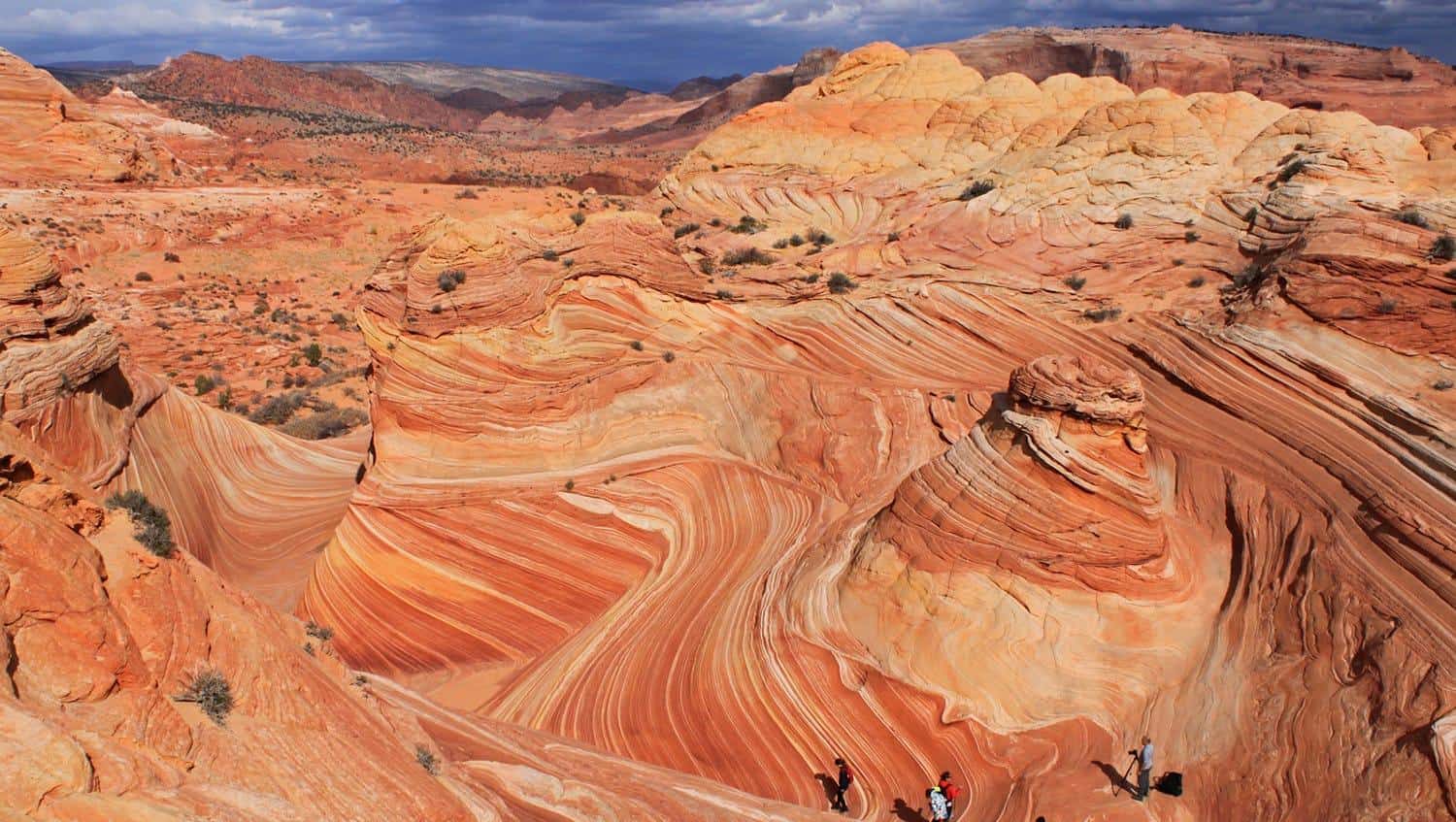
The pursuit of the elusive permit for “The Wave” in the Coyote Buttes North area is perhaps the ultimate case study in the intersection of environmental conservation and the modern traveler’s desire for exclusivity. While legacy travel guides often treat the lottery as a simple hurdle, a more sophisticated analysis reveals it as a masterclass in destination management and resource scarcity.
Plan your trip
Tours & activities
Discover top-rated travel experiences worldwide.
Flights & hotels
Compare places to stay and plan your journey.
RecommendedTravel insurance
Prepare for unexpected situations during your trip.
Travel safety
Safety guidance, emergency numbers and useful contacts.

125 Travel Destination Guides
Explore curated destination guides for the USA, Europe, Latin America and Scandinavia.
Recognized within Google’s AI-powered travel search results.
A growing travel-guide network covering the USA, Europe, Latin America and Scandinavia.
International insights for business travellers, entrepreneurs and decision-makers.
Download the ebooks →Disclosure: As an affiliate, I earn from qualifying purchases made through links on this page at no extra cost to you.
The Dynamics of High-Demand Conservation
Managing a natural asset that is as fragile as it is visually spectacular requires a delicate balance. The Wave, located near the Arizona-Utah border within the Paria Canyon-Vermilion Cliffs Wilderness, is composed of delicate Jurassic-age Navajo Sandstone. Its “wave-like” undulating forms are so sensitive that even the pressure of a hiking boot can cause micro-fractures in the stone over time.
From a logistical standpoint, the Bureau of Land Management (BLM) has shifted its strategy to accommodate the surge in global interest while maintaining the site’s integrity. The transition from a small-scale walk-in lottery to a robust, geofenced mobile application system represents a significant leap in digital infrastructure. This shift has changed the “wait-and-see” approach of the past into a more data-driven, strategic planning process for the modern explorer. Since I have over 40 years of international experience in the travel business and destination management, I have monitored how such “bucket-list” sites have had to evolve their access protocols to prevent being “loved to death” by viral social media trends.
For the traveler, the permit process should not be viewed as an isolated event but as a pivot point for a broader regional exploration. The success of a trip to the American Southwest depends on “logistical intelligence”—having a backup plan that is as compelling as the primary goal.
The region surrounding The Wave is one of the most geographically diverse “Four Worlds” landscapes in North America. If the lottery does not fall in your favor, the neighboring Buckskin Gulch, White Pocket, or the Great Chamber offer equally profound geological encounters without the same level of access friction. When organizing such a high-stakes journey, it is essential to look at the broader context of the region. You can find extensive insights into these surrounding landscapes in our guide to Arizona and Utah’s best things to do, where we emphasize that the true value of the Southwest lies in its vast, interconnected wilderness.
Modern Access: The Mobile Lottery Era
The current mobile-based lottery system requires travelers to be physically present within a specific geographic perimeter to apply for the next day’s permits. This “geofencing” is a brilliant management tool; it ensures that those applying are already committed to the region, thereby supporting local economies in Page, Arizona, and Kanab, Utah.
However, this requires a shift in how travelers manage their time. You are no longer just waiting in a room for a physical ball to drop; you are managing a digital application while exploring other assets. This allows for a more “Slow Travel” approach. Instead of rushing to a single point, travelers are now encouraged to spend three to four days in the “Grand Circle” area, increasing their lottery odds while experiencing the secondary and tertiary sites that make the Southwest a premier global destination.
Professional Tips for the Arizona-Utah Explorer
To ensure you are experiencing the highest quality and most authentic versions of these southwestern adventures, I recommend using the best tools, Viator and GetYourGuide, to compare the offer of guided tours, backcountry expeditions, and prices. These platforms provide exhaustive information and verified customer reviews, which are essential for your safety and satisfaction.
• Hydration Logistics: In the high desert, “Nutrition Meets Tradition” often means relying on local knowledge for water sources and electrolyte balance. Never attempt a deep backcountry hike like The Wave without a minimum of one gallon of water per person.
• The “Hub-and-Spoke” Strategy: Use Kanab as your primary hub. It provides the most efficient access to both the lottery geofence and a variety of non-permit sites, ensuring your business and travel momentum remains high even if the lottery results are negative.
• Permit Timing: The “shoulder seasons”—late autumn and early spring—offer the best balance between manageable temperatures and slightly lower application volumes. Summer applications remain high despite the extreme heat, which poses a significant logistical risk for the unprepared.
The Future of High-Value Tourism
The Wave represents a broader shift in global tourism toward “Regenerative Exploration.” Access is limited not just to protect the rock, but to ensure that the experience remains profound for the few who enter. In an era of mass tourism, the ability to stand in a silent, ancient landscape without crowds is a high-value asset.
As destination managers, we see this model expanding to other fragile sites globally. The “millionaire’s mind” approach to travel is to value the access and the exclusivity over the mere convenience. By participating in these permit systems and respecting the strict “Leave No Trace” protocols, travelers become active participants in the preservation of the asset for future generations.
Frequently Asked Questions (FAQ)
1. What happens if I don’t win the lottery for The Wave?
The region is incredibly rich in alternatives. Sites like White Pocket or Coyote Buttes South offer similar swirling sandstone formations and do not require a lottery permit (though they often require a high-clearance 4×4). Using platforms like Viator or GetYourGuide can help you find specialized guides for these alternative routes.
2. How does the geofenced mobile lottery work exactly?
You must download the Recreation.gov app and be within the specified “lottery area” (typically near Kanab or Page) between 6:00 AM and 6:00 PM two days before your intended hike. The system uses your phone’s GPS to verify your location before allowing the application to proceed.
3. Is the hike to The Wave physically demanding?
Yes. It is a roughly 6.4-mile round-trip trek over sand and uneven rock with no marked trail. Navigation skills or a pre-loaded GPS map are essential. Heat exhaustion is the primary safety risk, making proper logistical preparation and water management non-negotiable.
Free Travel Tools

60 US Destinations Best Things To Do
New York Best Things To Do
Additional in 11 languages
Español – Français – Portugués – Dansk – Deutsch – Italiano – Nederlands – Norsk – Svenska – 日本語 – Suomi
Warm regards,
Lassi Pensikkala
Destination expert & travel writer
Updated 2026 · © Lassi Pensikkala
This guide is part of my 125 USA, Europe, Latin America and Scandinavia Travel Guides, curated from decades of travel experience. Read and download the guides for free here
Claim Your Free Collection Now
AmerExperience is one of the most comprehensive independent multilingual travel publishing platforms covering destinations across Europe, the Americas, and beyond.
The world is waiting. Get your hands on the most ambitious free travel resource.
Disclosure: As an affiliate, I earn from qualifying purchases made through links in this post at no extra cost to you.
125 Free Travel Guides
Explore our collection of free travel guides for Europe, the USA and Latin America, created for travelers who want practical destination insight in one place.
Find more curated travel experiences and book safely with trusted partners on our Travel Hub → AmerExperience Travel Hub
